
Kiln-dried logs have become the gold standard for wood-burning stoves and open fires, but not all kiln-dried logs are created equal. Before buying, it helps to understand what you’re paying for. This guide explains what kiln-dried logs are, why moisture content matters, whether they’re worth the price, and what to look for when shopping for Kiln-Dried Logs for Sale – What You Need to Know Before You Buy.
The rise of kiln-dried logs
If you’re planning to heat your home efficiently this winter, kiln-dried logs are a compelling option. They burn hotter, cleaner, and more predictably than seasoned or green wood. Yet, buyers often encounter a wide range of prices, branding, and moisture claims. Understanding the basics and the finer details can help you make an informed choice and avoid overpaying for logs that don’t deliver the performance you expect. In this post, we’ll cover the essentials of Kiln-Dried Logs for Sale – What You Need to Know Before You Buy, with practical tips to help you shop smarter.
What are kiln-dried logs?
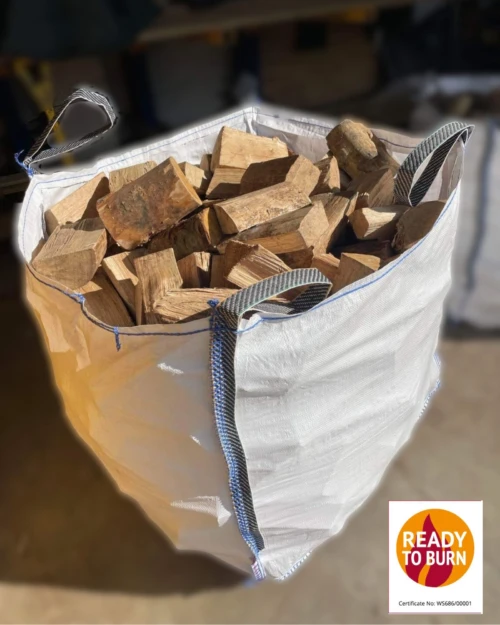
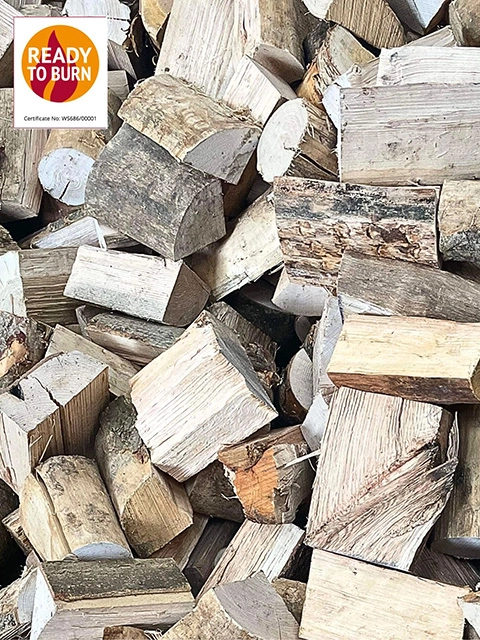
Kiln-dried logs are timber that has been dried in a controlled environment to reduce moisture content to below 20%. The drying process typically uses a wood-fired or electric kiln to push water out of the wood, followed by careful conditioning to prevent cracking or warping. The result is a consistently low moisture content that meets or exceeds UK wood fuel regulations, making them Ready to Burn immediately without an overnight wait or excessive seasoning.
Key points –
- Controlled environment – Precise temperature, humidity, and airflow ensure uniform drying.
- Moisture content – Target below 20%, with some suppliers aiming for 18-20% for optimal performance.
- Readiness to burn – Minimal moisture means faster ignition and less heat wasted on boiling off water.
Why moisture content matters
Moisture content has a direct impact on how efficiently your fire burns and how much maintenance it requires. Low-moisture logs delivered tangible benefits –
- Burn hotter and longer – Dry wood contains less energy spent evaporating water, so more of the fuel’s energy goes into heat.
- Produce more usable heat – A consistent burn rate translates into steadier heat output, helping to heat rooms more effectively.
- Create less smoke and soot – Dry wood combusts more cleanly, reducing visible smoke and smoky residues.
- Reduce tar build-up in chimneys – Cleaner combustion lowers the risk of tar and creosote formation, which can foul flues and increase chimney fire risk.
- Wet logs waste energy – When logs are not sufficiently dry, the energy used to boil off water is energy that never becomes heat for your home.
If you’ve ever loaded damp wood into a fire, you’ll recall the struggle – slower ignition, more smoke, and a damp, cold room. Kiln-dried logs mitigate these issues by delivering a reliable burn from the moment you light them.
Are kiln-dried logs worth the price?
Cost considerations are a common point of discussion. Kiln-dried logs may have a higher upfront price per bag or cube, but they often represent better value over a season.
- Efficiency – Because they burn hotter and longer, you may use fewer logs to achieve the same warmth.
- Consistent heat – Predictable performance means you can plan for a steadier home temperature and reduce waste.
- Convenience – No long curing times or waiting for logs to season; immediate usability saves time and effort.
- Maintenance savings – Cleaner combustion lowers chimney cleaning frequency and insurance concerns tied to creosote buildup.
In many cases, Kiln-Dried logs for sale – What You Need to Know Before You Buy. You’ll find that the cost-per-heat unit is lower with kiln-dried options, especially if you burn frequently or rely on wood as your primary heat source.
That said, price is not the only factor. It’s important to assess the overall value – moisture content accuracy, storage conditions, and the supplier’s consistency.
What to look for when buying kiln-dried logs
When choosing kiln-dried logs for sale, always check several key indicators to ensure you’re getting a genuine, high-quality product –
- Clear moisture content information – Look for a stated moisture percentage, ideally 18-20%, and a heat-rated specification if possible. Reputable suppliers provide transparency rather than vague claims.
- Hardwood varieties for longer burn time – Hardwoods (such as oak, ash, beech) typically burn longer and hotter than softwoods, contributing to more efficient heating per log.
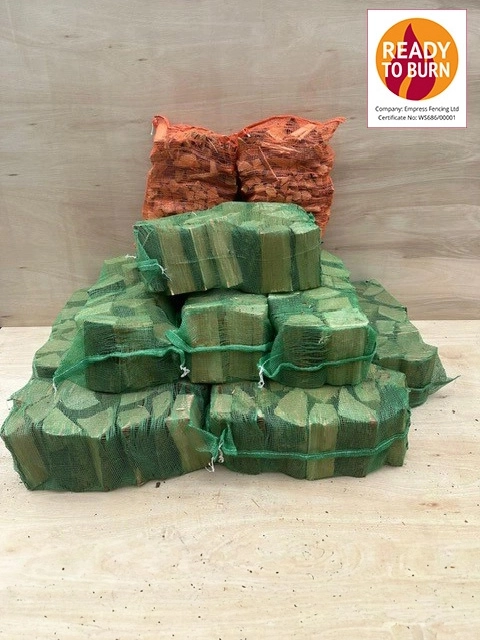
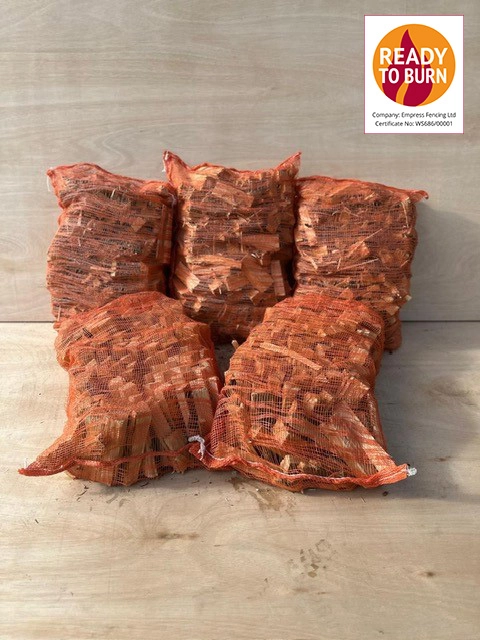
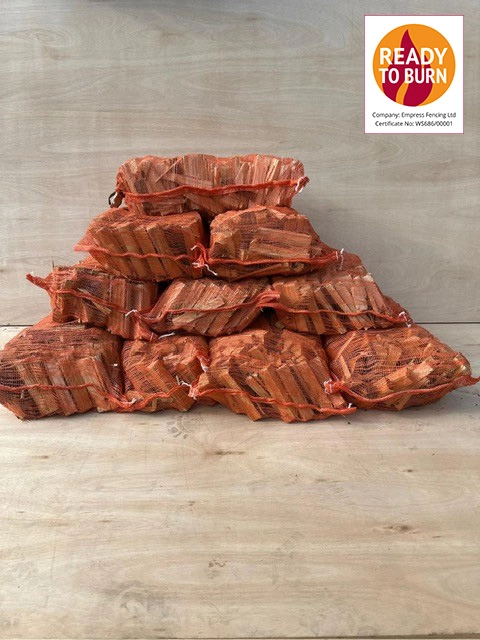
- Proper storage and packaging – Logs should be well-bagged or palletised to protect them from rain and humidity. Good packaging reduces moisture pickup and maintains burn quality.
- Local supplier reliability – Buying from a trusted local supplier helps ensure consistency with every delivery. Local sourcing reduces transport moisture exposure and supports faster replacement if a batch is off.
- Certification and regulation compliance – Look for compliance with UK wood fuel regulations and any third-party certifications that attest to moisture content and drying standards.
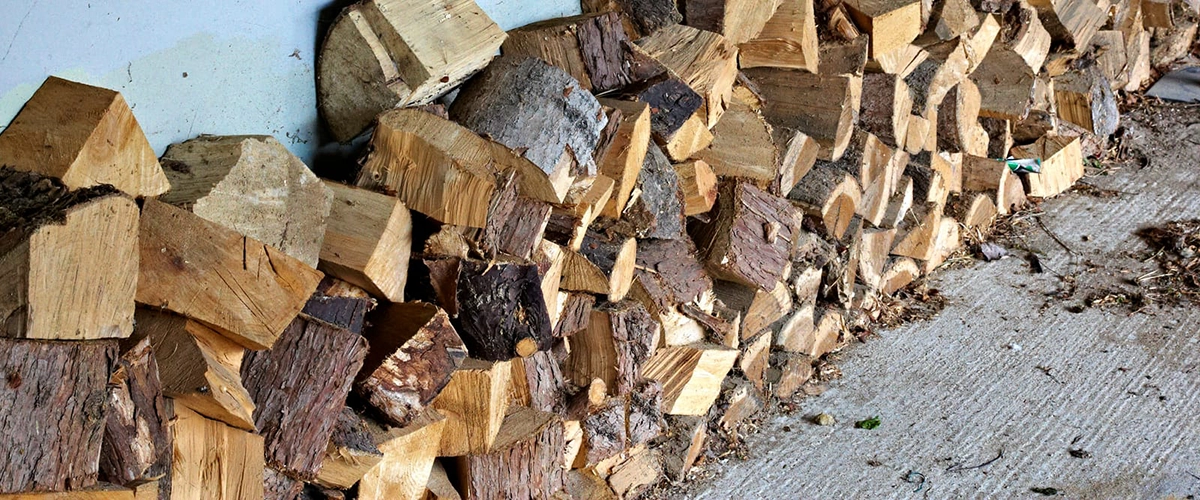
- Visual cues – Logs should be dry to the touch, not damp, and often have a light, pale colour with visible ring structure. Cracking on the ends can indicate dryness, but overly brittle logs may indicate over-drying.
Stocking up offers and delivery perks –
- Some suppliers offer free local delivery on orders over a threshold (for example, across BB postcode areas). If you burn heavily through winter, planning ahead and qualifying for delivery deals can save money and make logistics easier.
Storage and handling tips for kiln-dried logs
To maintain the benefits of kiln-dried logs, proper storage is essential –
- Store in a dry, sheltered area – Keep logs off the ground on a pallet or rack to allow air circulation and reduce moisture uptake.
- Stack wisely – A well-ventilated stack allows even drying and reduces the risk of mould growth on humid days.
- Cover appropriately – Protect the logs from rain while ensuring airflow. A breathable cover is preferable to a fully sealed plastic.
- Rotate stock – Use a first-in, first-out approach to ensure older logs are burned first, maintaining consistent performance.
If you’re investing in Kiln-Dried Logs for Sale – What You Need to Know Before You Buy, a little attention to storage will preserve quality and prevent waste.
Kiln-dried logs represent a reliable, efficient, and cleaner way to heat your home. They offer distinct advantages in ignition speed, heat output, and reduced creosote buildup, making them a preferred choice for many households with wood-burning stoves or open fires. While the upfront cost can be higher, the value per burn often justifies the investment through better heat delivery and fewer logs required over a season.
When shopping, prioritise transparent moisture content information, prefer hardwood varieties for longer burn times, and ensure proper storage and packaging. Buying from a trusted local supplier helps guarantee consistency with every delivery, and taking advantage of delivery perks can offer practical savings. With Kiln-Dried Logs for Sale – What You Need to Know Before You Buy in mind, you’ll be well-equipped to choose logs that meet your heating needs, fit your budget, and keep your home warm and cosy throughout the colder months.
For logs for sale Blackburn, logs for sale Burnley, logs for sale Darwen, logs for sale Rossendale, logs for sale Accrington, logs for sale Colne, logs for sale Nelson or logs for sale Clitheroe order online below.