
As the temperature falls and homes seal up tighter to keep warmth inside, the efficiency and reliability of your heating become more important than ever. Not all firewood is created equal, especially in winter. This is where kiln-dried logs really stand out. With controlled moisture levels and cleaner burning properties, kiln-dried logs delivered offer a dependable source of warmth when you need it most. In this post, we’ll explore why logs for sale in cold weather perform better, and how kiln-dried logs can make winter evenings more comfortable and hassle-free.
Why winter lighting and burning conditions matter
Cold air highlights moisture problems. In winter, outdoor humidity and indoor moisture from cooking, showers, and damp clothing can interact with the wood you burn. Logs with higher moisture content become harder to light and keep burning. Wet or damp wood produces smoke, odours, and a less stable flame. This makes starting fires more effortful and often results in inconsistent heat output.
Additionally, in sealed or tightly insulated homes, the consequences of poor quality logs are magnified. When the wood isn’t dry enough, you’ll notice more creosote buildup, increased soot, and more frequent relighting attempts. The overall experience becomes frustrating – you want reliable heat, not a fiddly exercise in coaxing a flame to life.
What distinguishes kiln-dried logs
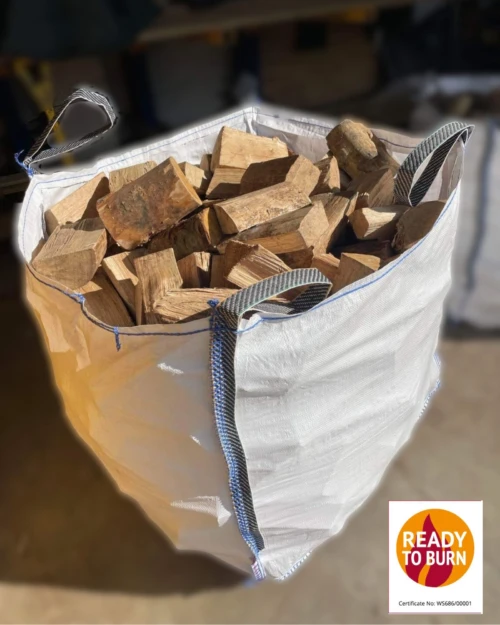
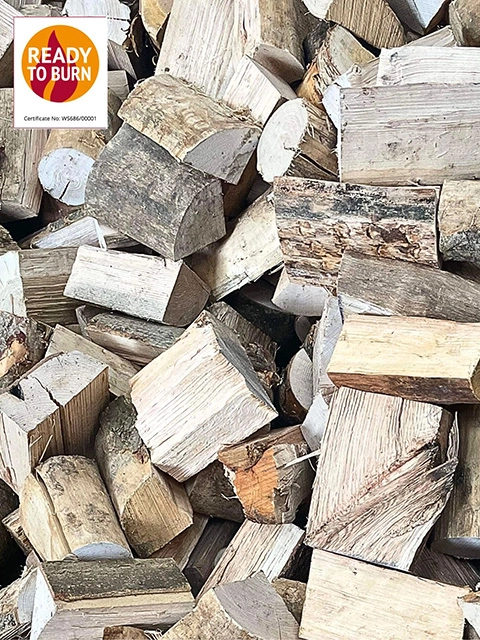
Kiln-dried logs are produced through a controlled drying process that reduces moisture to a consistent, low level. This creates a product that lights easily and burns with sustained, strong heat. The key advantages include –
- Low and consistent moisture – Kiln-dried logs typically have a moisture content around 15% or lower, depending on the product and standards. This makes ignition quicker and more dependable.
- Predictable performance – Because the moisture is controlled, you can expect a steady Ready to Burn rate and heat output, even on freezing days.
- Cleaner burn – Lower moisture means fewer particulates released into your living space, which translates to less smoke, fewer odours, and reduced soot build-up on walls, ceilings, and in vents.
- Reduced maintenance – With kiln-dried logs, you spend less time relighting fires and tending the flames, giving you more time to enjoy the warmth.
Dry wood vs damp wood – a practical comparison for cold weather
Logs for sale in cold weather may be tempting for short-term practicality or cost, but the performance gap becomes obvious when temperatures drop –
- Ignition – Damp logs can resist lighting and keep struggling to stay alight. Kiln-dried logs light readily and maintain a stable flame from the moment the fire is lit.
- Heat stability – Dry wood delivers a more consistent heat output. In winter, consistent warmth is crucial to maintaining a comfortable indoor environment and reducing the need for frequent adjustments to the fire.
- Smoke and odours – Wet wood tends to produce more smoke and stronger odours, which can be unsettling in enclosed spaces. Kiln-dried logs burn cleaner, contributing to a more pleasant living environment.
- Soot and creosote – Dry logs reduce creosote formation, helping to keep chimneys cleaner and safer over the season.
Cleaner burning in closed-up homes
During winter, homes are sealed more tightly to keep heat in. This increases the importance of clean-burning logs. Kiln-dried logs help reduce smoke, odours, and soot build-up indoors, which translates into better indoor air quality and easier maintenance of fireplaces and stoves. A cleaner burn also means fewer residue deposits on glass doors, which makes fires easier to monitor and enjoy.
Less effort, more heat – the practical payoff
With kiln-dried logs, you spend less time relighting fires and more time enjoying consistent warmth. The reliability of ignition and the steady flame make it easier to establish a comfortable heat baseline quickly. In busy households or households with children and pets, this reduced effort is particularly valuable. The time saved can be redirected toward warming moments with family, hot drinks, and relaxing evenings rather than dealing with stubborn logs.
Choosing the right kiln-dried logs for winter
When selecting logs for sale in cold weather, consider the following to maximise winter performance –
- Moisture content – Look for products with low moisture content, ideally in the mid-teens or lower. Confirm packaging specs or ask your supplier for a precise figure.
- Wood species – Some wood types burn longer and hotter than others. A mix of hardwoods (like oak, ash, or beech) can provide longer burn times, while softwoods can be excellent for quick starts.
- Sizing = Choose a combination of kindling and larger logs. Smaller pieces help ignition, while larger logs maintain heat for longer periods.
- Packaging and storage – Ensure logs are stored off the ground and protected from rain to maintain their dryness. Store them in a dry, well-ventilated area to prevent moisture uptake.
- Supplier reliability – Buy from reputable sellers who specialise in kiln-dried logs and can provide moisture content data and burn performance guidance.
Practical tips for using kiln-dried logs in winter
- Light with intention – Start with dry kindling and two or three small kiln-dried logs to establish a robust initial flame. Then add larger pieces to build a steady burn.
- Moisture management – Even kiln-dried logs can absorb moisture if stored damp. Keep logs covered or inside a dry storage area during wet spells.
- Temperature awareness – In very cold climates, pre-warm the room by running airflow gently or placing the stove door slightly ajar to avoid chilling drafts that hamper ignition.
- Stove efficiency – Ensure your stove or fireplace is properly tuned and cleaned before winter usage to optimise the clean-burning properties of kiln-dried logs.
For reliable winter performance, kiln-dried logs are the clear choice. The combination of low, controlled moisture, easy ignition, and cleaner burning makes them a practical option for homes in freezing weather. In contrast, damp or poorly stored logs can undermine warmth, comfort, and indoor air quality when temperatures drop. If you’re looking for logs for sale in cold weather, prioritise kiln-dried options to achieve consistent heat with less effort, fewer smoke issues, and a more pleasant winter living environment. Choosing kiln-dried logs isn’t just about warmth, it’s about reliable, efficient, and cleaner heating during the cold months.
For logs for sale Blackburn, logs for sale Burnley, logs for sale Darwen, logs for sale Rossendale, logs for sale Accrington, logs for sale Colne, logs for sale Nelson or logs for sale Clitheroe order online below.