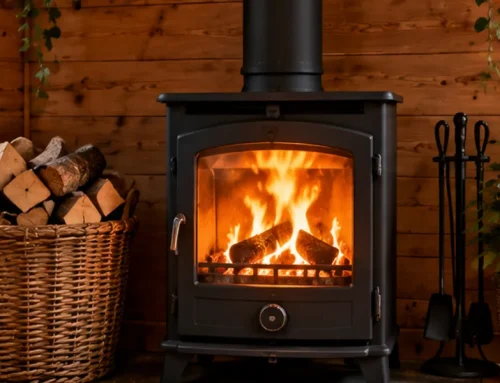

Chimney maintenance is a fact of life for anyone using firewood, but the type of logs you burn has a big impact on how often sweeping is needed. In particular, wet logs create more deposits, while high-moisture logs produce tar and creosote, increasing build-up inside chimneys and flues. Cleaner burning means less build-up, and dry, properly prepared logs burn cleanly, leaving less soot and reducing the risk of blockages. This, in turn, leads to lower maintenance costs, better safety, and overall protection for your stove, chimney, and home. In this post, we’ll explore how choosing quality logs can make a real difference for both you and your chimney sweeps.
The invisible work that keeps the fire safe
Many homeowners focus on the warmth and ambience an open fire or wood-burning stove provides, but few consider the downstream effects of log quality. The chimney sweep’s job is to remove creosote and other deposits that accumulate over time. The frequency and ease of that work are heavily influenced by what you burn. By opting for quality logs delivered, you can reduce the need for aggressive sweeping and keep your flue safer and more efficient.
How log quality affects chimney deposits
- Wet logs and moisture content – Logs with high moisture content release more water vapor when burned. This water vapor condenses on cooler surfaces inside the chimney, mixing with particulates to form creosote, a sticky, flammable substance that coats the chimney lining.
- Tar formation – High-moisture logs also promote tar formation, which adheres to the inside of flues and makes future cleaning more challenging. Tar is particularly stubborn and can reduce airflow if left unchecked.
- Soot and particulates – Dry, well-seasoned logs burn hotter and cleaner, producing less soot and fewer resinous by-products.
In short, the moisture level of the logs you burn has a direct correlation with how much debris a chimney sweep will encounter and how often interventions are required.
Cleaner burning means less build-up
Dry, properly prepared logs burn cleanly, leaving less soot and reducing the risk of blockages. The benefits are twofold –
- Fewer deposits – Clean-burning logs mean less creosote and tar accumulating in the flue, which translates to fewer cleaning cycles and simpler maintenance.
- Better airflow – When the chimney is free from heavy creosote and tar layers, draft improves, ensuring your stove operates efficiently and safely.
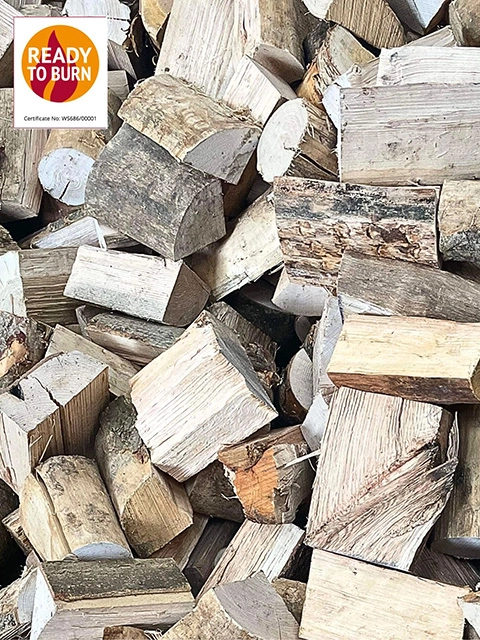
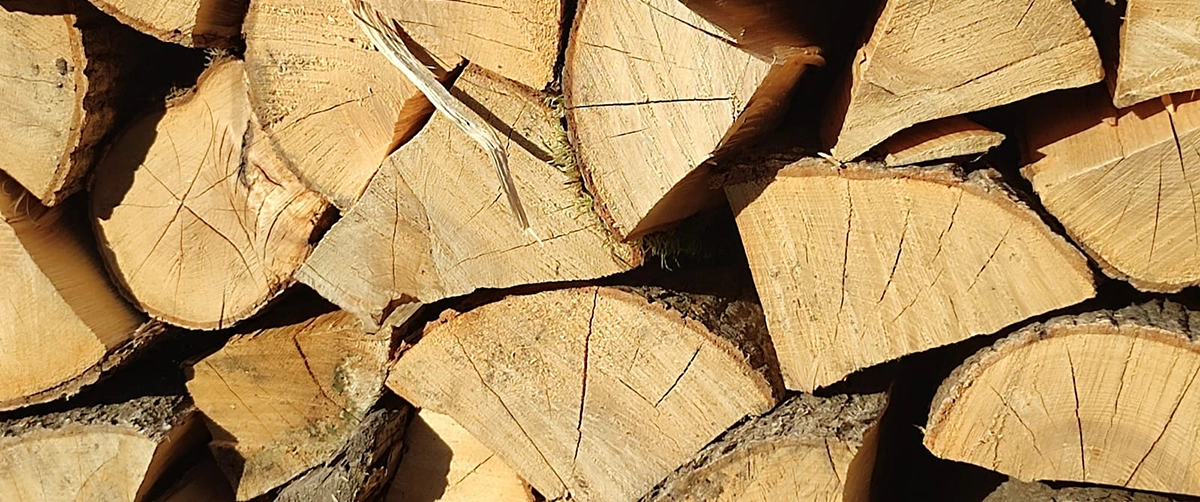
To maximize clean combustion, consider seasoning your wood properly, choosing appropriate species, and ensuring your logs are stored in a dry, ventilated space for several months before burning.
Lower maintenance costs and easier sweeping
Cleaner chimneys mean fewer problems, easier sweeping, and improved stove efficiency. Here’s why that matters –
- Reduced cleaning frequency – If your logs burn cleanly, your chimney sweep will spend less time scrubbing stubborn deposits, and you’ll pay less for routine visits over the year.
- Easier access and safety – When there’s less buildup, sweeping tools can move more freely, reducing the risk of mishaps and making inspections quicker and more thorough.
- Efficiency gains – A cleaner flue supports better draft, which can improve heat output and reduce fuel usage, giving you more warmth for less wood.
Choosing quality logs is a simple step that pays dividends in reduced maintenance workload and cost over time.
Safety first – reducing creosote build-up lowers fire risk
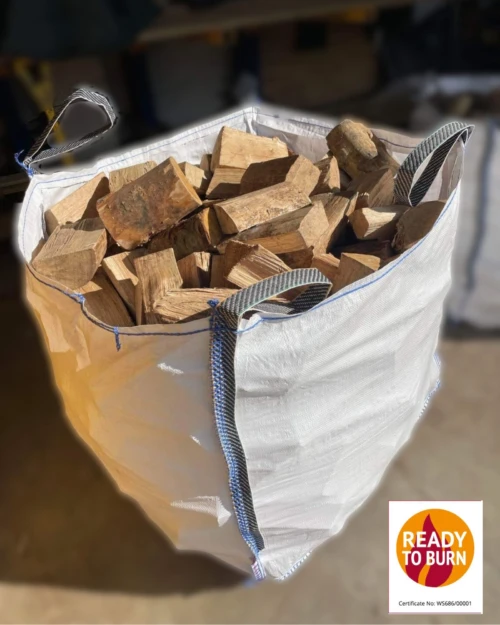
Creosote buildup is not just an inconvenience; it poses a significant fire hazard. Spent creosote is highly combustible, and a dense, hot chimney can ignite it, leading to dangerous chimney fires. By using quality logs that Ready to Burn cleanly, you minimize creosote formation, which –
- Lowers fire risk – Less creosote means a smaller fuel source for potential chimney fires.
- Improves detection – Regular inspections are more effective when there isn’t a thick coating of deposits masking the flue’s condition.
- Supports safer operation – Efficient burning reduces soot accumulation and helps maintain consistent, safer temperatures within the stove.
Safety cannot be overstated, and the choice of logs is a foundational part of a responsible, fire-safe home.
Quality logs protect your stove, chimney, and home
Quality logs are an investment in the longevity of your heating system. By prioritising logs with appropriate moisture content, proper seasoning, and good storage practices, you protect –
- Your stove – Cleaner burning reduces ash and residue, which can clog feeds or vents and cause overheating.
- Your chimney – Less creosote and tar means fewer corrosive deposits, extending the life of liners and brickwork.
- Your home – Efficient burning means more consistent heat with lower energy waste, and a reduced risk of chimney-related incidents.
Quality logs also support more predictable performance from your heating system, which is comforting for households relying on wood as a primary heat source.
Practical tips for using quality logs
- Check moisture content – Use a moisture meter or purchase logs for salewith a guaranteed moisture content suitable for your stove or fireplace. Aim for seasoned wood with a moisture content around 20% or lower, depending on your stove’s guidelines.
- Store properly – Keep logs in a dry, ventilated area off the ground. Stack them with good air circulation to encourage even drying.
- Choose the right wood – Hardwoods like oak, ash, or beech tend to burn longer and hotter with less creosote buildup compared to many softwoods when not seasoned properly. Balance your mix based on availability and your stove’s design.
- Avoid wetted or freshly cut wood – Do not burn green or wet wood; it will produce more deposits and smoky flames that irritate the chimney and living space.
Why Your Chimney Sweeps Will Thank You for Using Quality Logs is not just a catchy phrase, it reflects a practical truth. By choosing dry, properly prepared logs, you reduce creosote, tar, and soot buildup, which translates into lower maintenance costs, easier sweeping, and improved stove efficiency. You also enhance safety by diminishing the fire hazard associated with creosote accumulation. In short, quality logs protect your stove, chimney, and home.
If you’re serious about making chimney maintenance less burdensome, start with your log choice. Regularly have your chimney inspected, use appropriate fuels, and maintain a consistent burning routine. With these practices, you’ll enjoy warmer winters, fewer maintenance headaches, and peace of mind knowing that your chimney is in good working order.
For logs for sale Blackburn, logs for sale Burnley, logs for sale Darwen, logs for sale Rossendale, logs for sale Accrington, logs for sale Colne, logs for sale Nelson or logs for sale Clitheroe order online below.