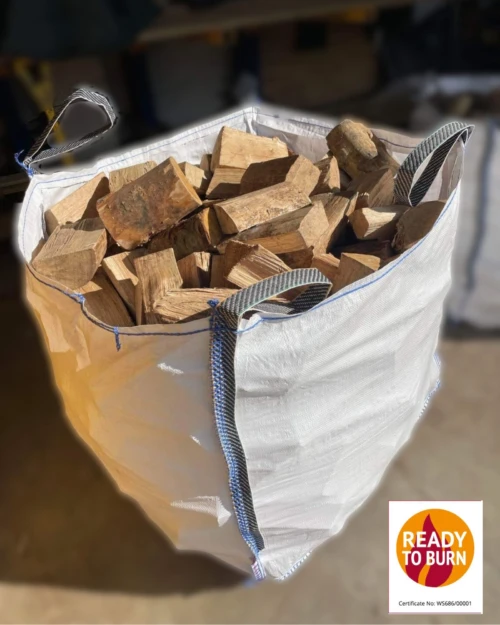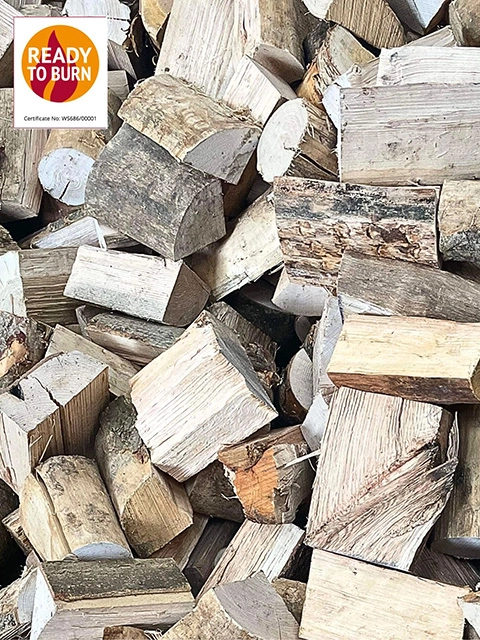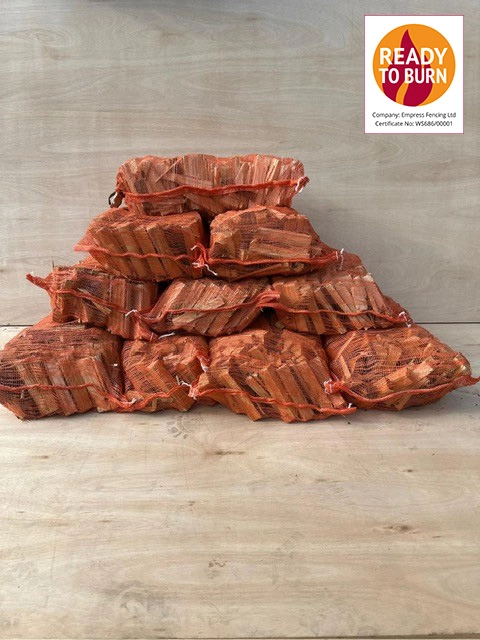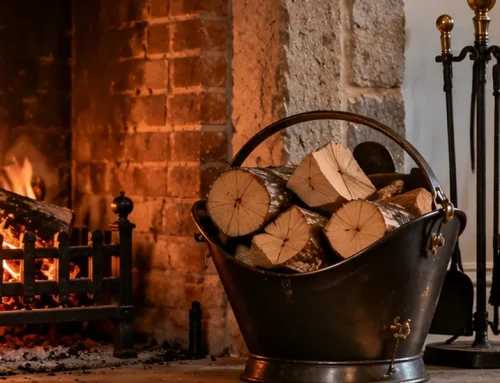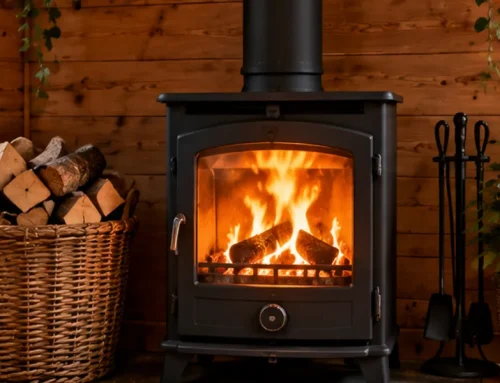


Winter can feel like a long, drawn-out season once the decorations come down. In January and February, the coldest months of the year, secure reliable log supplies becomes essential for keeping homes warm and comfortable. With colder temperatures, longer nights, and increased use of log burners, firewood stocks can disappear quickly. This is why many households choose to order early in January to avoid shortages, maintain consistent heating, and reduce reliance on expensive alternatives. In this guide, we’ll explore how to plan for January log supplies and why modern, clean-burning logs are a smart, responsible heating choice for homes across the United Kingdom.
Why January is the pivotal month for log supplies
January often marks the point at which heating demand peaks. Nights are longer, temperatures drop, and households rely more heavily on wood-burning stoves to keep living spaces warm. The demand surge can lead to supply gaps if orders are left until the last minute. By securing January log supplies early, you:
- Avoid shortages and ensure you have enough firewood to last through the coldest part of winter.
- Maintain consistent heating without juggling alternative fuels.
- Reduce reliance on more expensive heating options, such as electric heaters or gas, during peak price periods.
For many households, the simple act of planning ahead translates directly into resilience when the weather turns severe. If you’re searching for logs for sale in January, the best policy is to secure your winter supply today.
The benefits of properly seasoned or kiln-dried logs
Modern wood-burning stoves are designed to perform best with properly seasoned or kiln-dried logs delivered. These logs have lower moisture content, which means:
- They ignite more quickly and burn hotter, making your stove more efficient.
- They produce less creosote buildup, reducing the risk of chimney fires and the need for frequent cleaning.
- They emit fewer pollutants, aligning with clean-air guidelines and making them a responsible heating choice.
Seasoned or kiln-dried logs typically reach moisture contents in the range of around 15-20%, compared with green, unseasoned wood at 40-60%. This difference translates into a more stable heat output and an easier, cleaner burn. If you’re evaluating options in January, ask suppliers about the moisture content of their logs and whether they are kiln-dried or air-seasoned.
Modern wood-burning stoves and the role of high-quality fuel
Updating your heating strategy in January often means pairing your modern wood-burning stove with high-quality logs. Modern stoves are built to maximise efficiency and minimise emissions when fed with well-prepared fuel.
- Efficiency: Clean-burning logs help the stove reach and maintain higher heat output with less fuel.
- Emissions: Better logs reduce particulate matter and other pollutants, supporting broader clean-air objectives.
- Reliability: Consistent log quality ensures fewer interruptions in heating, especially on cold nights.
If you own a modern wood-burning stove, you’ll notice a tangible difference in performance when your logs are properly prepared. This is one reason why January log supplies are a popular choice: customers want to ensure reliable heat throughout the season while staying within environmental guidelines.
Flexible options for every household
Whether you need a small delivery to top up a weekly supply or a bulk order to last through several weeks of icy weather, trusted suppliers can tailor January log supplies to suit your usage. Flexible options include:
- Small bundles for apartments or compact living spaces.
- Regular weekly deliveries to maintain a steady stock without storage strain.
- Bulk orders for larger homes or properties with multiple stoves.
Storage considerations are also important. Keep logs in a dry, sheltered area off the ground to prevent moisture absorption. Stacking logs neatly and allowing for air circulation helps maintain their quality through the peak winter months.
Practical tips for securing logs in January
- Plan ahead: Estimate your monthly Ready to Burn rate and order accordingly to cover the coldest weeks.
- Ask about seasoning: Ensure the logs are either kiln-dried or well-seasoned, with a moisture content suitable for your stove.
- Verify delivery options: Some suppliers offer flexible delivery windows, which can be crucial during peak winter demand.
- Check storage space: Ensure you have enough dry storage to prevent dampness and mould.
If you’re currently searching for logs for sale in January, consider setting up a standing order with a trusted supplier. This minimises disruption and ensures you don’t run short during cold snaps.
Don’t let winter catch you short
The idea is simple: plan ahead, secure your January log supplies, and keep your log burner a reliable source of heat throughout the season. By choosing high-quality, properly seasoned logs and arranging flexible delivery options, you can maintain warmth and comfort even when temperatures plunge and nights grow longer.
January is a critical time for securing reliable log supplies. The combination of colder temperatures, longer nights, and the peak demand for log burners means stock can disappear quickly if you wait too long. Ordering in January helps you avoid shortages, maintain consistent heating, and reduce reliance on expensive alternatives. Modern wood-burning stoves perform best with properly seasoned or kiln-dried logs, delivering clean, efficient burns that comply with clean-air guidelines. Flexible options exist for households of all sizes, from small deliveries to bulk orders, ensuring your home remains warm throughout winter. So, if you’re planning ahead and searching for logs for sale in January, secure your winter supply today and keep your home cosy and energy costs predictable all season long.
For logs for sale Blackburn, logs for sale Burnley, logs for sale Darwen, logs for sale Rossendale, logs for sale Accrington, logs for sale Colne, logs for sale Nelson or logs for sale Clitheroe, order online below.