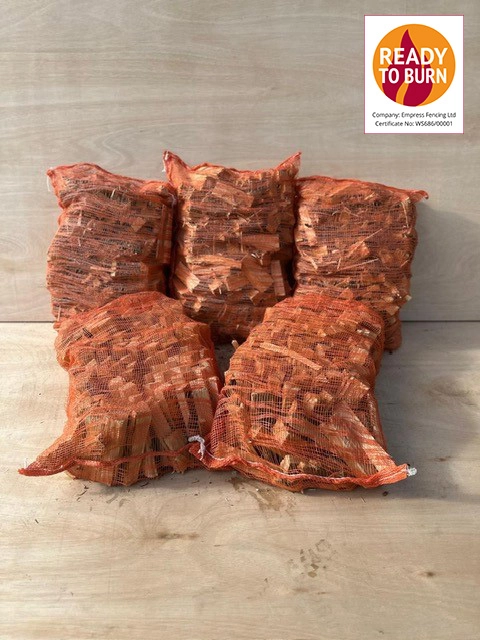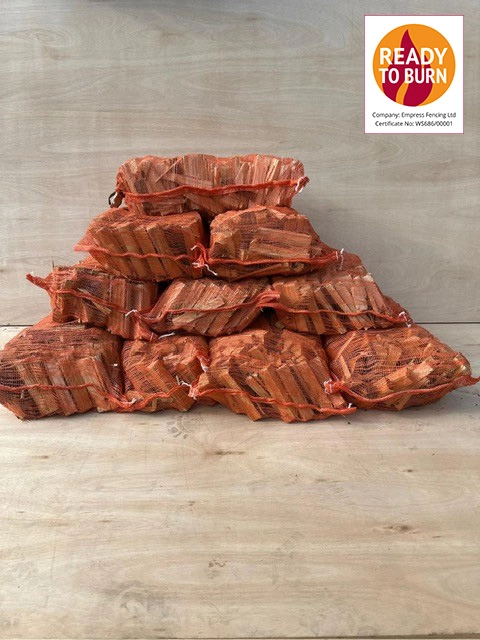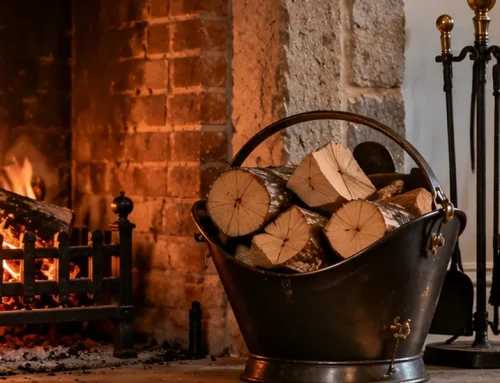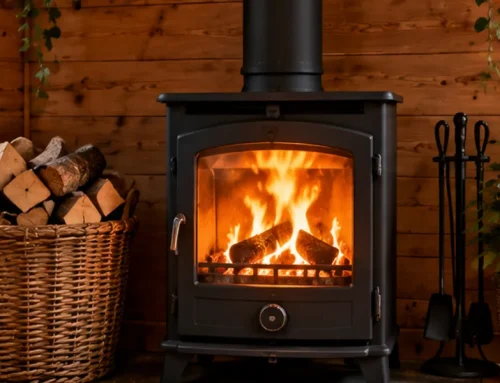


Late winter can often be colder than expected, with January and February bringing sudden cold snaps that leave households scrambling for warmth. If your home relies on a wood-burning stove or open fire, securing logs for sale early is essential for uninterrupted warmth. Late winter is peak log usage, as winter drags on and households Ready to Burn more logs to maintain comfortable temperatures, particularly during overnight freezes. In this post, we’ll explore why timing matters, what makes quality logs, and how to secure a reliable supply so you stay warm through February.
Why late winter drives log demand
Winter rarely behaves exactly as forecasted. January and February often deliver unexpected cold spells, heavy frosts, and long nights. These conditions push homes to rely more heavily on wood fuel, increasing consumption dramatically. By understanding this pattern, you can plan ahead and avoid the stress of running out of fuel when temperatures plummet.
- Increased usage: As temperatures drop, heat demand rises, and log consumption climbs.
- Overnight freezes: Prolonged cold nights mean more hours of heat required, accelerating log burn rates.
- Supply unpredictability: Weather-driven delays or high demand can lead to shortages if you wait too long.
Planning ahead for late winter ensures you’re not left in the cold when a cold snap hits.
The benefits of securing logs early
Securing logs for sale before severe cold arrives offers several advantages:
- Stable pricing: Early orders can lock in current prices, protecting you from sudden price spikes caused by demand surges.
- Reliable delivery slots: Reputable suppliers often offer confirmed delivery windows, reducing the risk of delays during peak periods.
- Consistent heat output: Well-seasoned, quality logs burn more efficiently, giving you more heat per burn and less wasted fuel.
- Reduced ash and smoke: Properly seasoned logs produce cleaner burns, which means less creosote buildup and easier chimney maintenance.
Taking these steps ahead of time translates into more predictable warmth for your home during late winter.
What makes a log of higher quality?
High-quality logs delivered better heat output, burn more cleanly, and require less effort to stack and store. When evaluating logs for sale, consider the following criteria:
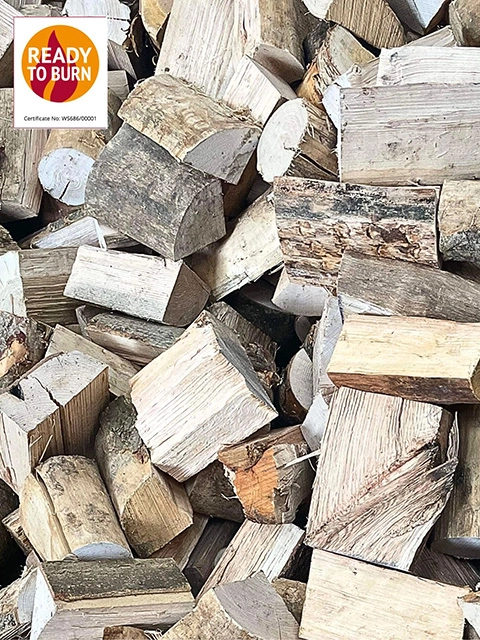
- Seasoning: Logs should be well-seasoned (typically 6–12 months, depending on species and storage). Well-seasoned wood lights easily, burns hotter, and produces less smoke and creosote.
- Moisture content: Aim for a moisture content of around 20% or lower. Dry logs ignite quickly and sustain a steady flame.
- Wood species: Hardwoods (like oak, ash, beech) generally produce more heat and longer-lasting embers than softwoods. A mix can provide a balance of immediate warmth and longer burn time.
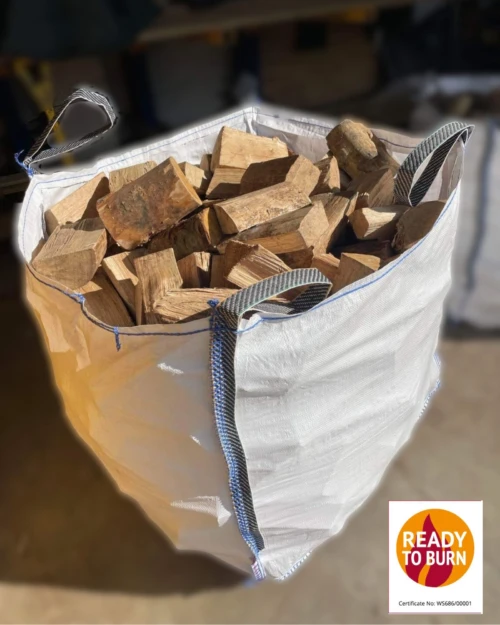
- Size and aspect: Consistent log sizes (e.g., 25–30 cm lengths) help with efficient burning and easier loading into stoves or fires.
- Storage conditions: Logs should be stored off the ground, protected from rain, and kept dry to preserve seasoning.
Well-prepared logs ensure higher heat output, reduced ash and smoke, and better efficiency from your stove or fireplace.
How to plan and secure a reliable logs for sale supply
Working with reputable suppliers who understand late-winter demand helps safeguard your warmth. Here are practical steps to secure your supply now:
- Assess your needs: Estimate daily and weekly burn rates, including overnight usage. Decide whether you need a single top-up or a bulk delivery to last until spring.
- Check stock and lead times: Contact suppliers to confirm current stock levels, delivery options, and lead times. Early orders reduce the risk of shortages.
- Ask about seasoning and moisture testing: Request information on seasoning dates and, if possible, moisture content guarantees.
- Consider delivery flexibility: Some suppliers offer flexible delivery windows or ready-to-stack pallets, which can simplify your setup.
- Review firewood quality assurances: Look for supplier warranties or quality assurances to ensure you’re getting reliable logs for sale.
By following these steps, you’ll be prepared for late winter’s unpredictable weather while maintaining comfortable temperatures at home.
Practical tips for using logs efficiently
Even with a steady supply, efficiency remains key to staying warm through February. Consider these tips:
- Burn the right mix: Use well-seasoned hardwood for steady heat and a small amount of softwood for quick ignition if needed. Avoid damp or green logs.
- Optimise stove settings: Modern wood stoves perform best when operated at the recommended heat range. Regularly clean and maintain flue systems to ensure efficient combustion.
- Layer your heating: Supplement wood heat with insulation and weatherproofing measures to reduce heat loss, especially overnight.
- Store logs properly: Stack logs in a dry, ventilated space or cover with a breathable tarp to prevent moisture absorption while allowing air to circulate.
- Safety first: Ensure proper ventilation in living spaces and install smoke and carbon monoxide detectors as a precaution.
By combining a solid logs strategy with efficient burning practices, you can minimise waste and maximise warmth during late winter.
Flexible supply options to suit your needs
Whether you need a small top-up or a bulk delivery to last until spring, reputable suppliers can accommodate your needs. Flexible options include:
- Short-term top-ups: Regular, smaller orders to keep you stocked without overcommitting.
- Bulk deliveries: Larger quantities delivered on a scheduled basis, designed to bridge the colder periods.
- Seasonal bundles: Pre-packaged assortments that mix hardwood and softwood for balanced heat and easy lighting.
- Stacking and storage services: Some suppliers offer assistance with delivery-ready pallets or guidance on proper stacking.
Having flexible options ensures you stay ahead of the weather while maintaining cost effectiveness.
Late winter can test a home’s resilience, with January and February bringing unexpected cold snaps that demand dependable warmth. By understanding the seasonal pattern of log consumption and prioritising early, high-quality logs for sale, you can secure a steady heat source through February. Well-seasoned logs provide higher heat output, reduce ash and smoke, and improve overall efficiency from your stove or fireplace. Planning ahead also means you can benefit from stable pricing and reliable delivery, giving you one less thing to worry about when winter weather takes a turn.
If you’re asking yourself, “Need logs for sale for late winter?” now is the time to secure your supply. Stay one step ahead of the weather, place your order, and ensure your home remains warm and comfortable throughout February and beyond. By choosing quality logs and establishing a dependable supply, you’ll enjoy peace of mind when the coldest weeks come knocking. Be ready for the late winter cold with January & February Logs for Sale.
For logs for sale Blackburn, logs for sale Burnley, logs for sale Darwen, logs for sale Rossendale, logs for sale Accrington, logs for sale Colne, logs for sale Nelson or logs for sale Clitheroe, order online below.