
When planning fencing for a garden or property, two options frequently come to the fore: feather edge fencing and overlap panels. Although they might appear similar from a distance, their construction, performance, and long-term value differ significantly. In this post, we’ll explore how feather edge vs overlap panels stack up against each other, and offer practical guidance to help you choose the right solution for your site, budget, and lifestyle.
Why the choice matters
Fencing is more than a boundary; it shapes privacy, security, curb appeal, and even wind exposure for the garden. The two popular options, feather edge fencing and overlap panels, each have distinct construction methods, benefits, and limitations. Understanding the real differences can prevent costly mistakes and ensure you end up with a fence that lasts.
Key keywords to recognize in this discussion include Feather Edge vs Overlap Panels: What’s the Real Difference?, as well as related products like Decorative Garden Gates, Decorative Fence Panels, 6ft fence panels, and fence posts. These terms appear throughout because they capture the main styles, sizes, and accessories people consider when commissioning or installing a new fence.
Feather edge fencing – strength, durability, and wind resistance
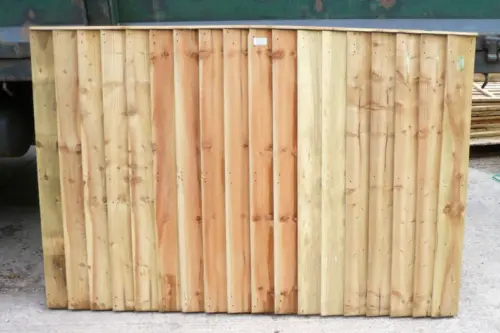
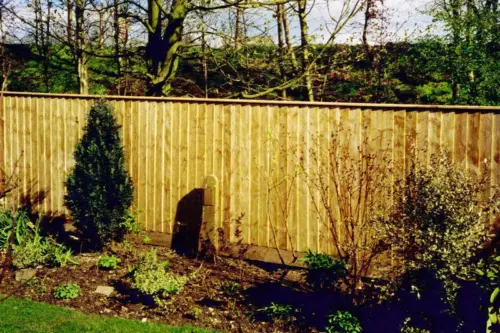
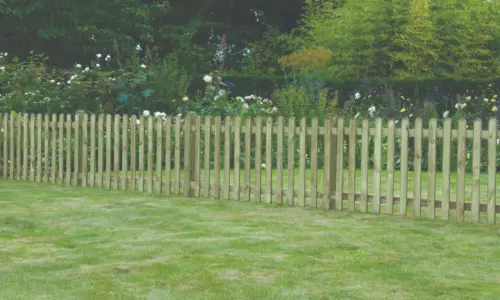
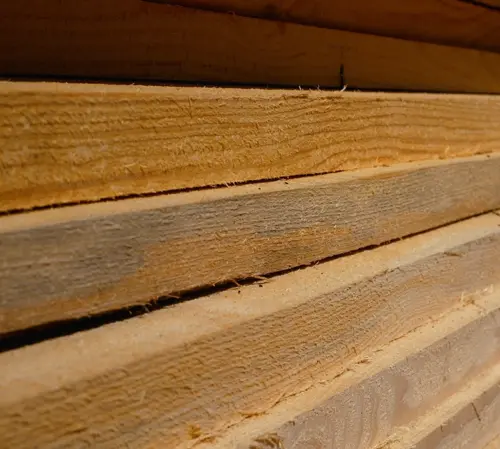
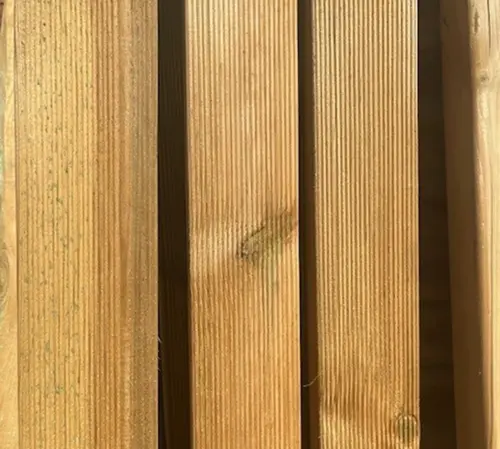
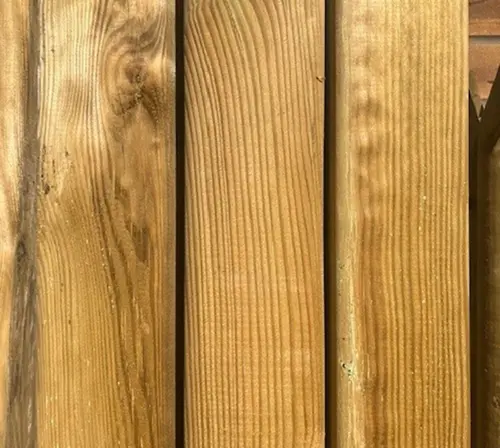
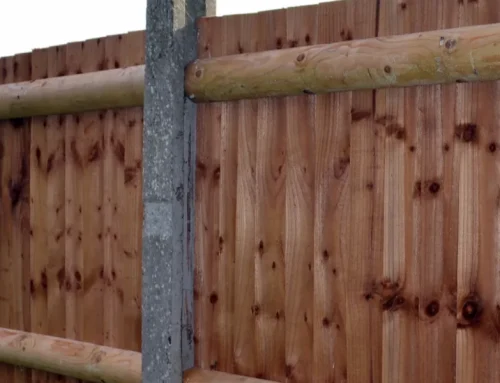
Feather edge fencing, sometimes called closeboard fencing, has a reputation for resilience, especially in exposed or rural environments. The construction method involves vertical boards that are individually fixed to horizontal rails, creating a continuous, robust panel.
- Strength and durability: Because each vertical board is fixed separately, damage to one board does not immediately compromise the entire panel. This localized failure mode makes feather edge fencing particularly suitable for windy sites or areas with challenging weather patterns.
- Wind resistance: The vertical-board, closeboard design reduces flex and delivers good wind resistance. In exposed gardens or coastal zones, this can make a noticeable difference in how long the fence lasts and how well it maintains its appearance.
- Aesthetics and tailoring: Feather edge fencing offers a traditional, solid look that many homeowners associate with rural charm. The closeboard vertical lines provide a classic silhouette that pairs well with Traditional Garden Gates and other rural garden features.
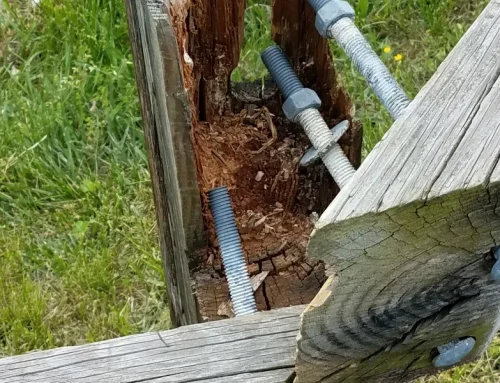
- Maintenance considerations: To maximize lifespan, fence posts should be well pegged and treated, and the boards should be kept dry and protected from excess moisture. Occasional repainting or re-staining can help preserve the timber’s integrity.
Overlap panels – affordability, ease, and domestic appeal
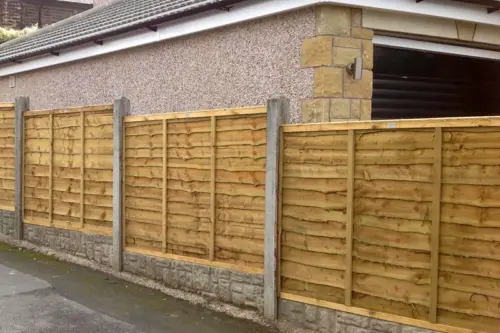
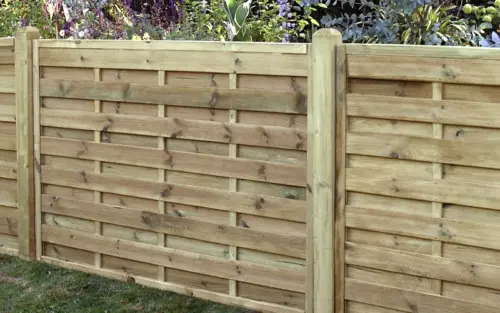
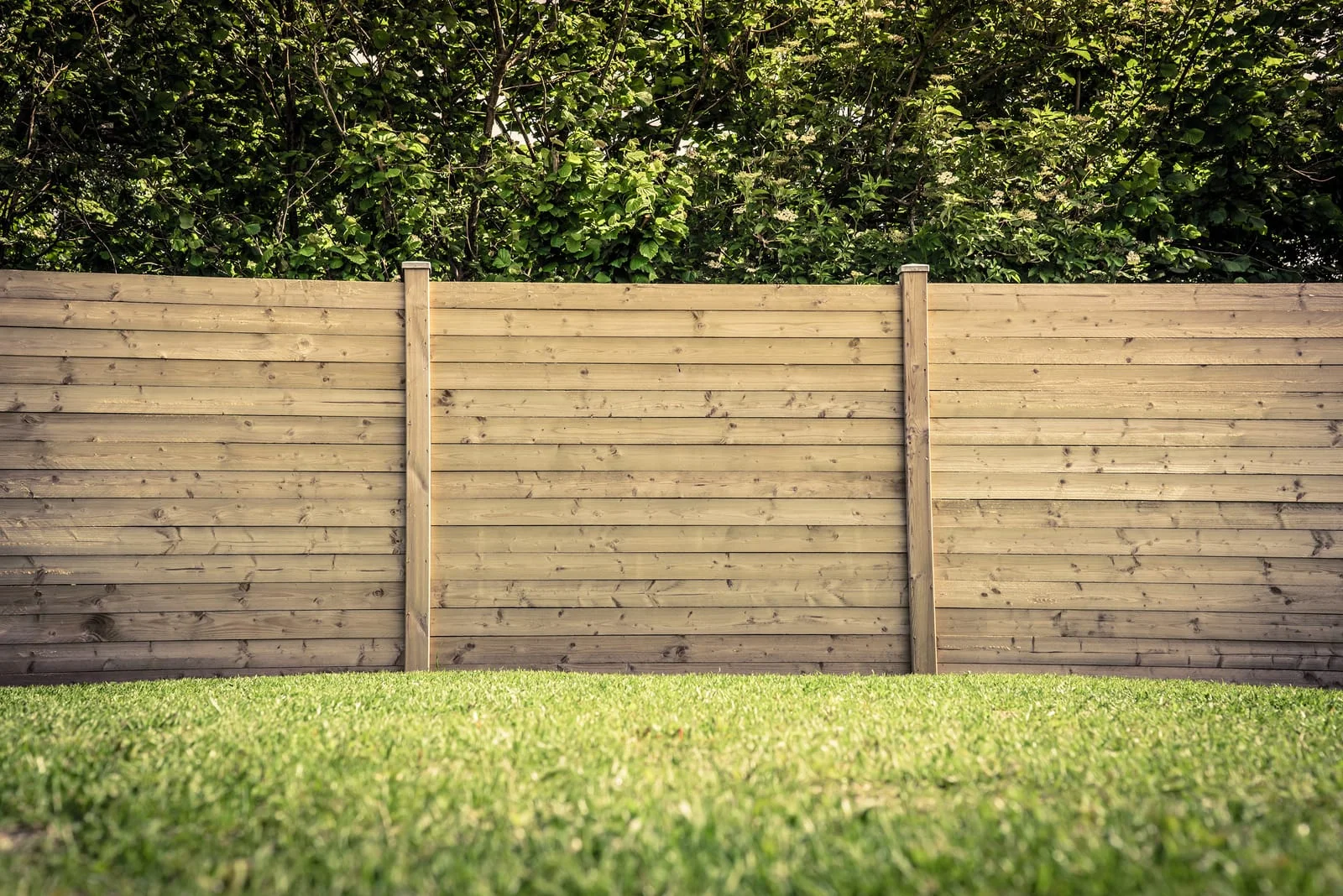
Overlap panels are widely used in domestic gardens due to their affordability and straightforward installation. They consist of horizontal boards layered over one another and framed, creating a solid but more lightweight structure.
- Construction overview: Overlap panels are built by layering thin boards in a staggered fashion, then attaching them to a frame. The result is a uniform panel that is quick to install and easy to replace in sections if damage occurs.
- Privacy and aesthetics: For sheltered areas, overlap panels provide reliable privacy and a neat, uniform appearance. The design is familiar to many homeowners and blends well with a range of decorative touches, including Decorative fence panels and Decorative garden gates.
- Cost and value: Upfront costs for overlap panels are typically lower than feather edge fencing. This makes them an attractive choice for budgets or for temporary fencing solutions where long-term wear isn’t a primary concern.
- Maintenance considerations: Overlap panels can be easier to maintain in the short term; however, if a panel is damaged, the entire section may need replacement, which can affect long-term value and ongoing upkeep.
Choosing between feather edge and overlap – a practical decision framework
The choice between Feather Edge vs Overlap Panels often comes down to three practical factors: exposure, budget, and longevity goals.
- Exposure and site conditions: If your fence will face strong winds, salt spray, or harsh weather, feather edge fencing may offer better durability and wind resistance. For sheltered, urban, or low-wear locations, overlap panels can perform adequately and cost less upfront.
- Budget and total cost of ownership: Overlap panels usually win on initial price. However, if you factor in replacements and repairs over time, feather edge fencing can offer better long-term value due to its durability and the localized nature of damage.
- Longevity and performance goals: If you want a fence that lasts for decades with relatively low maintenance, feather edge is often the more strategic choice. For shorter-term solutions or low-maintenance aesthetics, overlap panels are a sensible option.
Practical tips for installation and accessories
Regardless of the choice, good installation practices and appropriate accessories help maximize performance and appearance.
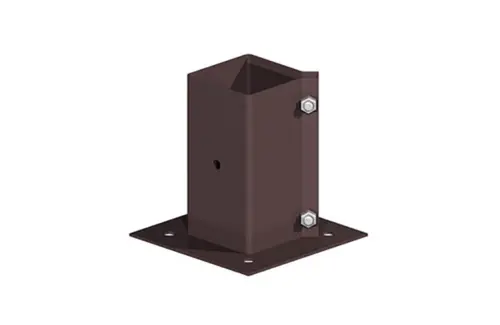
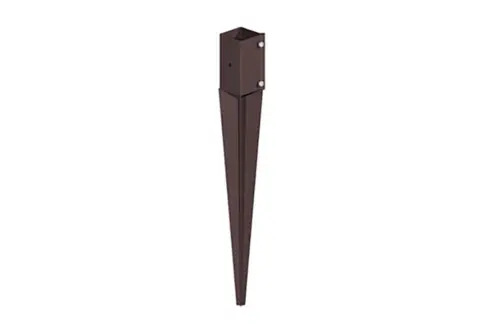
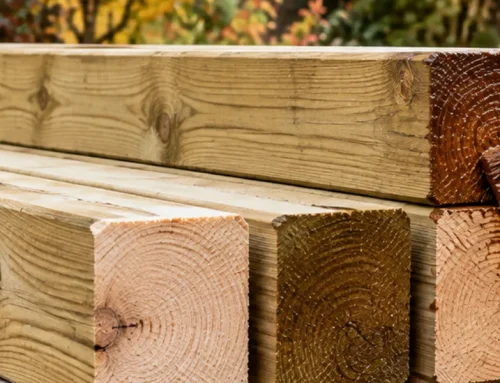
- Fence posts: Invest in sturdy fence posts and ensure proper depth and fixings. Posts are the critical support that determines the fence’s resilience to wind and ground movement.
- Gate integration: If you plan decorative or traditional garden gates, ensure gate posts align and that hinges and latches are compatible with the fence style. Decorative Garden Gates can complement either system when chosen to match the overall look.
- Panel sizing: Consider common panel heights such as 6ft fence panels if your local building standards or boundary requirements specify such dimensions. Matching the fence height to your privacy needs is essential.
- Maintenance plan: For feather edge, sealants and treatments will extend life against moisture and rot. For overlap panels, periodic staining or painting helps protect the exposed surfaces.
Real-world scenarios – when to pick which
- A windy country plot with a garden on an exposed hillside: Feather edge fencing is often the preferred option for its durability and wind resistance.
- A suburban yard with a level, sheltered garden: Overlap panels provide an economical, quick-to-install solution with adequate privacy.
- A property with a tight budget but a long-term plan: Start with overlap panels for cost savings, then consider a feather edge upgrade later as maintenance needs arise.
- A home aiming for a traditional aesthetic: Combine feather edge panels with Traditional Garden Gates and other period-appropriate elements to achieve an authentic look.
In the feather edge vs overlap panels debate, there is no one-size-fits-all answer. Consider your site exposure, budget constraints, and how long you want the fence to last. Feather edge fencing offers strength, wind resistance, and long-term durability, making it a sound investment for challenging environments. Overlap panels deliver affordability, ease of installation, and quick privacy for sheltered areas or tighter budgets.
Whichever route you choose, plan with the broader garden design in mind. Coordinating fence panels with Decorative Fence Panels, Decorative Garden Gates, and other outdoor features can create a cohesive look that elevates your property. If you’re unsure, consult a local fencing expert who can assess your site conditions and provide tailored recommendations. With the right approach, your fence will not only define your boundaries but also enhance your outdoor living space for years to come.