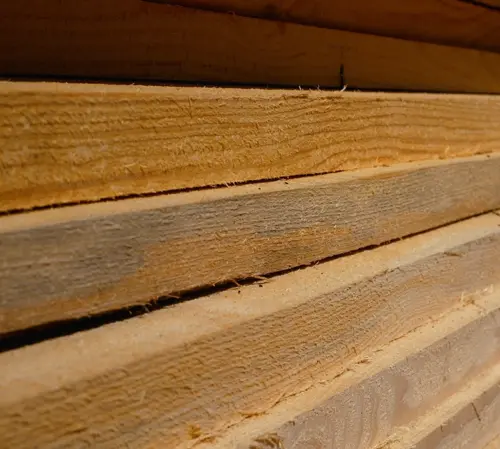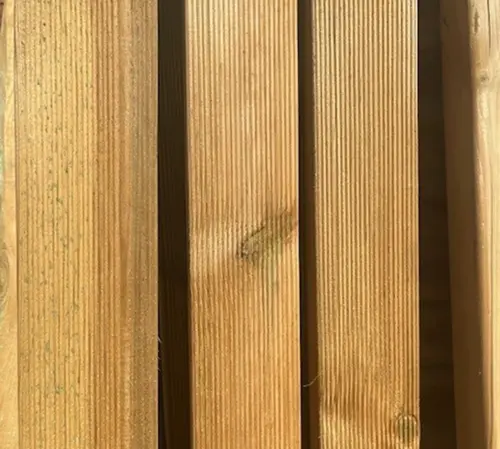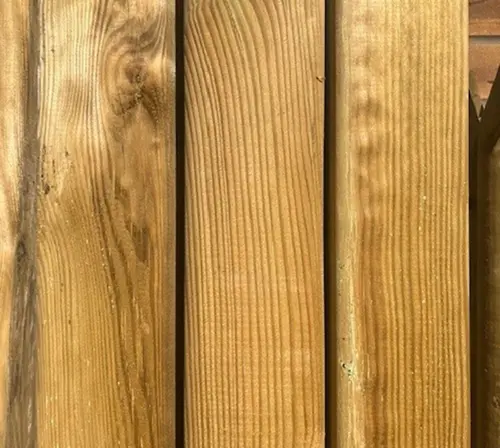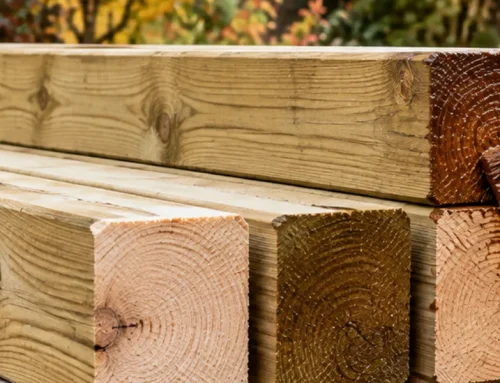

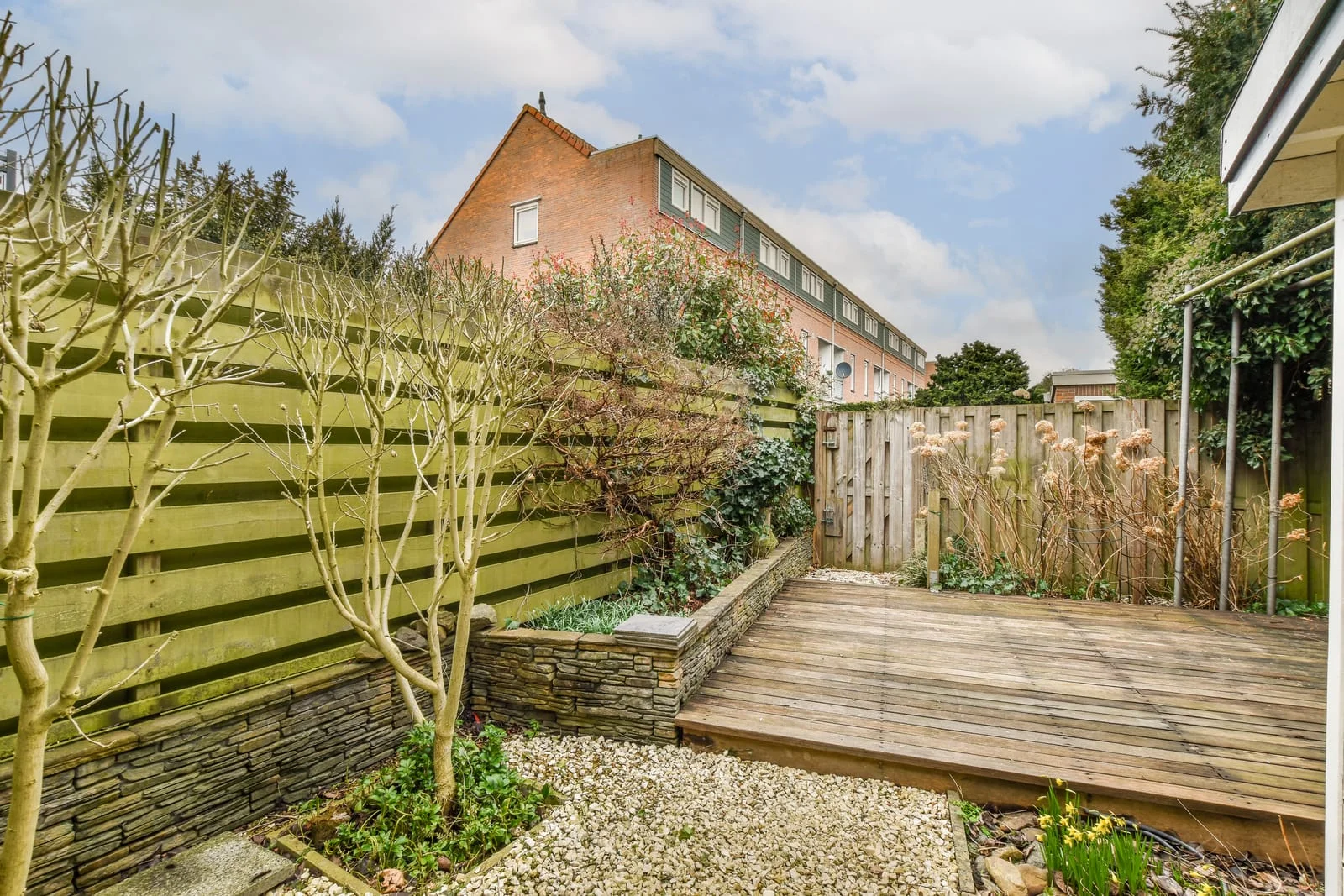
Choosing the right fence panels for your garden is important for both appearance and durability. With several types of fencing available, each offering different benefits depending on your needs, it’s essential to weigh factors like privacy, wind exposure, maintenance, and budget. In this guide, we’ll explore popular options and help you decide which fence panels are best for your space. The keyword to keep in mind is: How to Choose the Right Fence Panels for Your Garden.
Why the Right Fence Panels Matter
A fence does more than mark boundaries. It frames your outdoor space, contributes to security, and can enhance curb appeal. Whether you want a quiet retreat, a place for children to play, or a stylish backdrop for garden features, selecting the right fence panels is a foundational step. From waney lap panels to decorative designs, understanding the strengths and limitations of each type will save you time and money in the long run.
Waney Lap Fence Panels – Affordable and Practical Privacy
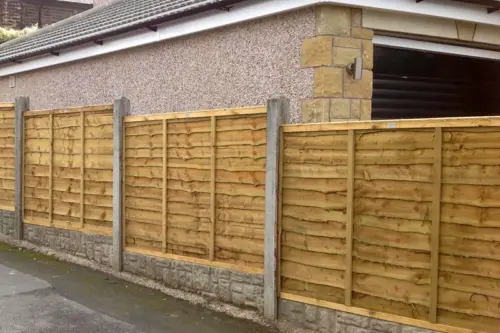
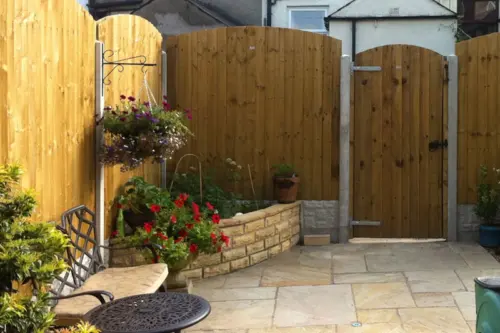
Waney lap fence panels are one of the most popular options for many gardens. They are known for their affordability, practical construction, and ability to provide reliable privacy without breaking the bank. Key characteristics include:
- Moderate privacy: The gaps between the waney (rough-cut) boards create a natural screen while allowing some light and air.
- Easy installation: A straightforward panel style that suits DIY projects.
- Versatility: Works well in traditional and contemporary settings when paired with appropriate posts and gravel boards.
Ideal uses: urban gardens, boundary lines, and areas where you want a cost-effective solution that still offers a degree of seclusion. If budget is a primary concern but you don’t want to compromise on function, waney lap panels are often a sensible starting point.
Feather Edge Fence Panels – Strength for Exposed or Long-Term Installations
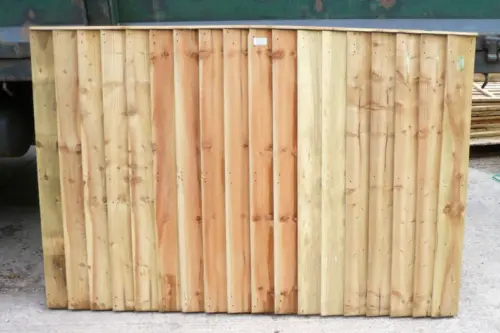
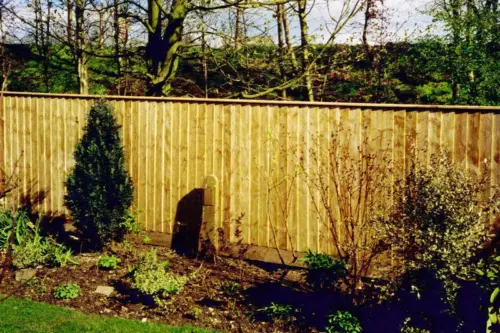
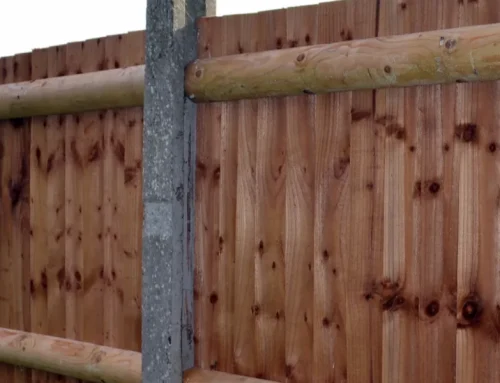
For gardens exposed to the elements or spaces requiring more durability, feather edge fence panels offer a stronger, more robust solution. They feature narrow, overlapping feather-edge boards that create a dense, weather-resistant barrier. Benefits include:
- Increased durability: The dense, overlapping boards provide enhanced wind resistance and longevity.
- A cleaner appearance: Feather edge panels tend to present a neater, more uniform line once installed.
- Better security: The tighter joinery reduces visibility through the gap, improving privacy and security in exposed locations.
Use cases: windy coastlines, large open spaces, or areas where you anticipate heavy use and longer-term installation. While they may carry a higher initial cost than waney lap panels, their resilience often results in lower maintenance over time.
Decorative Fence Panels – Style Meets Privacy
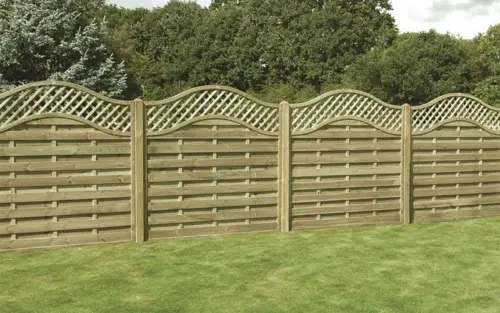
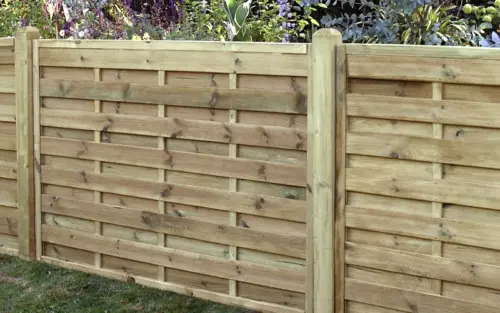
Decorative fence panels are increasingly popular for modern gardens where aesthetics are a priority. These panels come in a wide range of patterns, cut-outs, and intricate designs that can turn a fence into a design feature. Considerations include:
- Visual impact: Decorative panels can create a focal point, add character, and complement architectural styles.
- Privacy balance: Many decorative panels still offer substantial privacy, while others lean more toward artful design with lighter screening.
- Maintenance: Some decorative panels have more exposed surfaces that may require more cleaning or treatment.
If you’re aiming for a contemporary look, decorative panels can be paired with sleek posts and integrated lighting to achieve a stylish, cohesive outdoor space.
Slatted Panels, Trellis Fencing, and Contemporary Designs
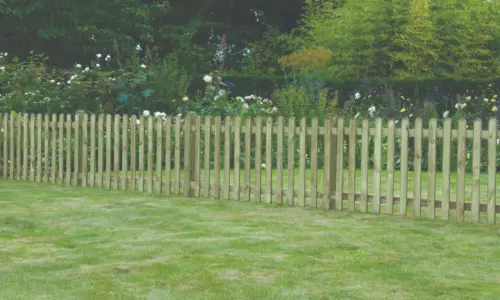
Modern gardens often incorporate slatted panels, trellis fencing, or other contemporary designs to strike a balance between privacy and openness. Highlights include:
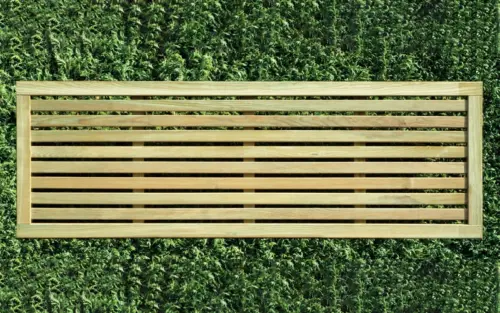
- Slatted panels: These provide a modern silhouette with vertical or horizontal slats. They can be tuned for privacy by adjusting spacing and height, while still allowing light to filter through.
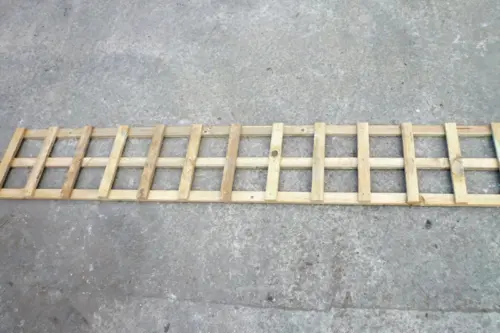
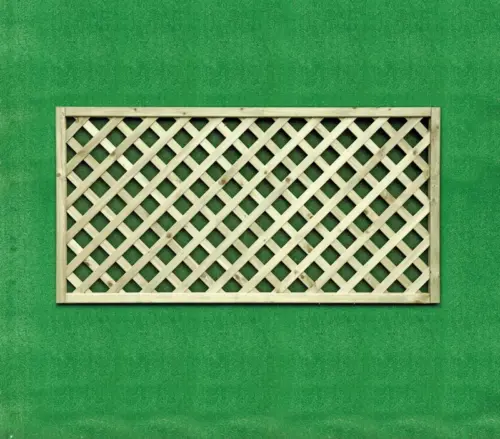
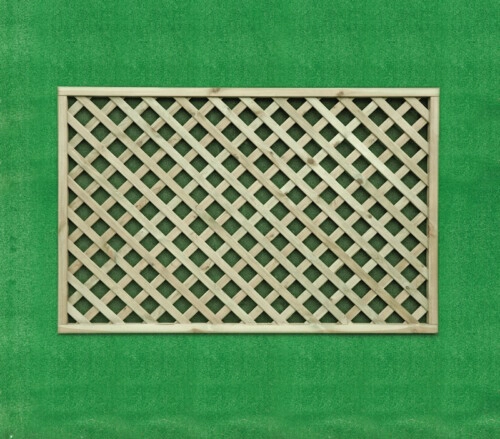
- Trellis fencing: Trellis panels add vertical interest and support for climbing plants. They’re excellent for garden aesthetics and can soften boundaries without fully blocking views.
- Contemporary designs: Clean lines, mixed materials, and modular panel systems offer versatility and a current look that suits many garden styles.
When using these options, think about how light, wind, and plant growth will interact with the design. They’re ideal for creating outdoor spaces that feel open yet well-defined.
The Practical Considerations – Height, Durability, and Style
When choosing fence panels, consider several practical factors:
- Height: Taller panels increase privacy and security but may require planning permission or local regulations. Shorter panels are lighter and faster to install, suitable for decorative boundaries or accent features.
- Durability: Materials (timber, treated timber, or composite), panel construction, and finish affect how long the fence will last and how much maintenance it will need.
- Style: Ensure the fence panels harmonise with your house, garden features, and overall landscape design. Cohesion creates a polished, cohesive look.
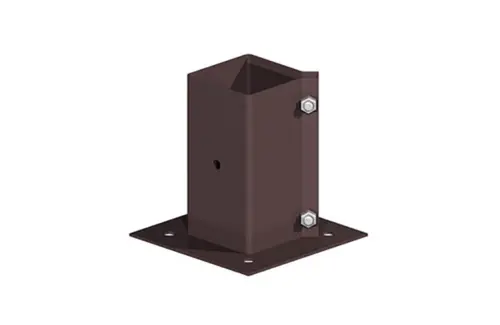
- Posts: Decide between timber or concrete posts. Timber posts blend with natural settings and are quicker to install, while concrete posts offer superior strength and longevity, especially in challenging conditions.
Empress Fencing – A Wide Selection for Every Garden
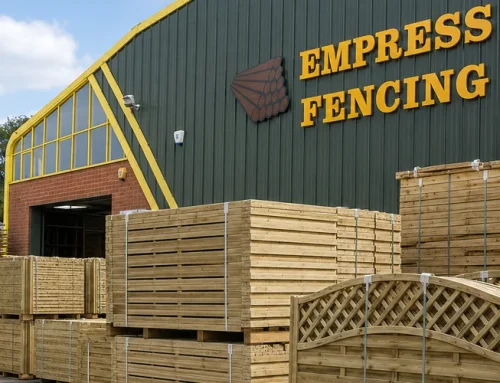
If you’re unsure where to start, Empress Fencing offers a wide selection of high-quality fence panels, timber fencing supplies, and garden fencing materials to suit every garden and budget. Working with a reputable supplier can help you match the right panel type to your climate, soil conditions, and aesthetic goals. Look for features such as pre-stained finishes, treated timber for rot resistance, and warranty coverage for peace of mind.
How to Choose the Right Fence Panels for Your Garden – A Quick Checklist
- Define your priority: privacy, wind protection, aesthetics, or a combination.
- Assess exposure: consider wind, sun, moisture, and soil conditions.
- Decide on height and post type: timber or concrete, depending on location and long-term needs.
- Compare panel types: waney lap, feather edge, decorative, slatted, and trellis, weighing cost vs. durability.
- Plan for maintenance: choose finishes and treatments that suit your climate.
- Consult a supplier: seek advice from professionals to tailor choices to your space.
Choosing the right fence panels for your garden is not just about blocking sightlines; it’s about crafting a space that reflects your style while standing up to the elements. Waney lap panels offer an affordable, practical option for privacy. Feather edge panels provide added durability for exposed areas or long-term installations. Decorative panels and contemporary designs deliver aesthetic appeal without sacrificing function. Slatted panels and trellis fencing can create a modern, open feel with opportunities for climbing plants. By considering height, durability, style, and whether you’ll use timber or concrete posts, you’ll be well on your way to a fence that enhances your garden for years to come. For many gardeners, partnering with a trusted supplier like Empress Fencing can streamline the process and ensure you choose the right fence panels for your garden, tailored to your budget and climate. How to Choose the Right Fence Panels for Your Garden becomes a practical, satisfying project when you approach it with clear priorities and the right information. Please check out our 6ft fence panels, decorative fence panels, decorative garden gates and fence posts range for more information.