
If you are planning a contemporary garden boundary, the choice between slatted and lattice top panels is one of the first decisions worth getting right. As a supplier of fencing and timber supplies in Clitheroe, we stock both styles in the standard 1.8 metre width that most Lancashire gardens are built around, and the right choice usually comes down to how much privacy, light and wind resistance you actually need rather than looks alone. Both are a world away from a plain overlap panel, but they behave very differently once the weather sets in.
How Slatted and Lattice Top Panels Differ
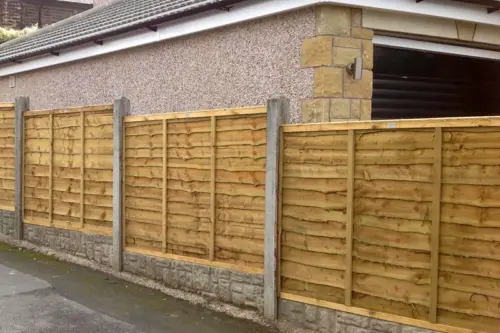
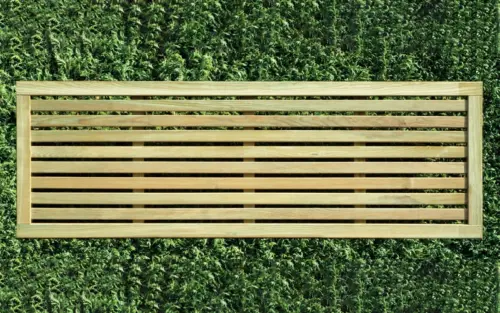
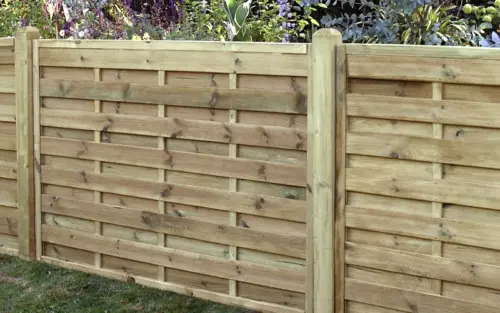
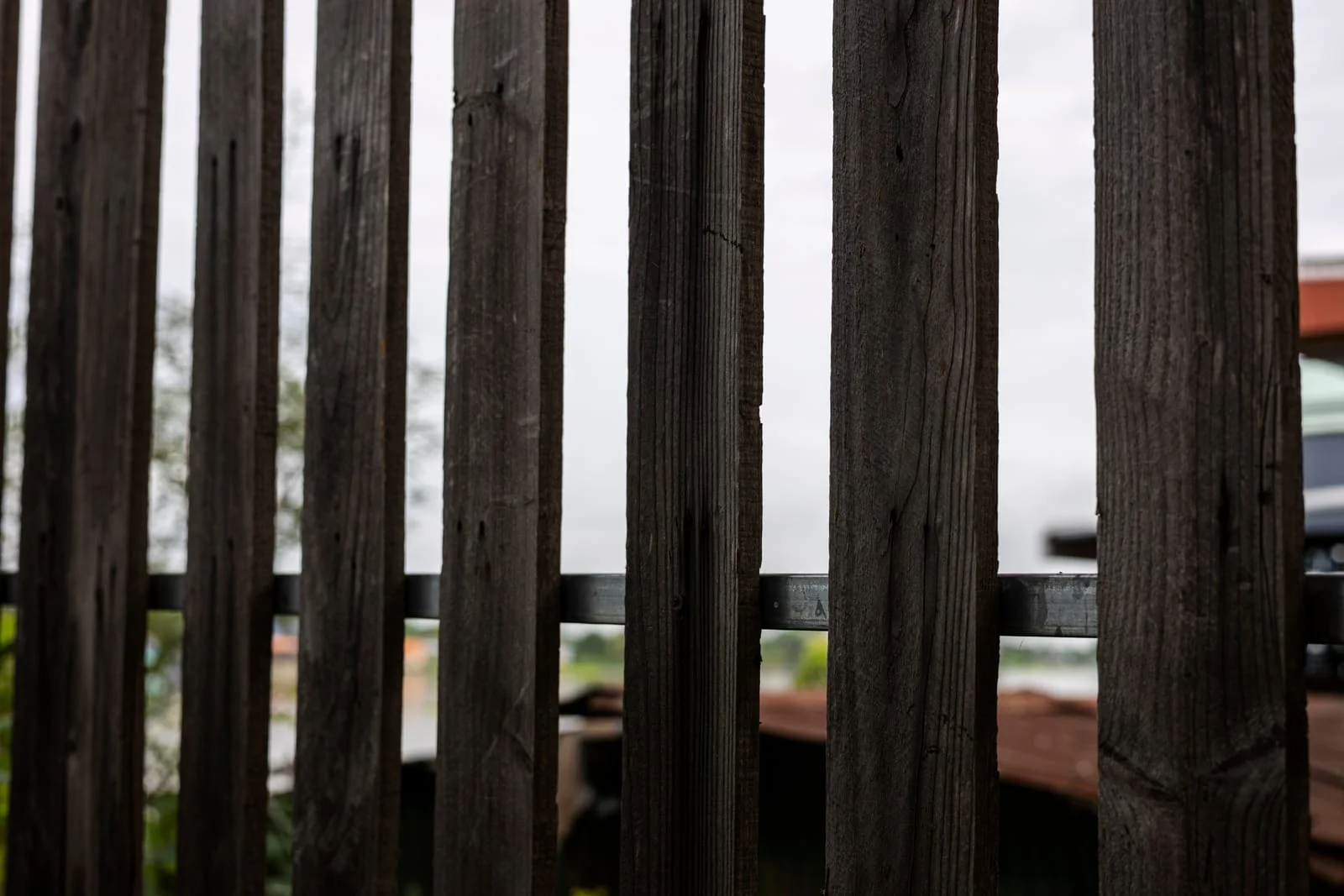
A 1.8 metre slatted panel uses horizontal boards with deliberate gaps between them. That spacing is the whole point. It lets daylight and air pass through while still screening the view at eye level, which is why slatted designs have become so popular in modern gardens where a solid wall of timber would feel heavy. The trade-off is that a slatted panel offers slightly less complete privacy than a closeboard run, so it suits a patio screen, a feature boundary or a divider between garden zones better than it suits a fully overlooked rear fence.
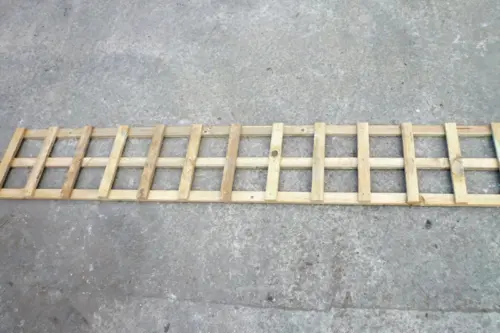
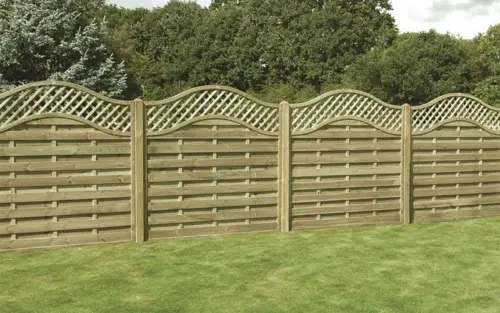
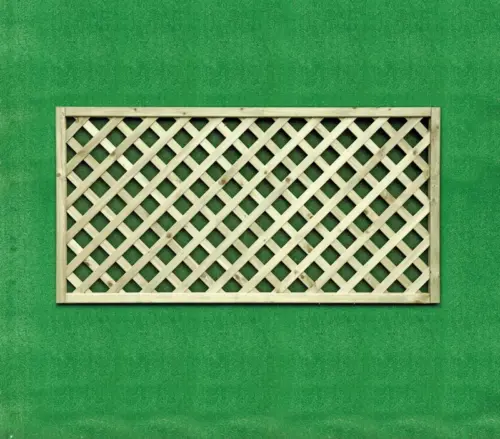
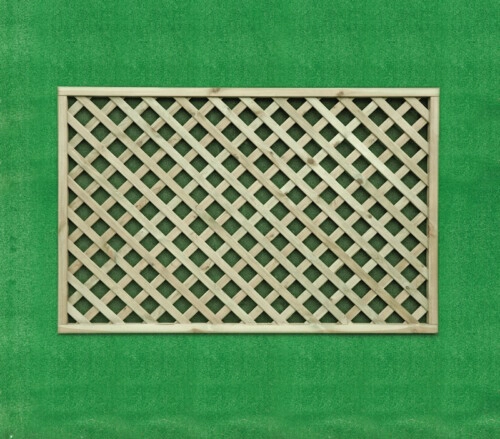
A lattice top panel works on a different principle. The lower two thirds is a solid infill that gives you genuine privacy, and the top section is an open diamond or square lattice that adds height and decoration without blocking light or catching the full force of the wind. In an exposed Ribble Valley garden that distinction matters. A solid 1.8 metre panel takes a real battering in a westerly gale, whereas the open top of a lattice panel lets some of that wind through and reduces the leverage on the posts.
Which Suits an Exposed Lancashire Garden
Wind is the deciding factor for a lot of customers across the valley. Gardens around Waddington, Downham and the higher ground above Clitheroe sit in the path of weather coming off the fells, and a tall solid panel acts like a sail. If your boundary runs along an open aspect, a lattice or slatted top reduces wind load and is far less likely to lift a panel out of its clips in a storm. In a more sheltered town garden in Whalley or Billington, where neighbouring houses break the wind, a slatted screen can be used more freely as a stylish full-height divider.
Getting the Posts and Fixings Right
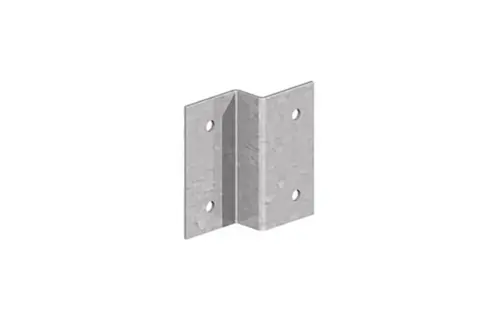
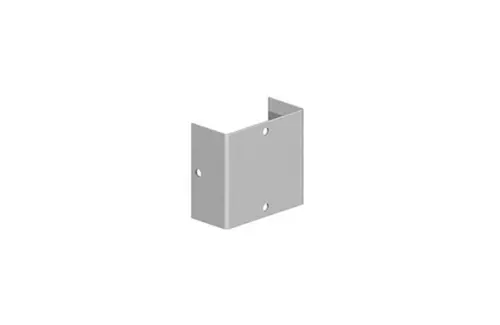
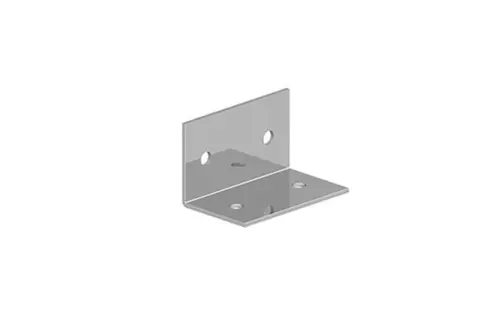
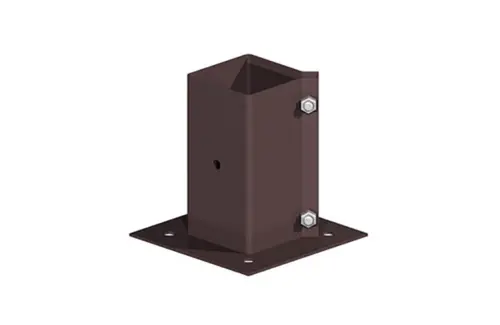
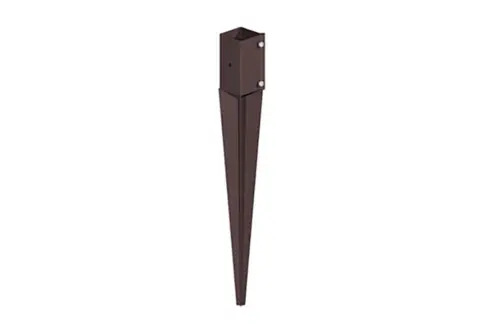
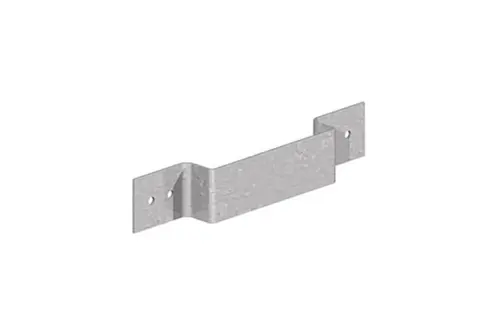
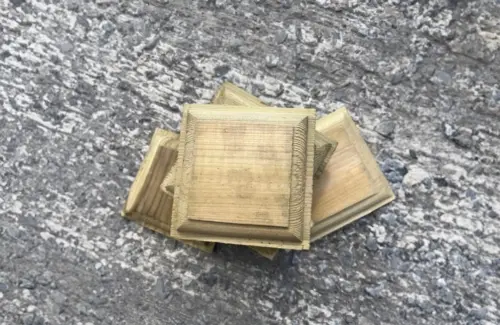
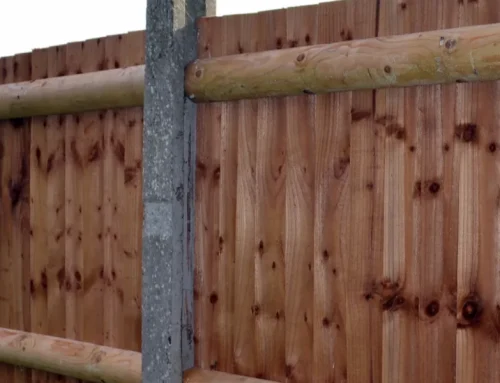
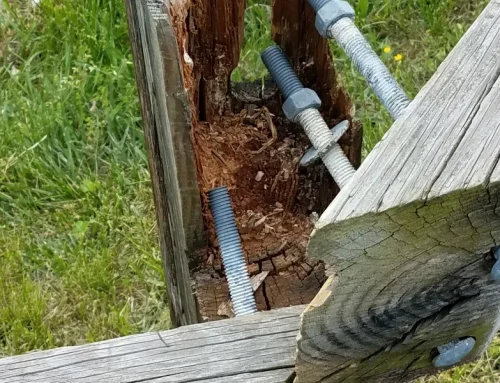
Whichever style you choose, the panel is only as secure as what holds it. We supply timber and concrete posts alongside our panels, and the open-topped designs in particular benefit from being properly clipped rather than just slotted between posts. Our panel clips and security brackets stop a lighter decorative panel from rattling or working loose, and a post cap keeps water out of the end grain so the post lasts longer. If you are weighing up the posts themselves, our guide on wooden vs concrete fence posts is worth a read before you order.
Mixing Styles Across a Garden
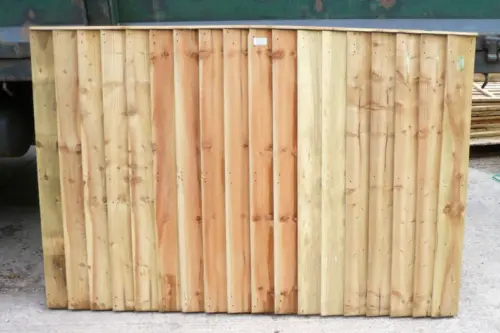
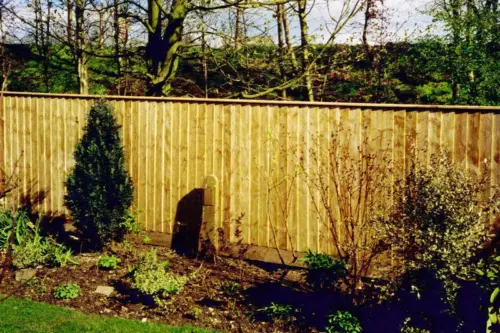
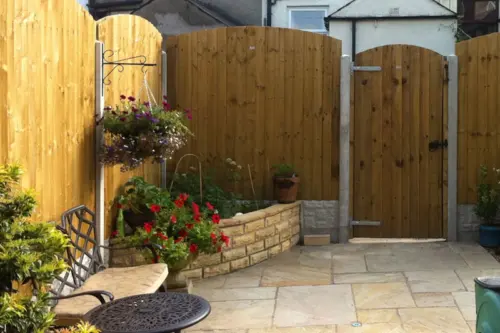
You do not have to commit to one panel across the whole plot. Many of the most attractive gardens we supply use a solid or feather edge panel along the overlooked rear boundary for privacy, then switch to a slatted or lattice design for internal dividers, raised seating areas or the side that catches the afternoon sun. Keeping the post line and the colour treatment consistent ties the whole thing together even when the panels change. Our range of decorative fence panels covers both the slatted and lattice options so you can plan the mix in one order.
If you would like to talk through which panels suit your aspect and how many you will need, call the yard on 01200 449930. We deliver across Clitheroe and the surrounding BB postcode areas, with free delivery on orders over £150, and we are happy to help you measure up before you commit. You can also reach us through our contact us page.