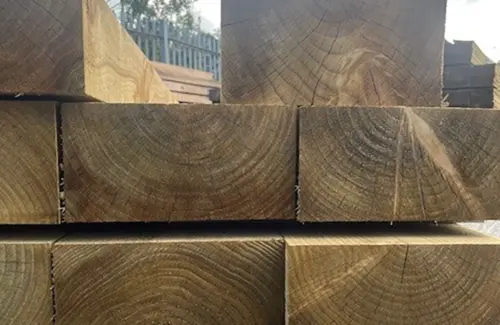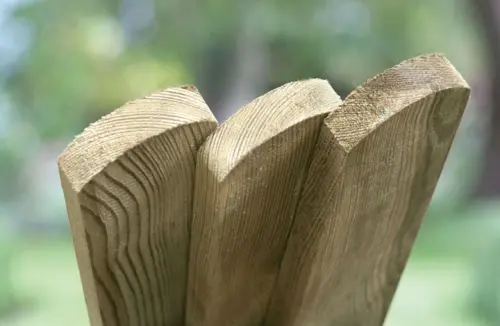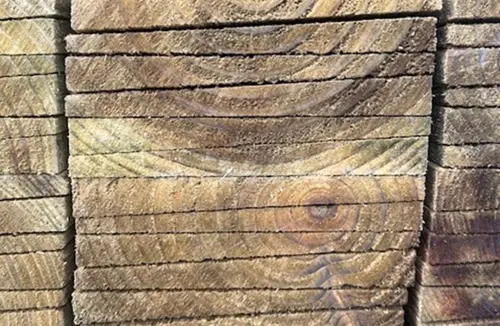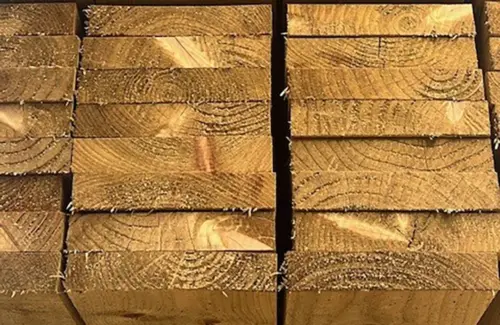

Timber sleepers have become one of the most versatile materials in garden landscaping, and the question we hear most often is whether to spend on oak or stick with softwood. As a supplier of fencing and timber supplies in Clitheroe, we stock oak sleepers, full softwood sleepers and softwood mini sleepers, and the honest answer is that the right choice depends entirely on what you are building and how long you need it to last. This guide sets out the real differences so you can spend sensibly.
How Oak and Softwood Sleepers Compare
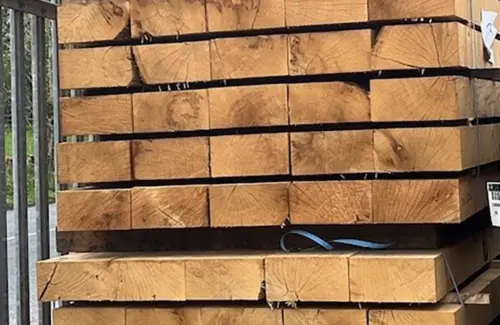
Oak is a dense hardwood, and that density is what you are paying for. An oak sleeper is heavier, harder and naturally far more resistant to rot and ground contact than softwood, which is why it holds up so well in permanent structures that sit in wet soil. The downside is weight and cost. Oak sleepers are genuinely heavy to move and position, and they sit at the premium end of the range. For a structure you want to build once and never revisit, that cost is usually justified.
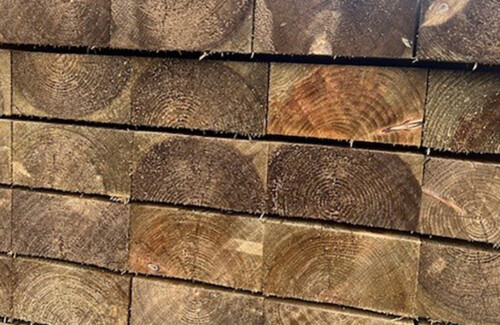
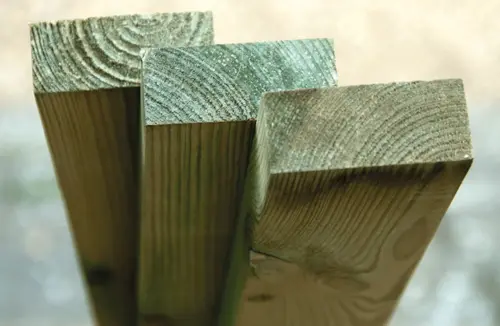
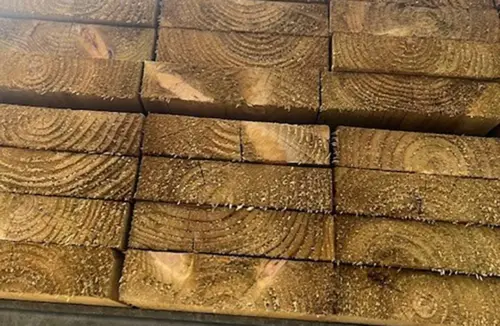
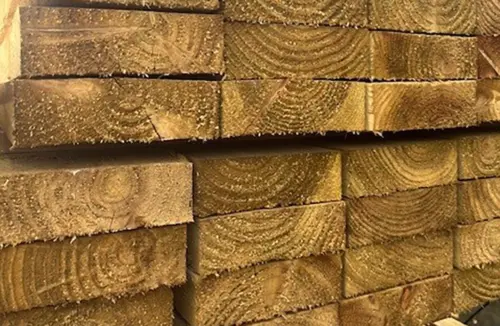
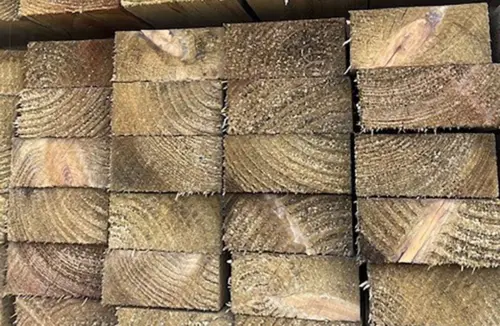
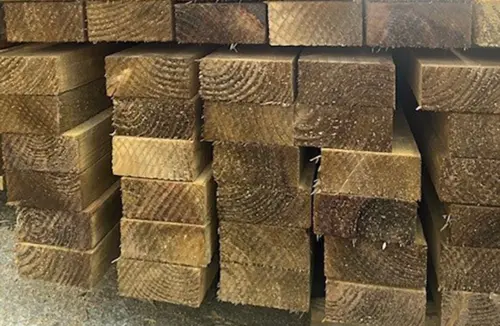
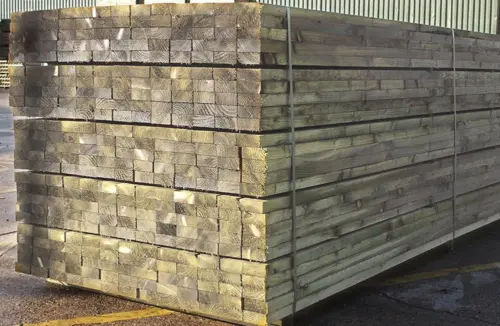
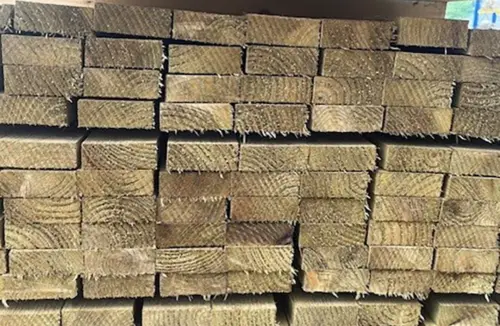
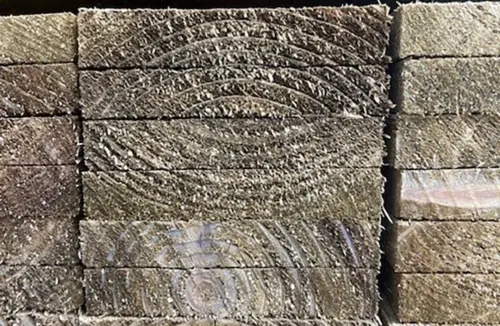
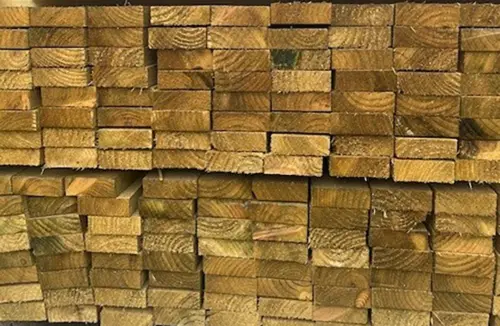
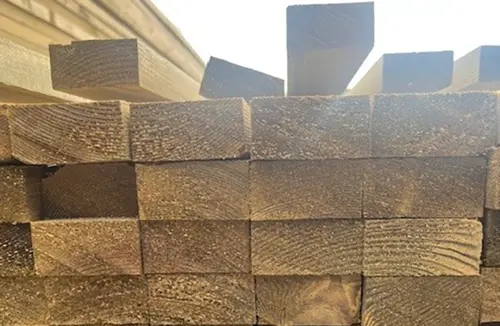
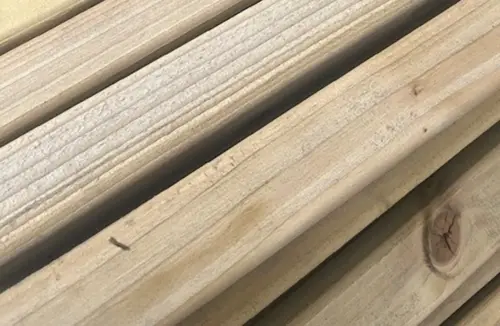
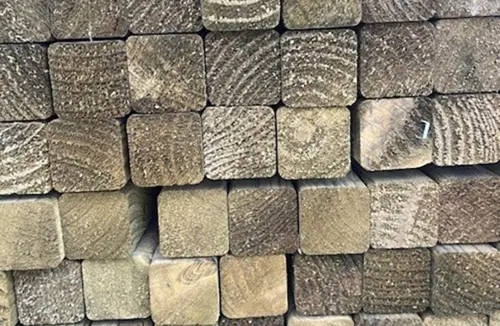
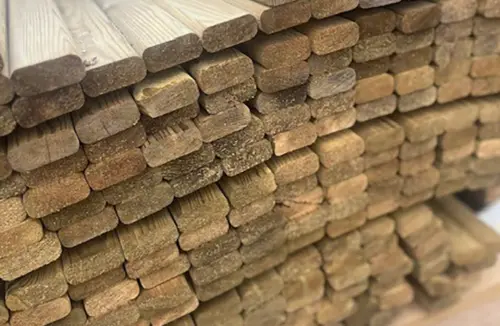
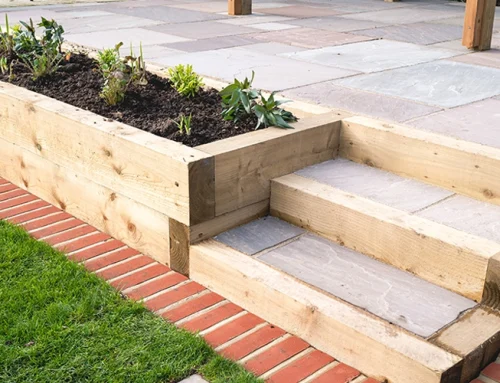
Softwood sleepers are lighter, easier to cut and fix, and considerably more affordable. When pressure treated, a softwood sleeper performs perfectly well for raised beds, edging and lighter retaining work, and the lower weight makes a real difference if you are building solo or moving timber through a narrow side passage. The mini sleeper is a smaller-section version that suits low edging, path borders and smaller raised beds where a full sleeper would be overkill.
Choosing for Raised Beds
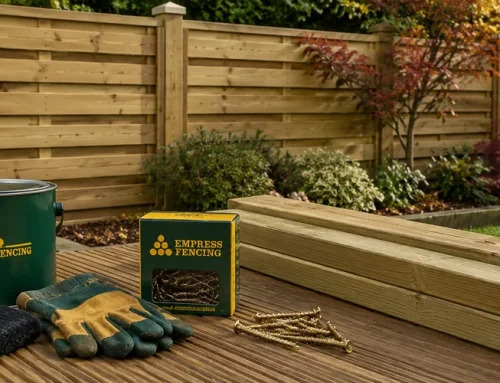
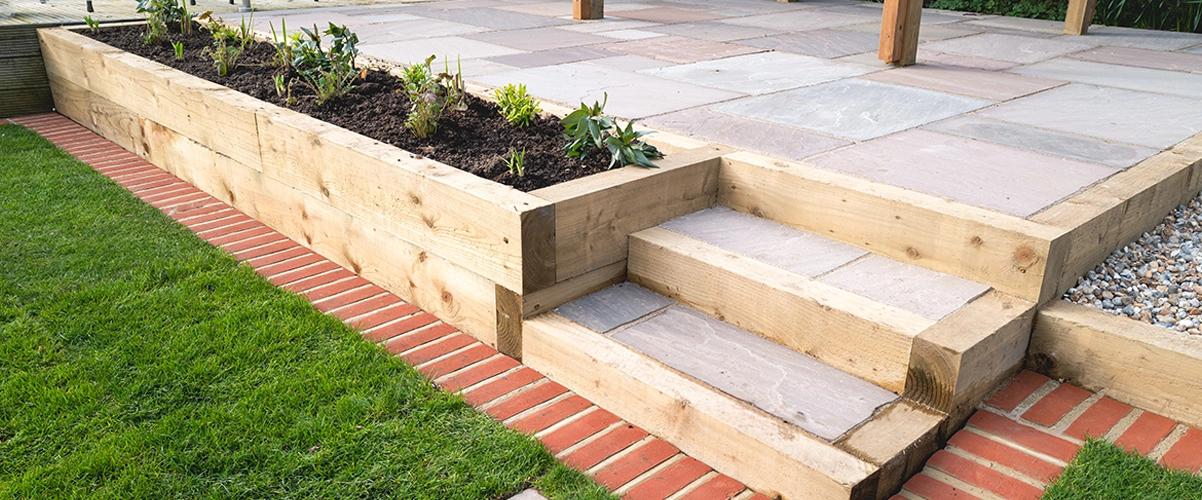
For a raised vegetable or flower bed, the decision often comes down to budget and aesthetics rather than pure engineering. A single course of softwood sleepers is plenty strong for most beds, and pressure-treated stock will give years of service. If the bed is a permanent feature in a prominent spot and you want the rich character of hardwood, oak rewards the spend with looks and longevity. For growing food, both are fine; modern pressure treatments are designed to be safe alongside planting, and a bed liner adds a further layer of separation if you prefer.
Choosing for Retaining Walls
Retaining walls are where the choice gets more serious, because the timber is holding back soil and water under real load. The taller the wall and the wetter the site, the more the durability of oak earns its place. A retaining structure on the sloping ground common across the Ribble Valley takes constant moisture pressure from behind, and that is exactly the environment where softwood works hardest and oak lasts longest. Whatever timber you choose, the wall needs proper fixing and, on anything more than low edging, drainage behind it to relieve water pressure.
Fixing Sleepers Together Properly
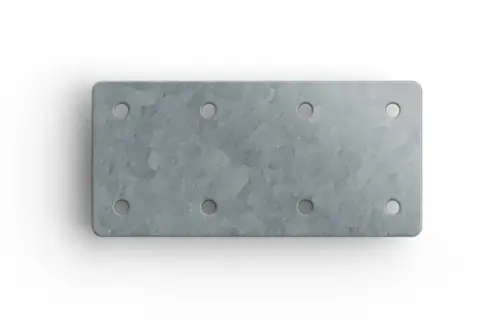
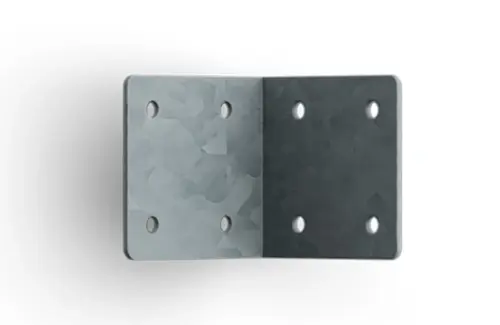
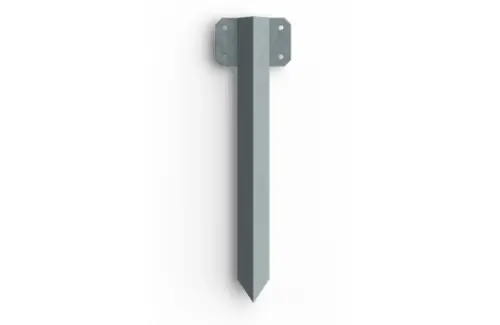
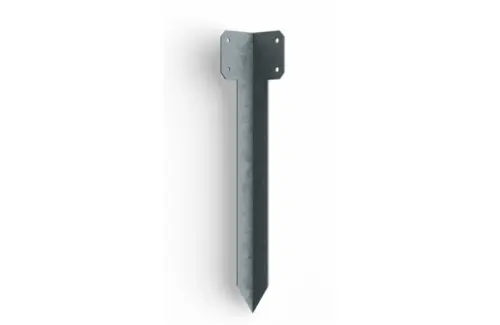
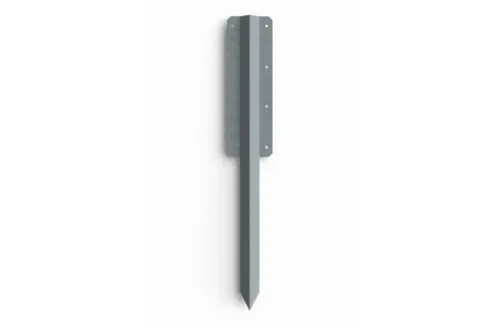
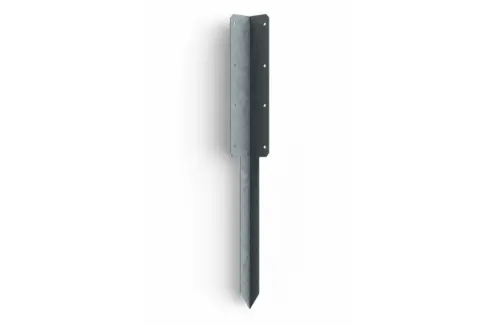
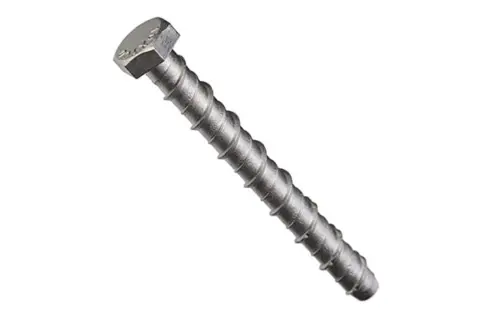
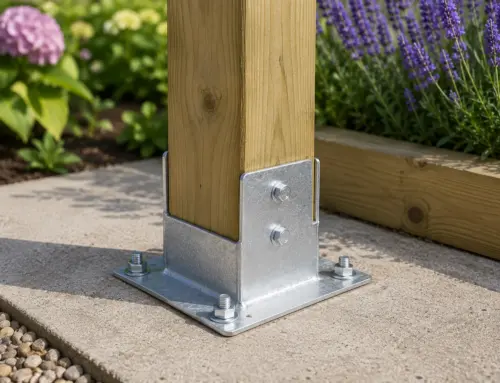
Sleepers are only as good as the joints holding them. We stock a full set of sleeper brackets and pins, including joining plates, angle brackets, and straight and corner sleeper pins in single and double versions, so you can build square corners and solid courses that will not shift. Trying to hold sleepers with the wrong fixings is where a lot of self-built beds and walls go wrong. You can see the timber and the brackets together on our timber sleepers page, and our article on creative ways to use timber sleepers in your garden is full of project ideas.
To talk through a sleeper project and work out quantities and fixings, call 01200 449930. We deliver oak and softwood sleepers across Clitheroe and the BB postcode areas, with free delivery over £150.