
Few materials handle a change in level as elegantly as timber sleepers, which is why they are a first choice for garden steps and low retaining walls on the sloping plots so common around here. A timber sleeper retaining wall or flight of steps turns an awkward bank into a usable, attractive feature, and the chunky proportions of a sleeper give the result a solid, settled look. As a supplier of fencing and timber supplies in Clitheroe, we supply sleepers for exactly this kind of terracing across the Ribble Valley, where almost every garden has a slope to tame somewhere.
The strength of sleepers for this work lies in their mass. A single sleeper is heavy enough to hold its position, and a short run, properly anchored, retains a surprising amount of soil while building in steps that feel generous underfoot.
Building Steps and Retaining With Sleepers
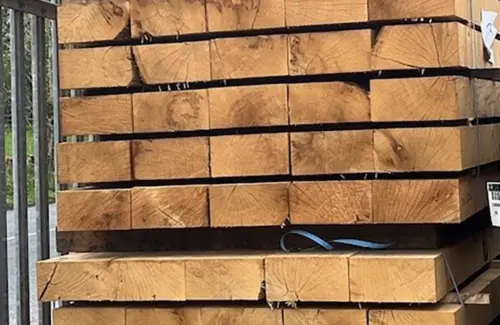
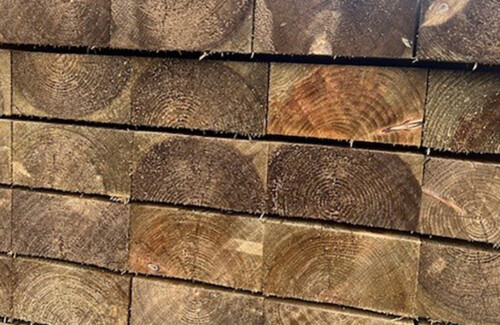
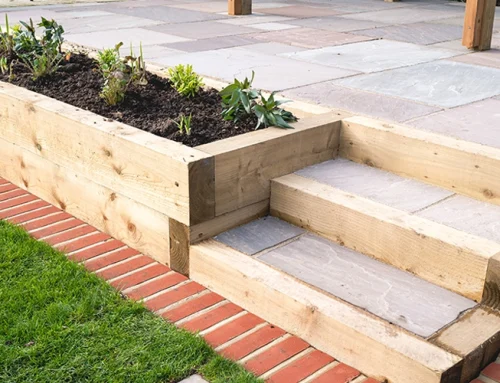
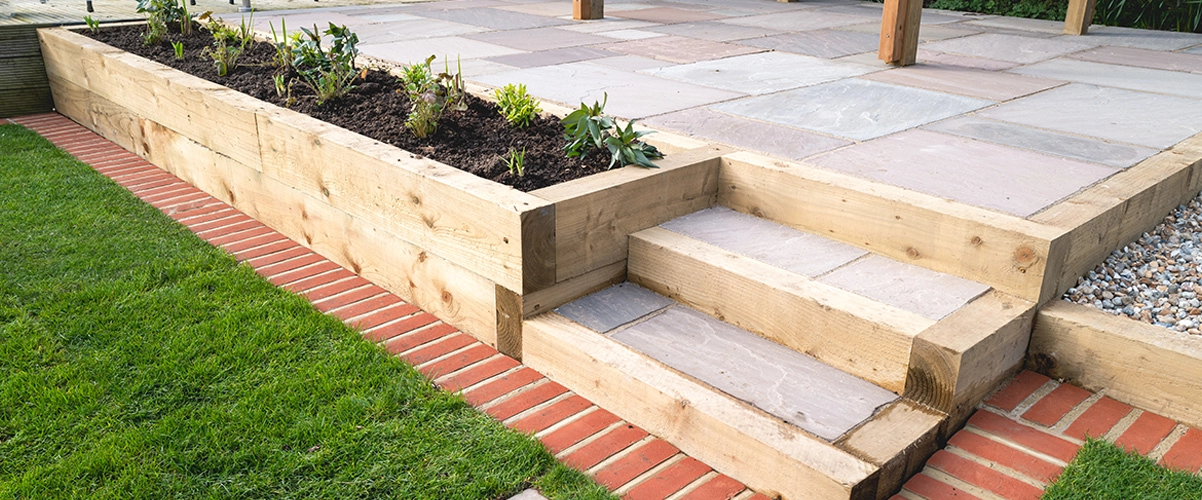
Garden steps from sleepers are built by setting each sleeper as a riser, cutting into the bank, and backfilling to form the tread behind it. Working up a slope, each step sits on firm ground with the sleeper anchored so it cannot creep forward under foot traffic or soil pressure. Our timber sleepers are the right weight and section for this, and they sit within our broader timber range alongside the posts and fixings a job like this needs.
Anchoring a Low Retaining Wall
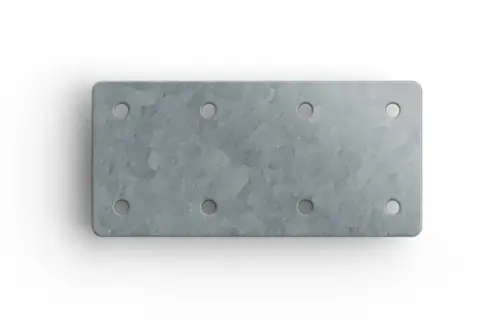
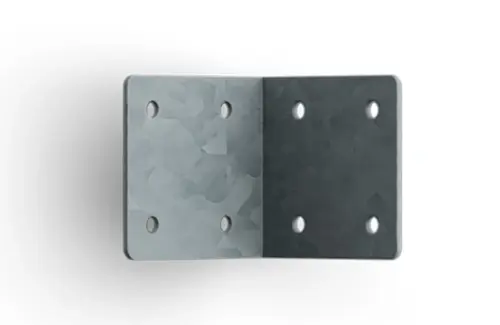
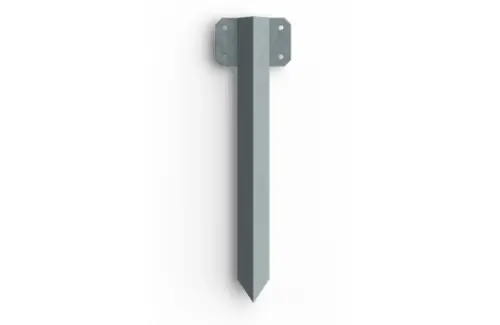
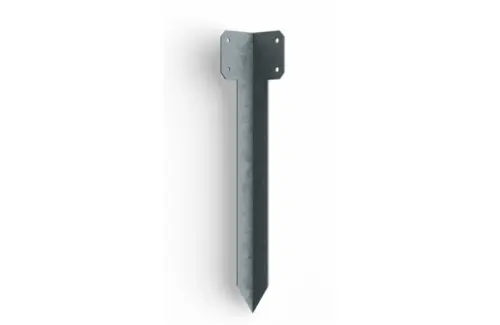
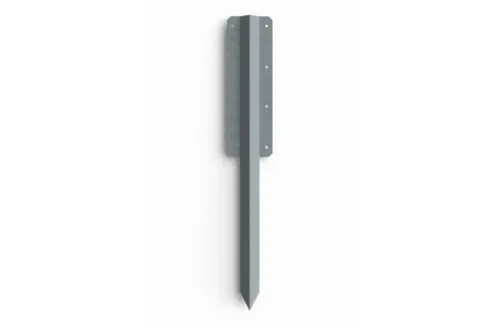
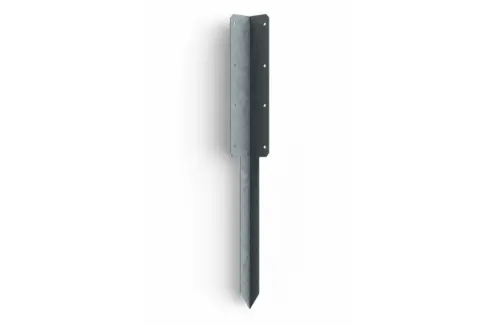
A low retaining wall of sleepers holds back the soil on the higher side of a level change. The key is anchoring, because soil behind a wall pushes outward, especially when it is saturated after rain. Sleepers laid flat and stacked can be pinned together and tied back into the bank, while sleepers stood on end are driven well into the ground to resist the push. Stakes and posts behind or through the wall add the bracing a taller run needs. Our timber posts range provides the stakes, and our fixings and accessories the long fixings that tie courses together.
Managing Water Behind the Wall
Water is the real load on any retaining structure. Soil that cannot drain builds up pressure behind the wall and shortens its life, so allowing water to escape is essential. A free-draining backfill of coarse material behind the sleepers, with the soil kept off the timber, lets water move away rather than sitting against the wall. On the heavier soils found across Lancashire, this drainage detail matters more than anywhere, as wet ground puts the most strain on a retaining wall.
Keeping Steps Safe and Even
Steps need to be consistent to be safe. Each riser should be a similar height and each tread a similar depth, so people climb them without thinking. Setting out the flight before you build, dividing the total rise by a comfortable step height, gives you the number of steps and keeps them even. A solid, level tread behind each sleeper, well compacted, stops the steps from sinking unevenly over time.
Finishing and Maintenance
Once built, sleeper steps and walls need little beyond keeping them clear of trapped debris and checking the anchoring holds firm. Pressure-treated softwood sleepers stand up to outdoor life well, and for the full range of ways sleepers earn their place in a garden, our guide to creative ways to use timber sleepers in your garden is full of ideas.
Working Out the Number of Steps
Even, comfortable steps come from setting them out before you build. Measure the total rise of the slope, divide it by a comfortable step height, and that gives the number of risers, with the run divided to suit the treads. Consistent risers and treads are what make a flight feel safe and natural to climb, while steps that vary in height catch people out. A little arithmetic at the planning stage turns a rough bank into a flight that feels designed rather than improvised.
Backfilling and Compacting
The strength of sleeper steps and walls comes as much from what sits behind them as the sleepers themselves. Backfilling behind each sleeper with well-compacted material, and leaving a free-draining layer where water can escape, stops the structure shifting and prevents water building up behind it. Compacting in layers as you go, rather than tipping it all in at once, gives a solid result that holds the sleepers firm against years of foot traffic and weather.
Tying Into the Surrounding Garden
Steps and retaining walls work best when they connect naturally to the rest of the garden. Lining a flight of sleeper steps up with a path, or running a low retaining wall to meet a bed or border, makes the level change feel intentional rather than a patch on an awkward slope. Thinking about these connections at the planning stage, and ordering enough sleepers to carry the line through, gives a terraced garden that flows from one level to the next.
If you are planning steps or a retaining wall and want help working out how many sleepers and stakes you need, call us on 01200 449930. We offer free delivery on orders over £150 across all BB postcode areas, so your sleepers and fixings can arrive together ready to build. Set out carefully and drained properly, sleeper steps and walls turn an awkward bank into one of the most useful and attractive features in the whole garden.