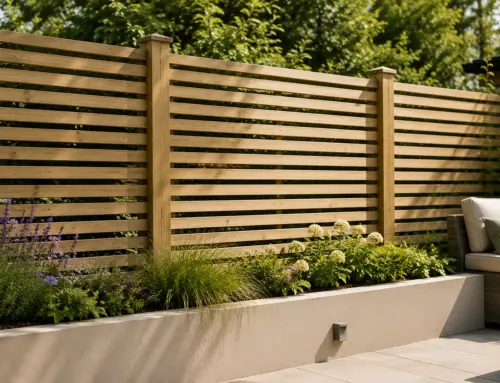

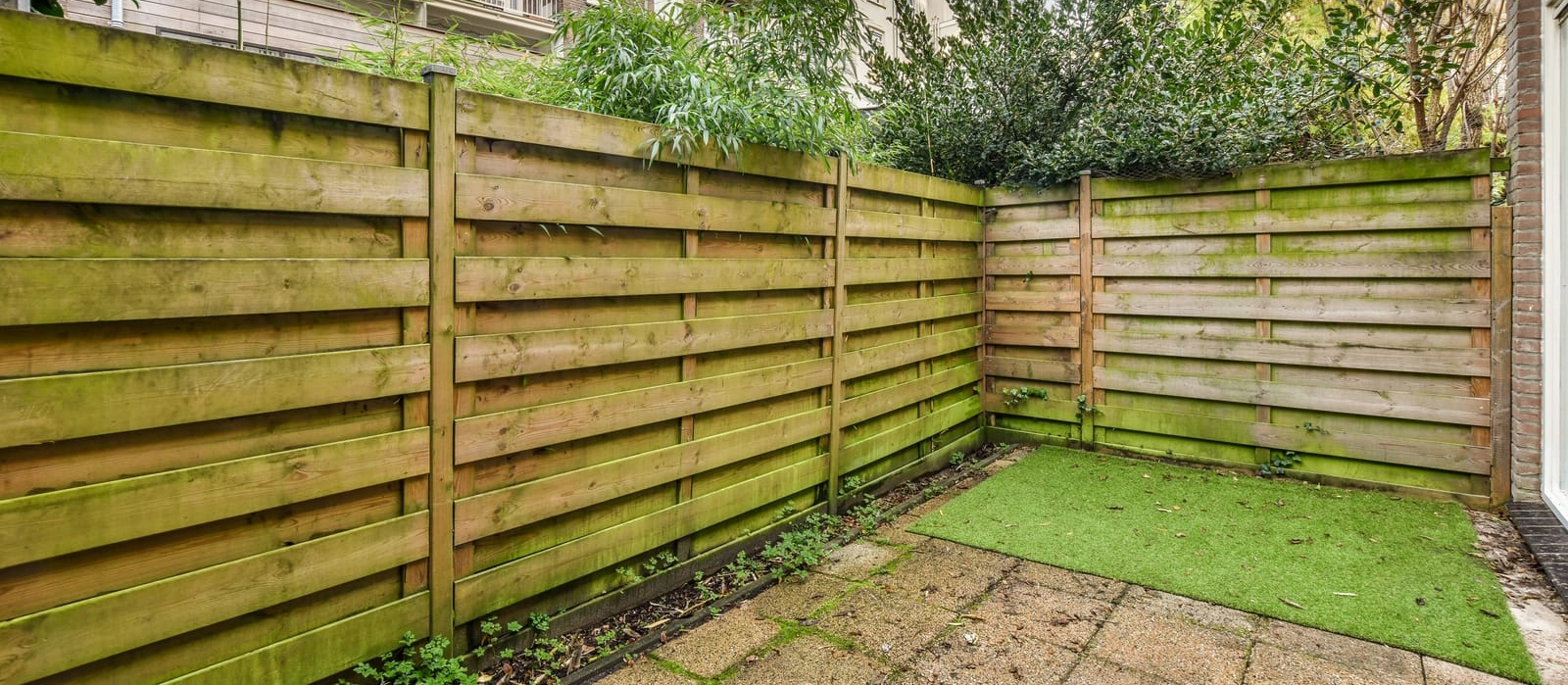
Summer is the season for garden builds, from planters and screens to benches and raised beds, and choosing the right timber is what determines whether those projects last a season or a decade. The best timber for an outdoor project is rarely the cheapest length on the rack, and understanding what to look for saves disappointment down the line. As a supplier of fencing and timber supplies in Clitheroe, we guide customers through timber choice constantly, because the right selection depends on the job, the exposure and how long you want the finished item to stand.
The single biggest factor is treatment. Timber that lives outdoors faces a relentless cycle of wetting and drying, and untreated softwood left exposed will not last. The way the timber is protected matters more than almost anything else.
Choosing Timber That Stands Up to the Outdoors
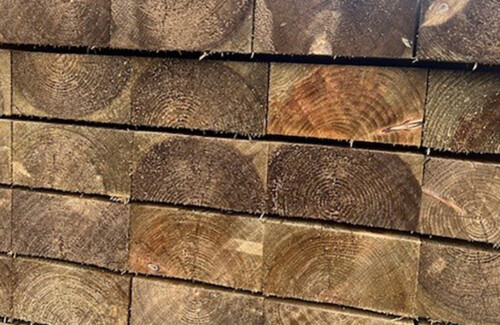
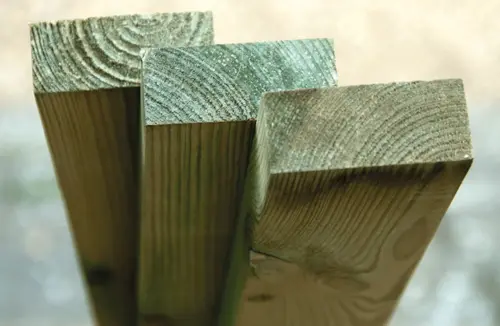
Pressure-treated timber is the default for outdoor work because the preservative is forced deep into the wood under pressure rather than brushed onto the surface. That depth of protection is what lets a fence post, a planter or a bench frame resist rot through years of damp. For Lancashire gardens, where rain is frequent and ground often stays wet, this matters even more than in drier regions. Our timber range is built around outdoor durability, and the case for treatment is laid out in our piece on why pressure-treated timber lasts longer. Taking the time to choose the right grade and finish for each part of a build, rather than buying one section for everything, is what separates a project that lasts from one that disappoints, and it costs nothing but a little thought at the ordering stage.
Rough Sawn, Planed and Their Uses
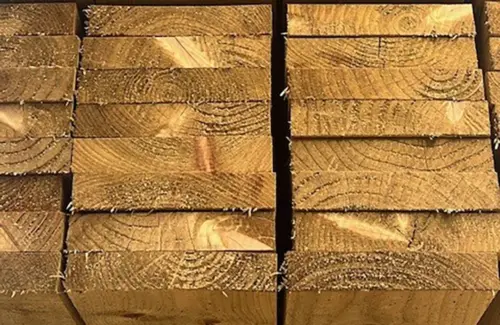
Timber comes in different finishes, and the right one depends on the job. Rough sawn timber, with its sawn surface and full dimensions, suits structural and utility work where strength and economy matter more than appearance, such as frames, posts and the hidden parts of a build. Planed timber, smoothed on its faces, suits visible work where a clean finish counts, such as a planter front or a bench you sit on. Our guidance on timber types explains the differences and helps you pick the right finish for each part of a project.
Boards, Posts and Sleepers
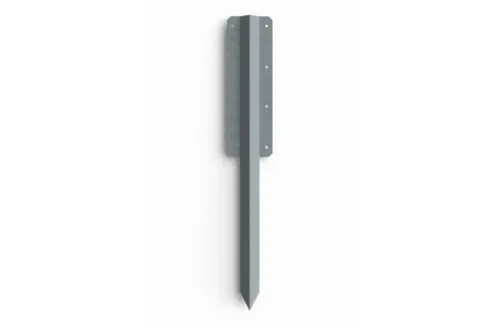
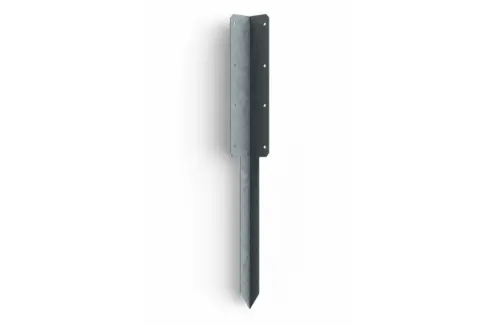
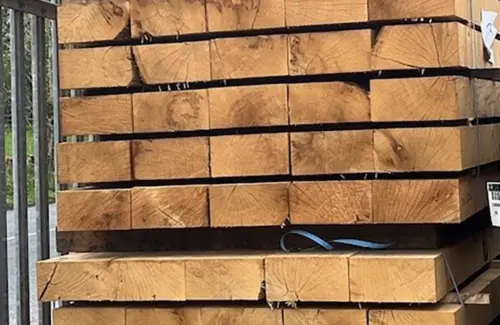
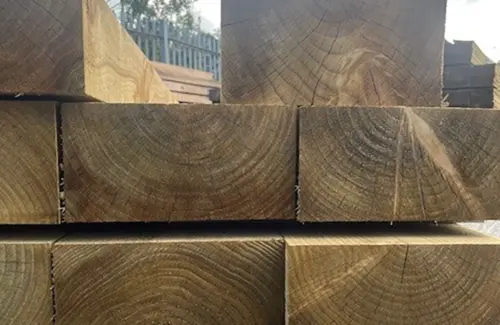
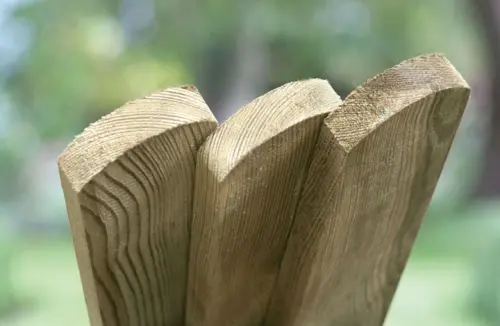
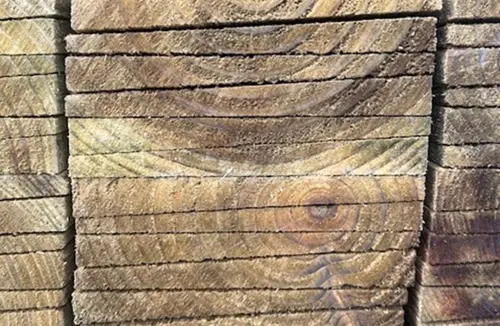
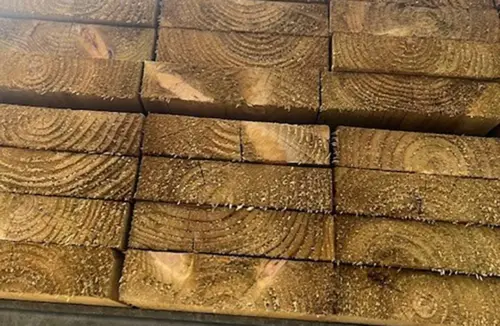
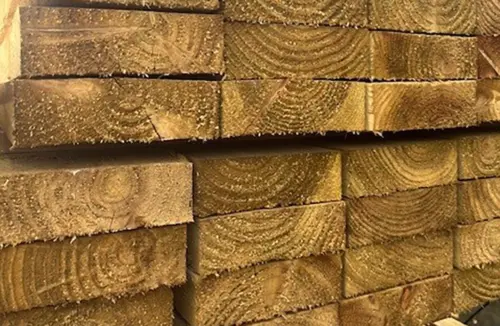
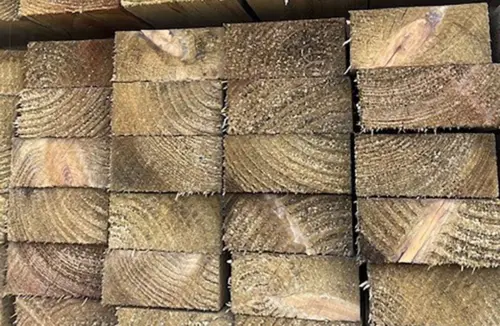
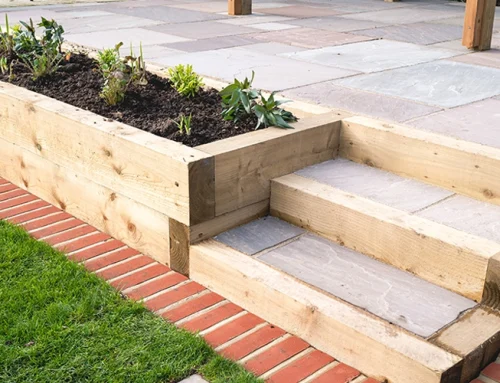
Different projects call for different sections of timber. Planters and cladding use timber boards, structural supports and stakes use timber posts, and raised beds, steps and retaining use the heavier timber sleepers. A single summer project often combines two or three of these, and sourcing them together from one supplier keeps the materials coordinated and the order simple.
Matching Timber to Exposure
Where a piece of timber sits affects how hard it works. Timber in contact with the ground, or near it, faces the most moisture and benefits from the heaviest protection, while timber kept clear of the ground and able to dry between showers has an easier life. Designing a project so that timber drains and dries, rather than sitting in standing water, extends its life regardless of treatment. This is the same principle that keeps fence posts and deck frames sound.
Treating and Maintaining Your Build
Even pressure-treated timber benefits from a surface coat of treatment, oil or stain, which guards against the bleaching of summer sun and adds a water-shedding layer on top of the base protection. Re-treating when the surface starts to look dry keeps a project looking fresh and extends its working life, and the small effort pays back over the years the timber stands.
Buying the Right Quantity
Working out quantities before you order saves both money and the delay of a second trip. Sketch the project, list the lengths and sections each part needs, and add a modest allowance for cuts and the occasional flawed end. Buying the full list in one order keeps the timber from a consistent batch, which matters for appearance on visible work, and means everything arrives together ready to build rather than a project stalled waiting on one missing section.
Storing Timber Before You Build
Timber that sits badly stored before use can warp and twist, undoing a careful order. Keeping it flat, off the ground on bearers, and under a cover that still lets air move keeps it true until you are ready. This matters most for boards and longer lengths, which distort fastest if left leaning or lying on wet ground. A day or two of proper storage protects the timber you have paid for and makes the build go smoothly.
Working With the Grain and Movement
All timber moves a little as it wets and dries, and designing with that in mind gives a project that copes rather than splits. Leaving small gaps where boards meet, fixing in a way that allows slight movement, and orienting timber so water runs off rather than sitting in joints all help. These habits, the same ones that keep a fence or a deck sound, turn a summer build into one that still looks right several seasons on.
If you would like help choosing the right timber for a summer project, call us on 01200 449930 and tell us what you are building. We offer free delivery on orders over £150 across all BB postcode areas, so your timber can arrive in a single order ready to work. Chosen, stored and worked with a little care, good timber turns a summer afternoon’s work into a garden feature that still looks right several seasons on.