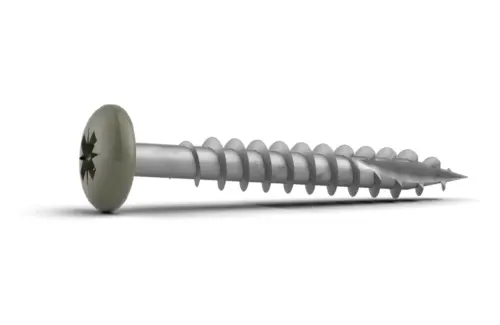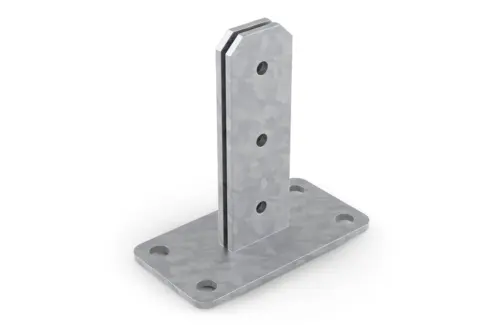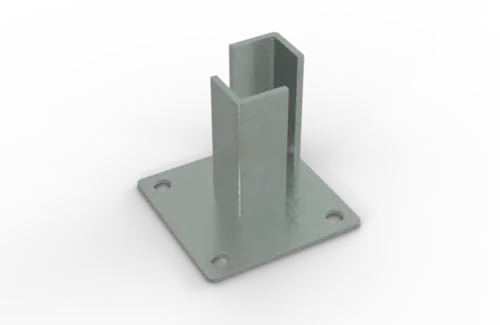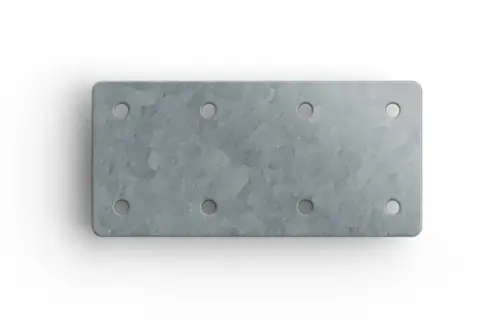

Concrete anchor bolts are what you need the moment a garden project meets a surface you cannot dig into. That happens more often than people plan for. A fence line that runs along the edge of a drive, a bench on a patio that shifts every time somebody sits at one end, a post support on a concrete base, a gate post against an existing slab. In each case the traditional approach of digging a hole is unavailable, and the answer is a mechanical fixing into the concrete itself. We supply them in a range of sizes as part of our fencing and timber supplies in Clitheroe.
How a screw-in concrete anchor works
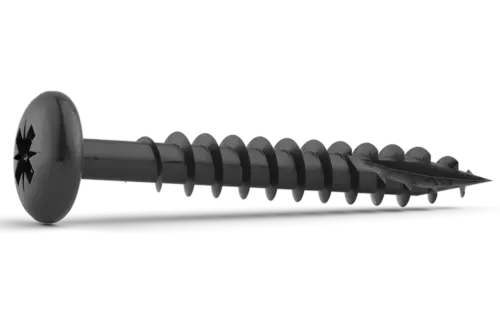
The type we stock cuts its own thread into a pre-drilled hole in the concrete, rather than expanding against the sides of the hole the way an older-style expansion bolt does. You drill a hole to the specified diameter and depth, clear the dust out, and drive the bolt in. The thread bites into the material and holds.
The advantages over expansion fixings are worth understanding. They can be used closer to an edge, because they are not exerting outward pressure that could split the concrete. They can generally be removed and, if necessary, refitted. And they are far quicker, since there is no plug to seat and nothing to expand.
The disadvantage is that they are entirely dependent on the hole being right. The hole diameter, the hole depth and the cleanliness of the hole all matter, and getting any of them wrong significantly reduces what the fixing will hold.
Getting the hole right
Drill the specified diameter for the bolt size, not the nearest bit in the case. Too small and you will strain or snap the bolt driving it. Too large and the thread has nothing to grip.
Drill deeper than the length of the bolt that will be embedded. Dust and debris accumulate at the bottom of the hole as you drill, and if the hole is exactly the right depth the bolt will bottom out on that debris before it is fully seated, leaving it apparently tight and actually barely holding.
Clear the hole out before fixing. Blowing it out or brushing it is the step that gets skipped and it makes a real difference, because a thread cutting into compacted dust is not cutting into concrete.
Choosing the size for the job
The three sizes cover different work. The shortest suits fixing something relatively light where the material behind is sound and the loads are modest, such as securing a batten or a light frame to a slab. The middle size covers most general garden fixing, including post supports and bench feet. The longest is for anything carrying real load or where you need depth to reach past a screed or surface layer into sound material behind.
The thing to think about is not the weight of what you are fixing but the loads acting on it. A picnic bench is heavy but the load on the fixings is mostly downward, which the ground handles. The load that matters comes when somebody sits on one end and the whole thing tries to tip, or when wind gets under a screen. Those are the loads that pull a fixing out, and they are the ones to size for.
Common garden applications
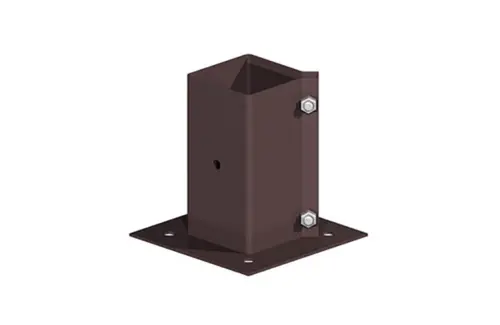
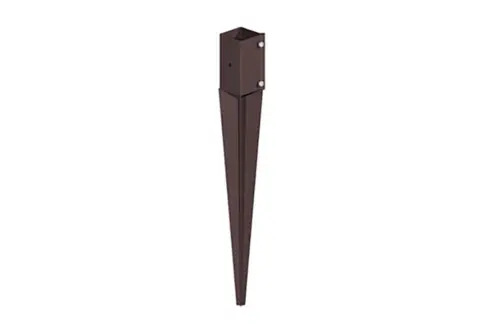
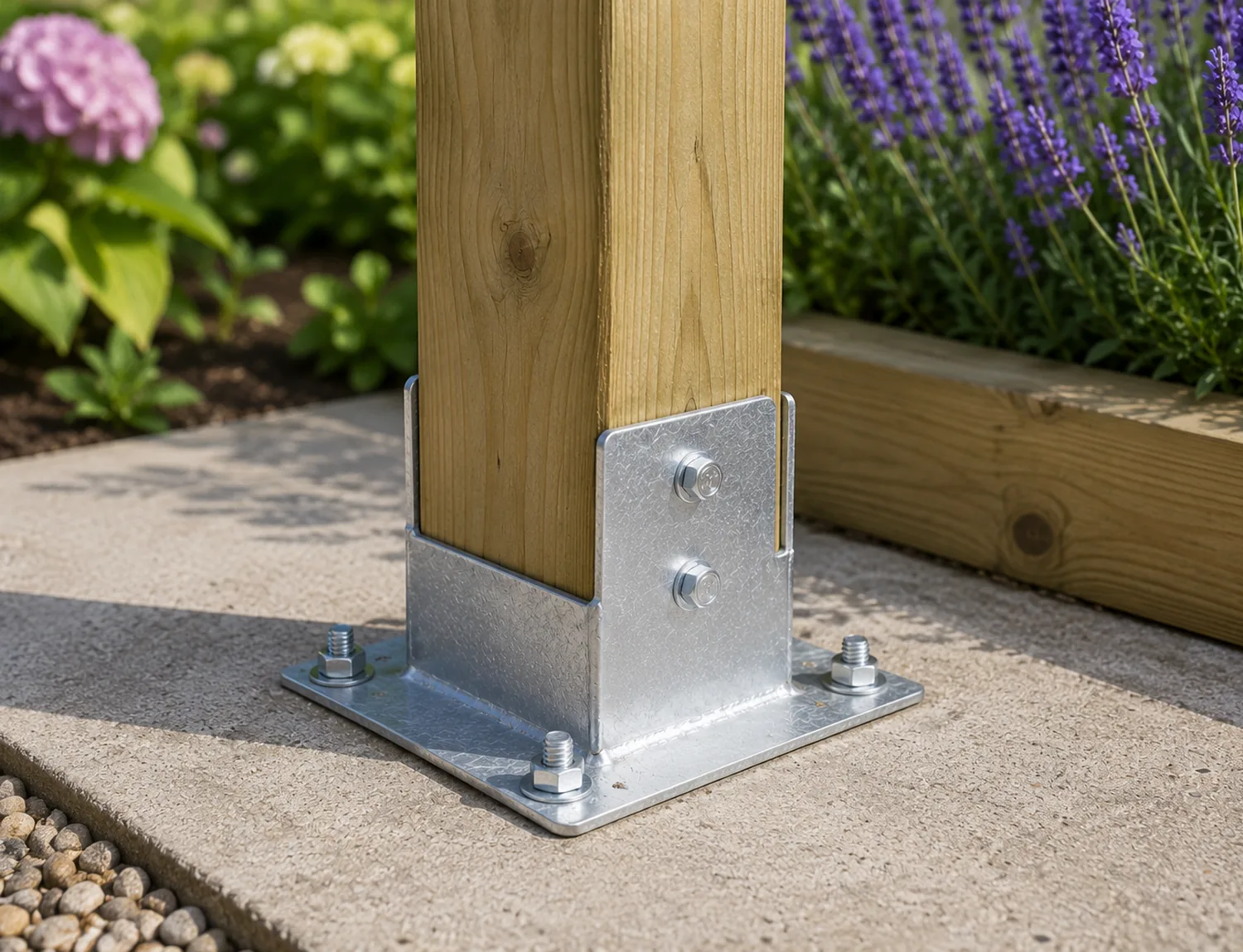
Bolt-down post supports are the most frequent use. Where a fence or a screen meets a concrete base, a bolt-down support lets a post stand without digging, and the anchors are what hold the support to the slab. The support is only as good as its fixings, so this is not the place to economise.
Securing outdoor furniture is the other common one. A picnic bench on a patio in a pub garden, a school yard or an exposed domestic garden benefits enormously from being anchored down, both for stability in use and because an unanchored bench in an accessible spot is portable in a way owners would rather it was not.
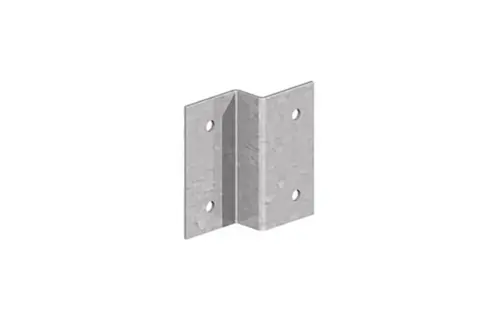
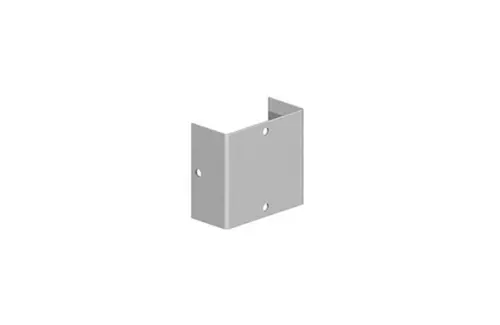
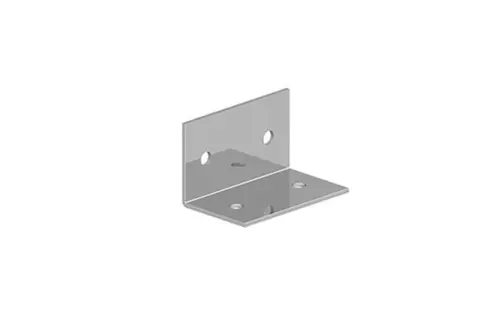
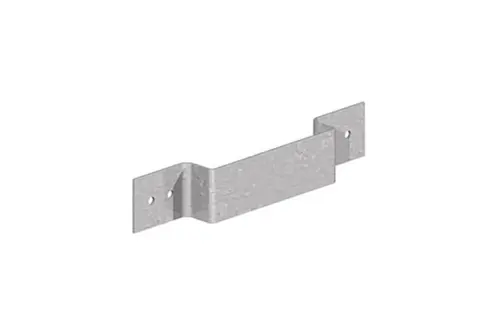
Beyond that, they handle gate post plates against walls, frames for stores and bin housings on hard standing, and anywhere a timber structure meets concrete.
Practical points that catch people out
Check what is under the surface before drilling. Drives and patios can conceal services, and a slab laid over a drainage run is not unusual. Anything you are unsure about is worth investigating first.
Concrete quality matters. A thin, poorly laid or crumbling slab will not hold a fixing regardless of the bolt used. If the drill goes through into loose material, stop and reconsider the whole approach rather than fitting a longer bolt and hoping.
Where a fixing is going into a face exposed to weather, water sitting around the head is inevitable, so keep an eye on those positions over time rather than fitting them and forgetting them.
Ordering with the rest of the job
Work out the fixing count per item and the size before ordering, and buy a few spare. Customers working on drives and patios around Simonstone fencing and towards Langho fencing generally take the anchors with the timber and the supports in one order.
They sit in our fixings and accessories range with the post supports and brackets, and work with our timber posts and outdoor furniture.
If you are not sure which size a job needs, ring 01200 449930 and describe what is being fixed and what it is being fixed to. Delivery is free on orders over £150 across all BB postcode areas.