
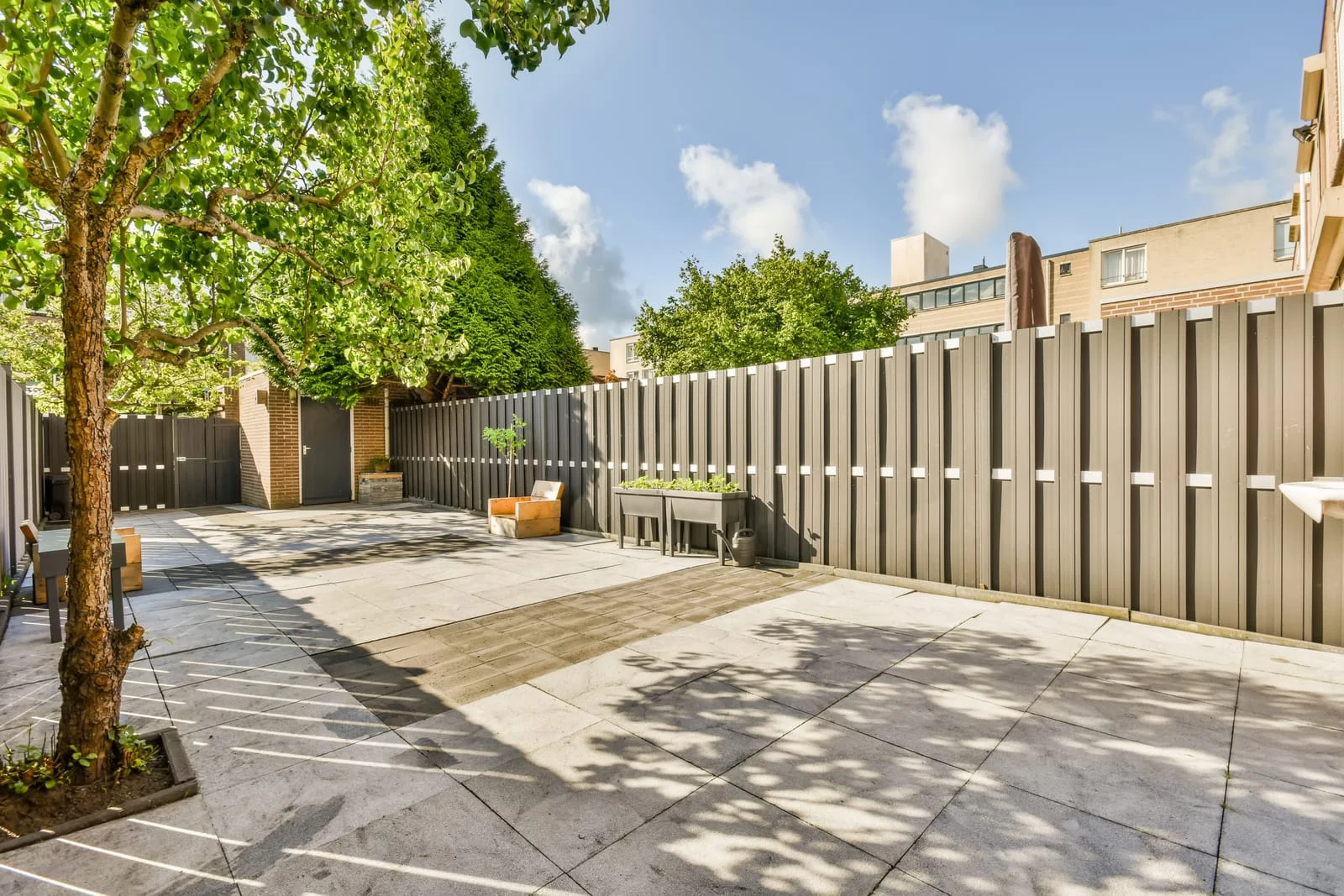
A summer garden makeover often starts at the boundary, because nothing transforms a garden faster than a fresh, sound fence line, and choosing the right fence panels sets the tone for everything else. The panel you pick affects privacy, light, shelter and the whole character of the space, so it is worth weighing the options before you buy. As a supplier of fencing and timber supplies in Clitheroe, we help customers across the Ribble Valley choose fence panels that suit both their garden and the often exposed conditions of a Lancashire boundary.
There is no single best panel, only the best panel for your situation. A sheltered town garden has different needs from an open rural plot, and matching the panel to the exposure is what gives a fence line that both looks right and lasts.
Matching the Panel to Your Garden
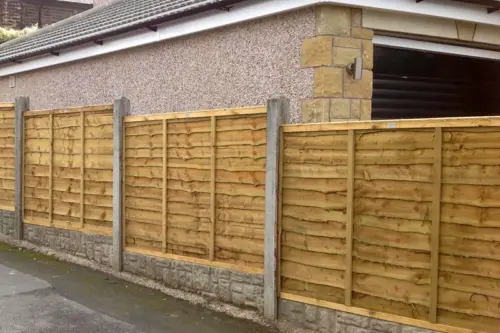
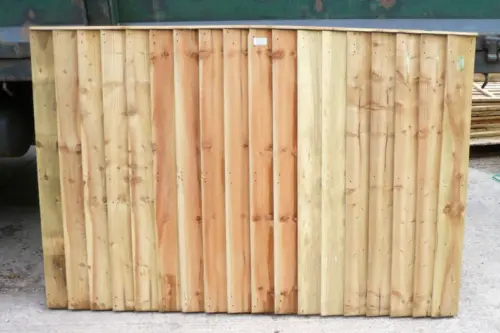
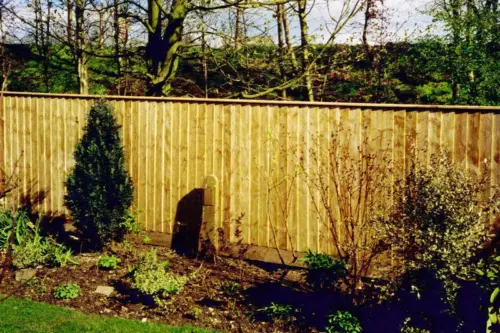
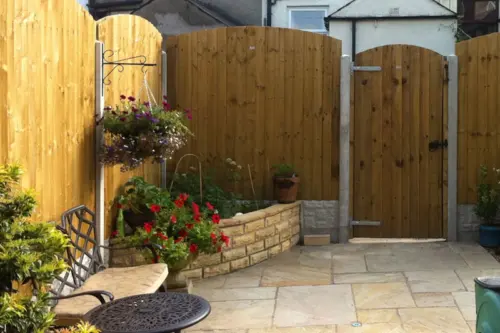
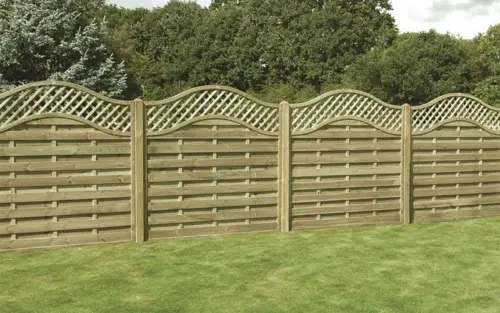
The first question is what you want the fence to do. For solid privacy and a clean, traditional look, overlap and feather edge panels are the mainstays, while decorative and trellis-topped panels trade a little privacy for light and style. Our traditional fence panels cover the solid, everyday options, and our range of decorative fence panels offers the more ornamental choices for a feature boundary. In Clitheroe fencing projects we see the full spread, from solid screens to lattice-topped panels that let light through. A boundary chosen with the garden’s exposure, the light you want to keep and the look you are after all in mind is one that still pleases years later, which is why a little thought at the planning stage is worth far more than rushing to the first panel that catches the eye.
Privacy and Height
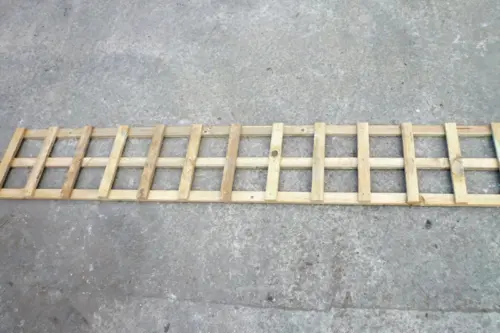
Most garden boundaries call for a full-height panel that screens the garden without towering over it, and our 6ft fence panels are the standard choice for a private, enclosed garden. If you want privacy without losing all the light, a panel with a trellis or lattice top lifts the height while keeping the upper section open, a balance many gardeners prefer. Around Whalley fencing jobs and similar village plots, this mix of solid lower panel and open top is a popular way to keep a garden private but bright.
Standing Up to Lancashire Weather
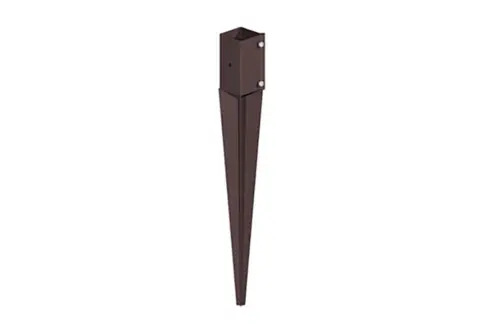
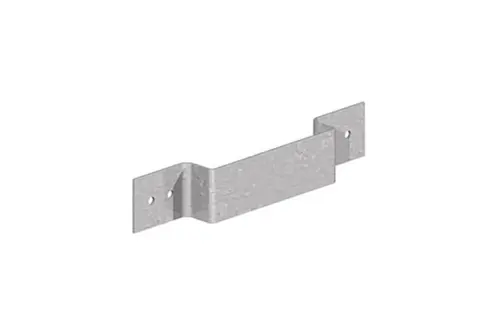
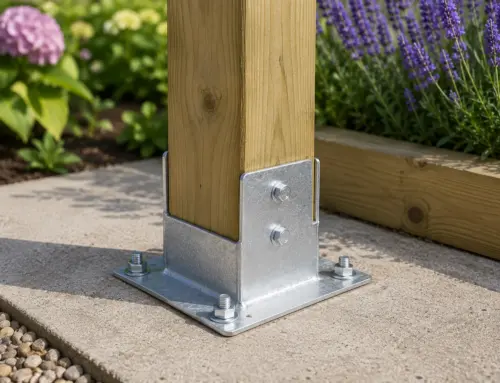
An exposed boundary takes a battering from wind and rain, so the panel and the posts behind it need to be up to it. A solid panel catches more wind than an open one, which puts more load on the posts, so the posts must be sound and well set. Our fence posts range provides the support a panel needs, and choosing the right post for an exposed site is as important as the panel itself. Gardens around Waddington fencing and the more open Ribble Valley plots feel the wind most, so robust posts matter.
Getting the Sizes Right
Measuring before you order avoids the frustration of panels that do not fit the run. Working out the number of panels and posts from the length of your boundary, and accounting for the post width between each panel, gives an accurate order. Our guide to fence panel sizes explained walks through the standard dimensions and how to measure a run properly.
Finishing the Look
The panel sets the style, but the finish completes it. Treating the panels, choosing a consistent post type and adding gravel boards at the base all contribute to a fence line that looks deliberate and lasts. A coordinated boundary lifts the whole garden and gives the summer makeover a strong frame.
Knowing the Common Panel Styles
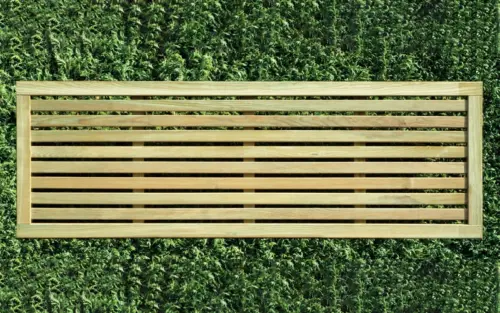
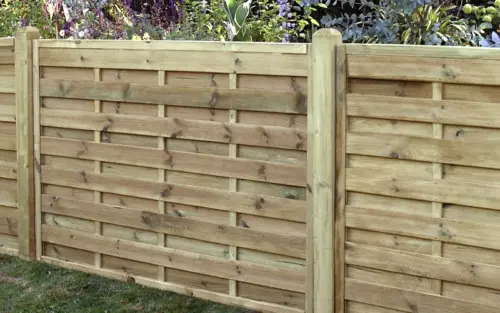
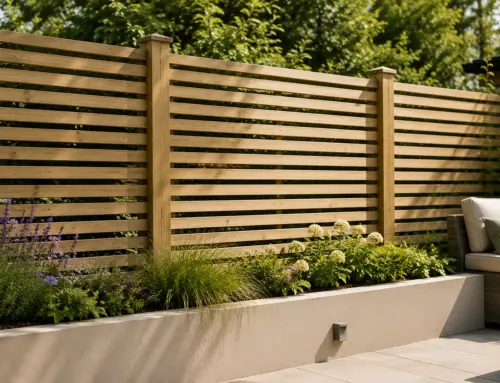
It helps to recognise the main types before you choose. Overlap and waney lap panels are the economical, familiar choice, feather edge panels offer a stronger, more vertical board look, and closeboard construction is among the most robust for exposed runs. Trellis-topped and lattice panels lift height while letting light through, and slatted or horizontal panels give a contemporary feel. Knowing the styles by name makes it far easier to picture the finished boundary and to match new panels to an existing run.
Posts and Gravel Boards Complete the Run
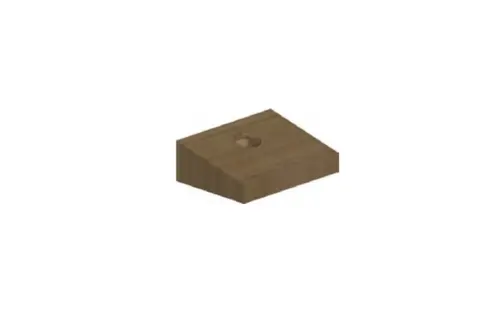
A panel is only part of a fence. The posts carry the load and set the spacing, and gravel boards at the base keep the panels clear of wet ground where rot begins. Choosing these alongside the panels, rather than as an afterthought, gives a coordinated boundary that lasts. A run built with sound posts and gravel boards stands straighter and longer than panels alone, so factoring them into the makeover from the start is money well spent.
Timing the Work for Summer
Summer is a practical time to refresh a boundary, with firm ground and dry spells for treating timber. Tackling the fence early in the season means it is sound and good-looking for the months the garden is used most, and any treatment has warm, dry conditions to cure in. Planning the makeover before the garden fills with summer activity, rather than working around it, makes the job easier and the result ready when you want to enjoy the space.
If you would like help choosing fence panels and working out quantities for your boundary, call us on 01200 449930. We offer free delivery on orders over £150 across all BB postcode areas, so a full fence makeover can reach your garden without added delivery cost. Choosing the panels, posts and gravel boards together gives a coordinated boundary that frames the garden and stands up to whatever a Lancashire summer brings.