
Timber post caps are the sort of item that gets left off an order because they look like decoration, and then gets bought individually three years later when the post tops have gone soft and grey and started to split. They are decoration, in fairness, and a fence line with capped posts looks finished in a way an uncapped one does not. But the reason to fit them is not how they look. It is that the top of a post is the single most vulnerable point on it, and a cap is the cheapest protection you will ever buy for it. We stock them as part of our fencing and timber supplies in Clitheroe alongside the posts themselves.
How water gets into a fence post from the top down
A timber post is a bundle of vertical fibres. Cut it across the grain and you expose thousands of open tube ends, all of them pointing straight up at the sky. Rain that lands on the side of a post runs off. Rain that lands on the sawn top is drawn straight down into the timber by capillary action, and it stays there. That is why a post almost always fails at the top and at ground level rather than in the middle, and why a post that looks perfect from three metres away can be soft enough to push a thumb into at the crown.
Pressure treatment helps considerably but does not solve it. Treatment is driven into the timber under pressure and penetrates the outer zone thoroughly, but a sawn end is still the most exposed face on the post. Worse, if a post has been cut to length on site, the fresh cut is untreated timber with no protection at all, and that cut face is usually the top. Any post cut down on site should have the cut end treated before anything else happens to it.
What repeated wetting and drying actually does
The damage is not simply rot. Water taken into the end grain swells the fibres, the sun dries them and they shrink back, and doing that a few hundred times opens splits that run down from the top. Those splits then hold water for longer than the surface would, and the cycle accelerates. In a Lancashire winter you can add freezing to it, which widens the splits further. Cap the post and you break the cycle at the start, because the rain never sits on the end grain in the first place.
Matching a cap to the post you have
Caps are sized to the post, so the first thing to establish is what you actually have in the ground. Nominal sizes and actual sizes are not always the same, particularly with rough sawn timber, where the finished section can vary slightly from the stated size. Measure an existing post across both faces rather than assuming, especially if the fence went in some years ago.
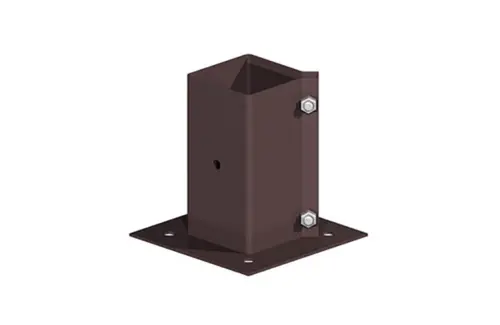
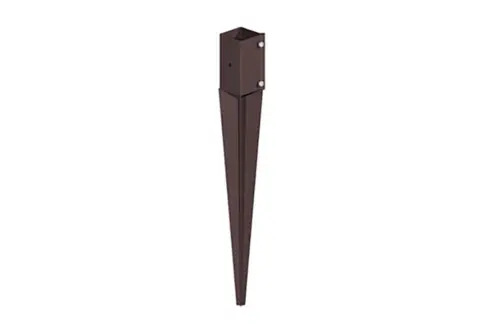
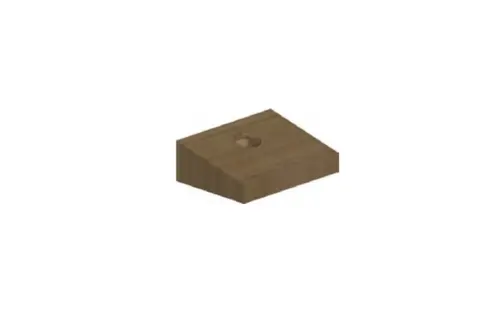
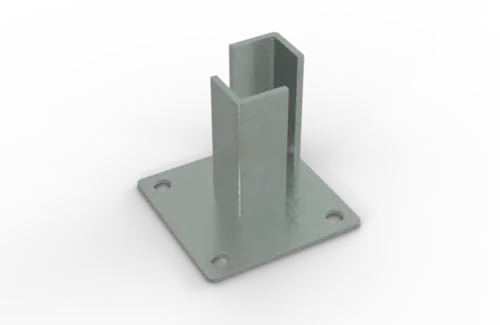
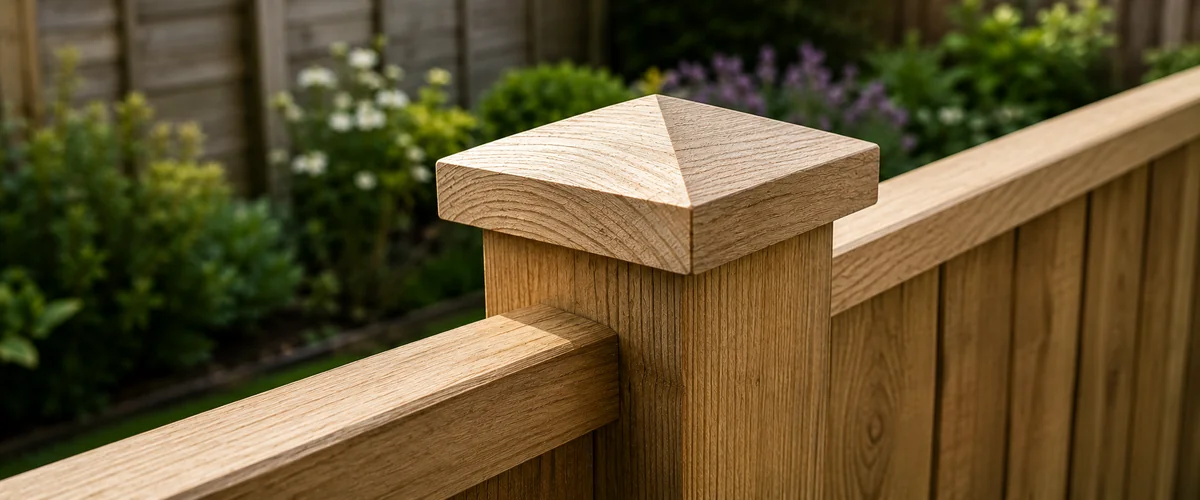
Our timber caps suit the standard domestic post sections we supply. If you are running the Durapost steel system rather than timber, that has its own caps designed to fit the profile, and the two are not interchangeable. Anyone mixing systems along a boundary, which happens more often than you would think where a run has been replaced in sections, will need both.
Fitting a cap so it sheds water properly
A cap only works if water runs off it and away rather than sitting on it or tracking back underneath. Fit it so it sits flat and full on the post top with no rock, because a cap sitting on a high corner leaves a gap that draws water in and holds it against the very surface you are trying to protect. If the post top is not square, dress it flat first.
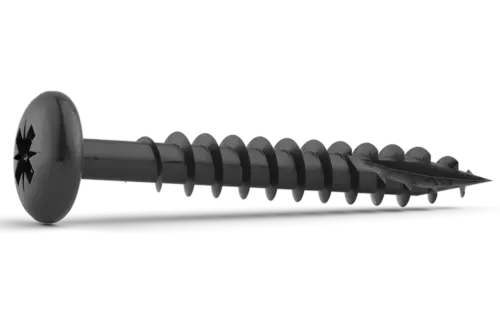
Where a cap overhangs the post slightly, that overhang is doing real work, throwing water clear of the post face rather than letting it run down the side. Fix through the cap rather than relying on a friction fit, because a cap that lifts in a gale and is not noticed for a fortnight has been letting water straight in for a fortnight. Use a fixing suited to outdoor use rather than whatever is in the tin, since a rusting fixing will stain the timber and eventually fail.
Gate posts and feature posts
Gate posts are worth capping first if you are only doing some. They are usually the largest section on the boundary, they carry the most load, they are the most expensive to replace, and replacing one means taking the gate off. A gate post that softens at the top will start to allow movement in the top hinge long before it looks like it is failing.
Corner posts and any post that stands proud of the line for visual effect are the others worth prioritising, partly because they are exposed on more faces and partly because they are the ones people look at.
Ordering caps with a new fence
The straightforward approach is to count the posts and order that many caps at the same time. They are small, light and inexpensive relative to the posts, and fitting them while the fence is going up takes seconds per post against a proper job later on. Customers replacing boundaries around Burnley fencing and Padiham fencing increasingly add them as standard rather than as an afterthought.
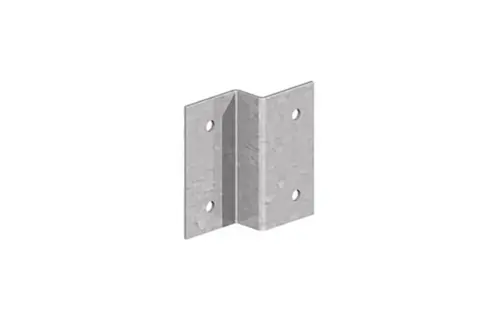
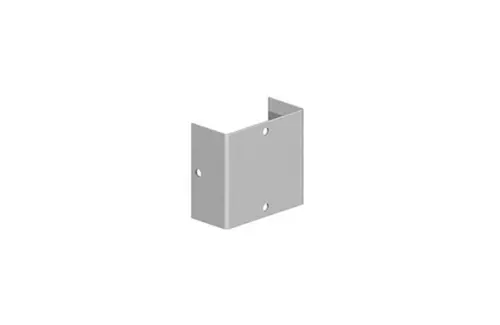
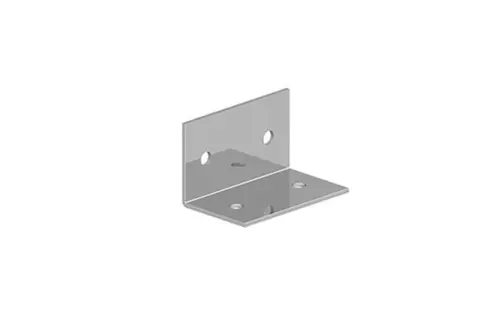
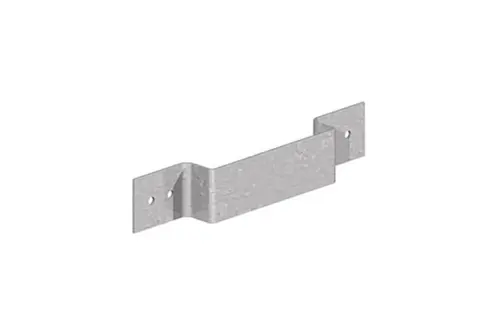
They sit in our fixings and accessories range alongside the clips, brackets and supports, and pair with the fence posts and timber posts sections.
If you are not certain which size suits the posts you already have, measure across the top and ring 01200 449930 with the figure. Delivery is free on orders over £150 across all BB postcode areas, so caps are worth adding to a timber order rather than ordering alone.