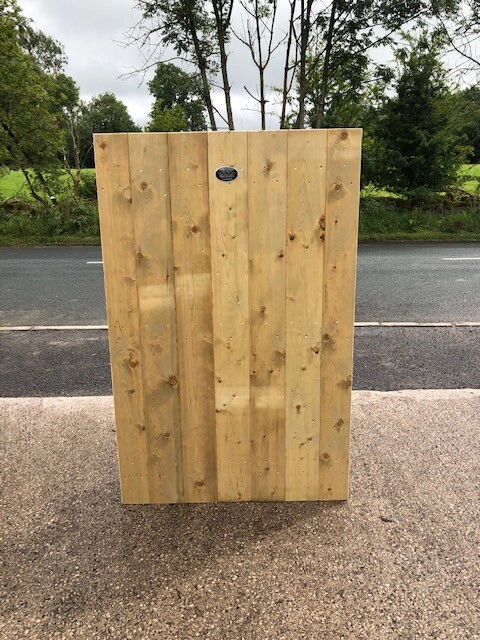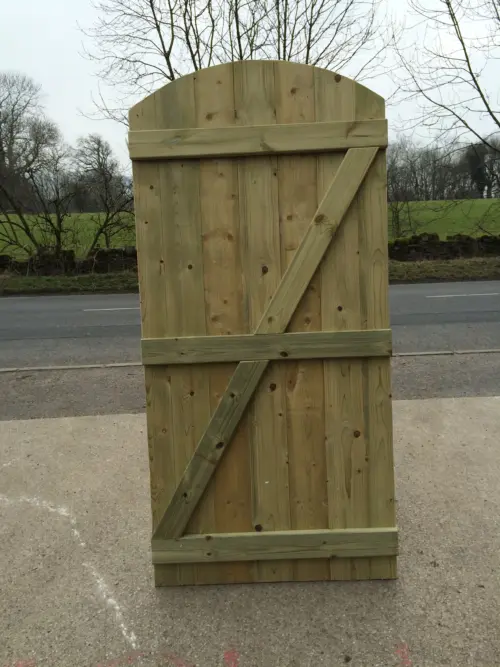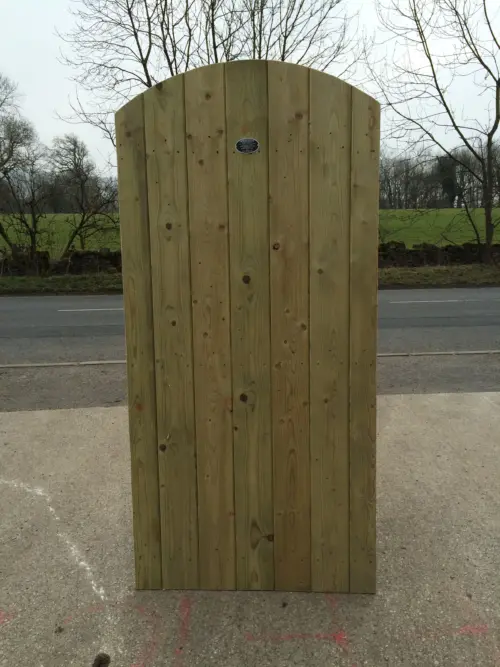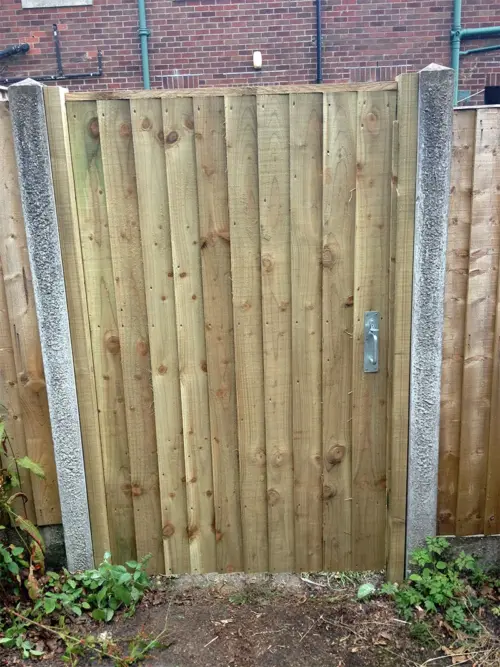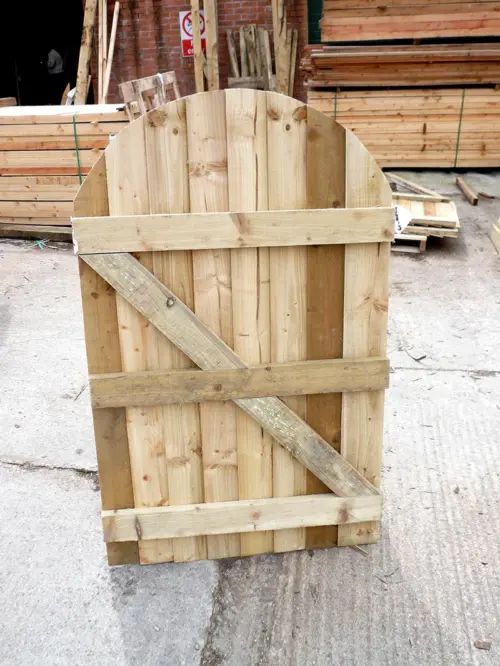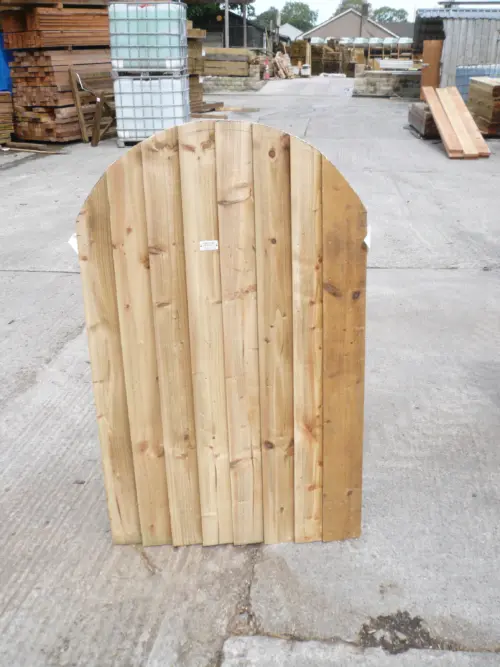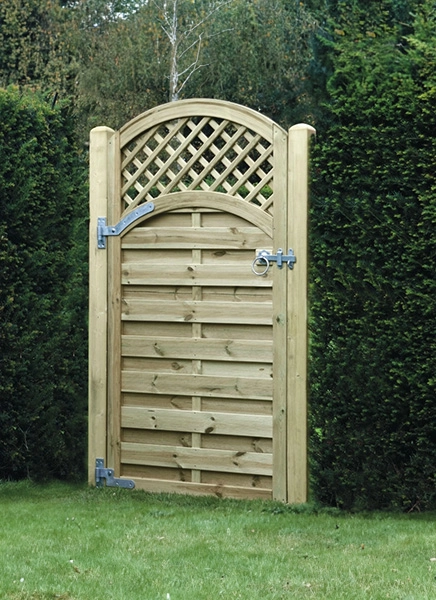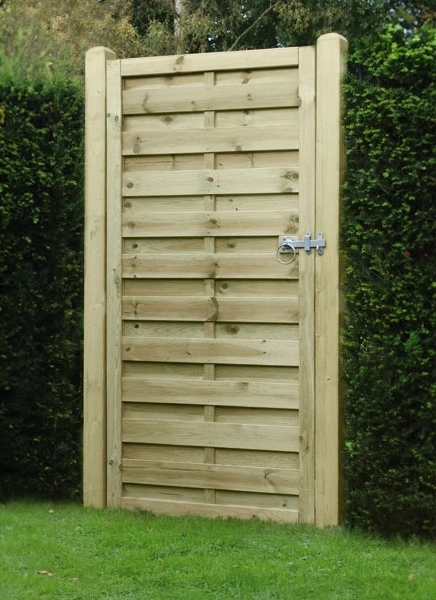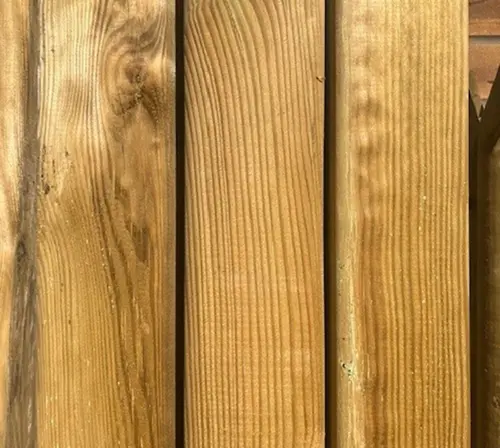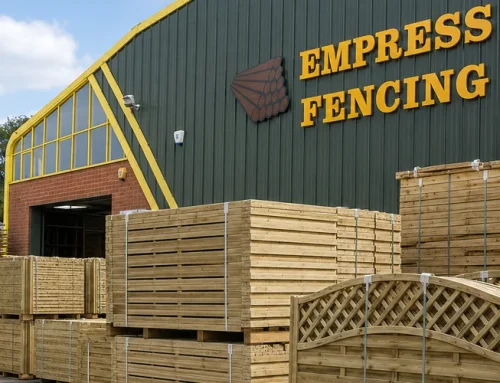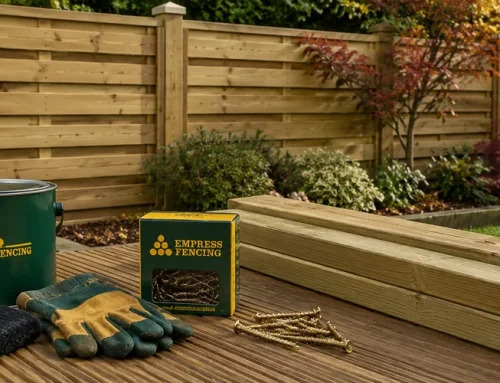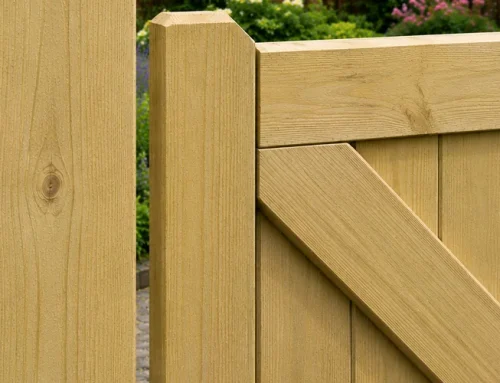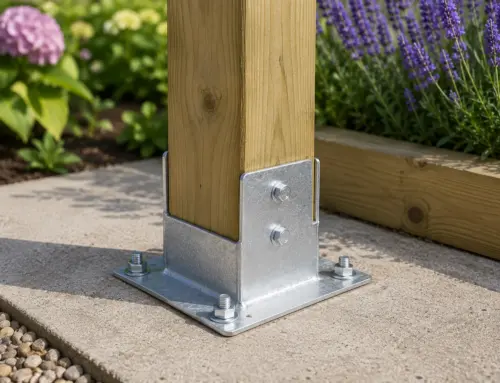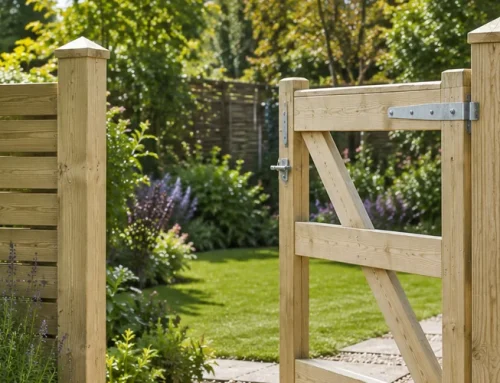

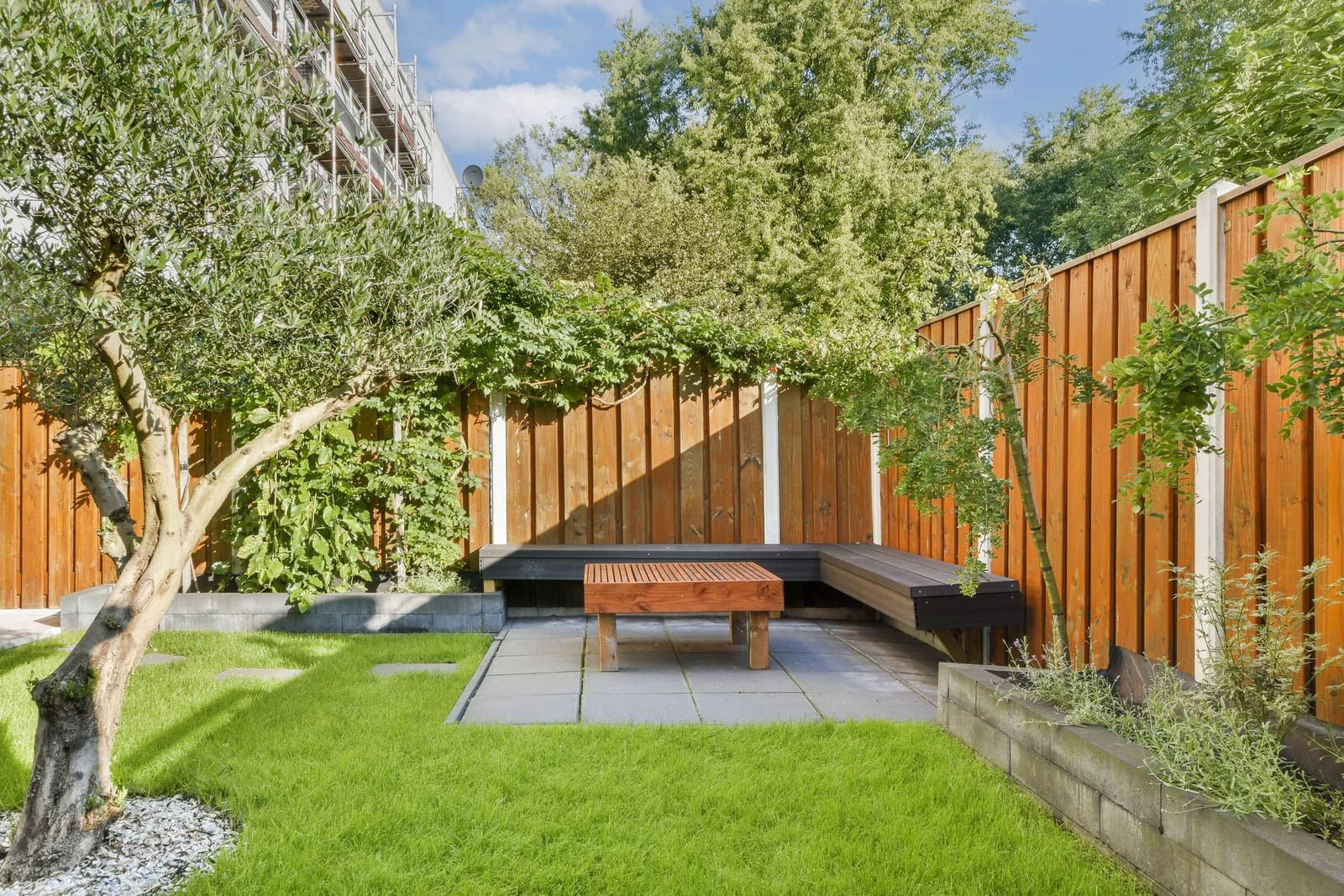
While fencing is primarily designed to create boundaries, it can also contribute to the overall design of a garden. Decorative fence panels offer a stylish alternative to traditional fencing and can enhance the visual character of an outdoor space. Modern garden designs often incorporate panels with unique patterns, curved tops, or lattice sections. These decorative features add interest while still maintaining privacy and structure within the garden. Decorative fencing can also help divide different areas of a garden. For example, panels may be used to create separate spaces for seating areas, vegetable gardens, or pathways. Another advantage of decorative fence panels is that they complement contemporary landscaping styles. Combined with features such as raised beds, decking, or garden lighting, decorative fencing can contribute to a cohesive outdoor design. Choosing the right fencing style helps ensure that the boundary not only serves its practical purpose but also enhances the overall appearance of the garden.
Why decorative fence panels matter in modern gardens
Decorative Fence Panels for Modern Gardens are more than mere barriers. They function as architectural elements that frame views, create rhythm, and influence how space feels. In smaller urban plots, eye-catching panels can visually expand the area by adding vertical interest and drawing the eye along a carefully planned path. In larger plots, decorative panels help segment zones without completely cutting off sightlines, preserving a sense of openness while providing privacy where needed. The right panels can also echo other design features, such as the tones of fencing posts or the materials used in garden gates.
Exploring styles – patterns, curves, and lattice
Modern decorative fencing comes in a variety of styles to suit different tastes and landscapes. Some popular options include:
- Patterns and silhouettes: Panels with cut-out shapes, floral motifs, or geometric designs add charm while keeping permeability for light and air.
- Curved tops: A gentle arc at the top of panels softens a straight-line fence and complements rounded garden beds or curved walkways.
- Lattice sections: A lattice insert or full lattice panels introduce a delicate texture that invites climbing plants and creates visual depth.
When selecting Decorative Fence Panels for Modern Gardens, consider how the pattern interacts with neighbouring garden features, such as 6ft fence panels that provide a defined boundary without feeling imposing. The right pattern can balance privacy with an inviting, breathable feel.
Practical benefits – privacy, boundary definition, and division of space
Decorative panels maintain the essential functions of fencing while enhancing aesthetic appeal. They provide:
- Privacy control: Spaced designs and panel density can be chosen to suit desired levels of screening.
- Boundary definition: Stylish panels clearly delineate property lines and garden zones.
- Spatial division: Panels act as room dividers within the garden, guiding movement and defining areas for seating, play, or growth.
For example, panels can separate a seating area from a vegetable garden or mark a transition between a gravel path and a lawn. This approach helps create curated experiences within the same outdoor space.
Complementing other garden features
A cohesive garden design often blends fencing with other features:
- Fence Posts: The choice of fence posts – whether slim, chunky, wood grain, or painted – can influence the overall look. Coordinating posts with the panel style ensures a harmonious line.
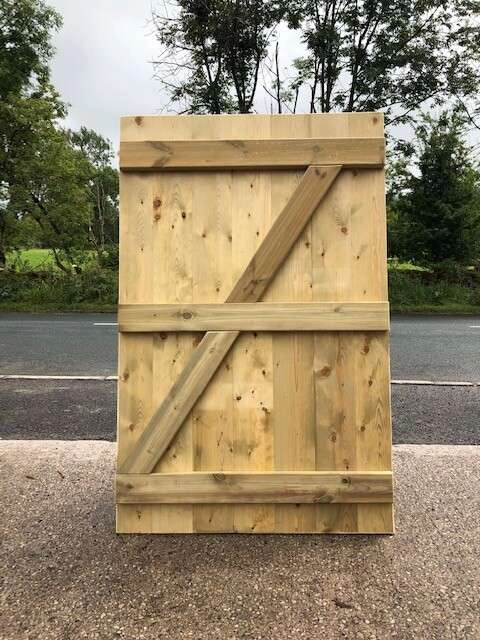
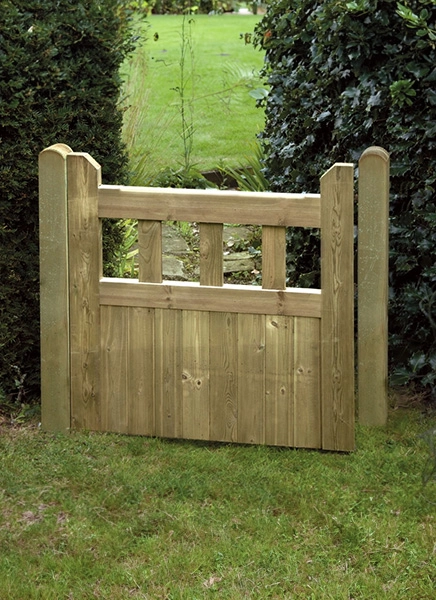
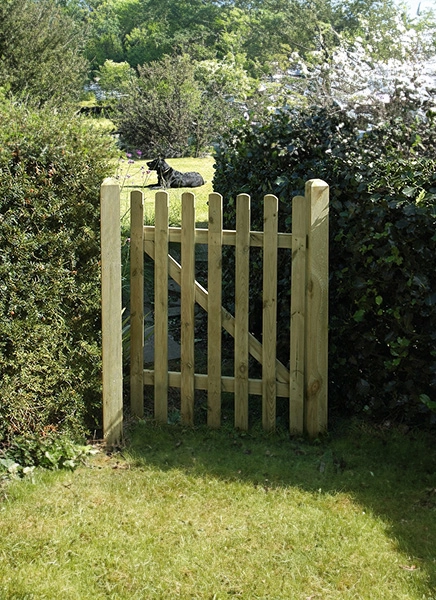
- Decorative Garden Gates and Traditional Garden Gates: Gates are architectural focal points. decorative garden gates can mirror the panel design to create unity, while Traditional garden gates lend a timeless charm that complements both classic and contemporary landscapes.
- Raised beds and decking: Panels work well alongside raised beds, providing a tidy backdrop and helping to define growing zones. Decking benefits from decorative fencing to frame outdoor rooms and create a seamless transition from house to garden.
- Garden lighting: Lighting along decorative panels highlights silhouettes at night, adds mood, and improves safety on pathways and steps.
Material choices and maintenance considerations
Decorative fence panels come in a range of materials, from traditional timber to modern composites and metal options. Each material offers distinct aesthetics and maintenance needs:
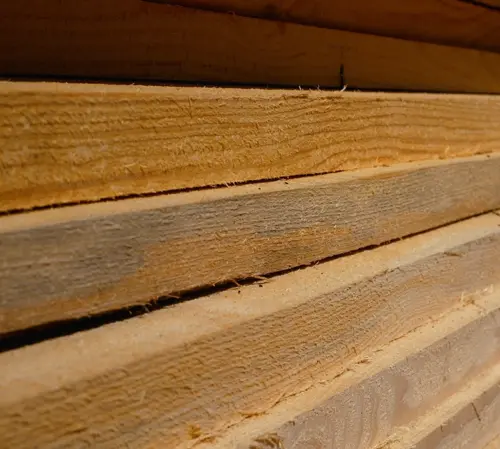
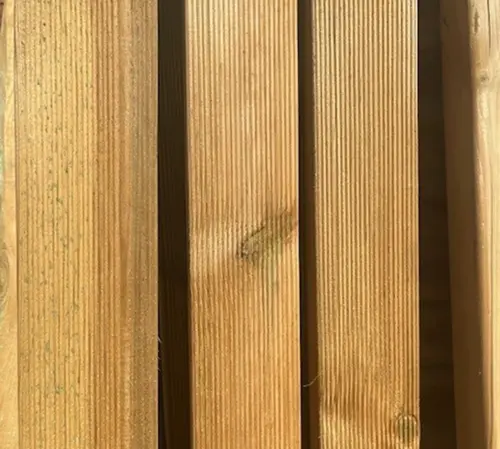
- Timber panels: Classic warmth and natural texture, with options for staining or painting to match existing trim or garden furniture.
- Composite panels: Low-maintenance, weather-resistant, and available in several colours that resist fading.
- Metal panels: Sleek, contemporary looks with high durability; can be powder-coated to resist corrosion.
Maintenance is straightforward but important. Regular cleaning, checking for loose posts, and timely treatment (stain, sealant, or paint) extend the life of the fence and keep the design looking fresh.
Installation tips for a polished result
To achieve a professional, polished appearance with Decorative Fence Panels for Modern Gardens:
- Plan the layout: Mark boundaries and align panels with paths or plant beds for a cohesive rhythm.
- Choose the right height: 6ft fence panels are commonly used for privacy and enclosure, but consider lower heights for decorative purposes or visual openness in certain areas.
- Align with gates: Pair decorative fence panels with Decorative Garden Gates or Traditional Garden Gates that echo the panel design for a unified look.
- Ensure level posts: A level, plumb post line is essential for a straight, clean fence line. Use post spikes or concrete to secure posts firmly.
- Consider landscaping integration: Plant climbers on lattice panels or train vines along the fence to soften edges and create living privacy.
Real-world design ideas
- Winding garden path: Use curved-top panels to enclose a meandering path, with lattice sections where climbing roses can thrive, creating a romantic, garden-room feel.
- Courtyard retreat: Install panels around a small seating area or courtyard, using high-quality fence posts and a decorative gate to complete the sense of enclosure.
- Kitchen garden boundary: Define a vegetable plot with decorative panels that are tall enough to deter curious paws but visually lighter than solid fencing, keeping the space bright and welcoming.
- Contemporary border: Mix kiln-dried timber panels with metal or composite options for a modern contrast that still feels natural and warm.
Decorative Fence Panels for Modern Gardens offer a versatile and stylish way to redefine outdoor spaces. They provide the essential function of boundary creation while elevating garden aesthetics through patterns, curves, and lattice work. By carefully selecting decorative fence panels, alongside appropriate Fence Posts and a well-chosen Decorative Garden Gate or Traditional Garden Gate, you can craft a cohesive look that complements raised beds, decking, and garden lighting. The result is a garden that is not only private and structured but also visually engaging and inviting. Whether you aim for a serene retreat or a contemporary outdoor room, decorative fencing can be the unifying element that ties your landscape together.