
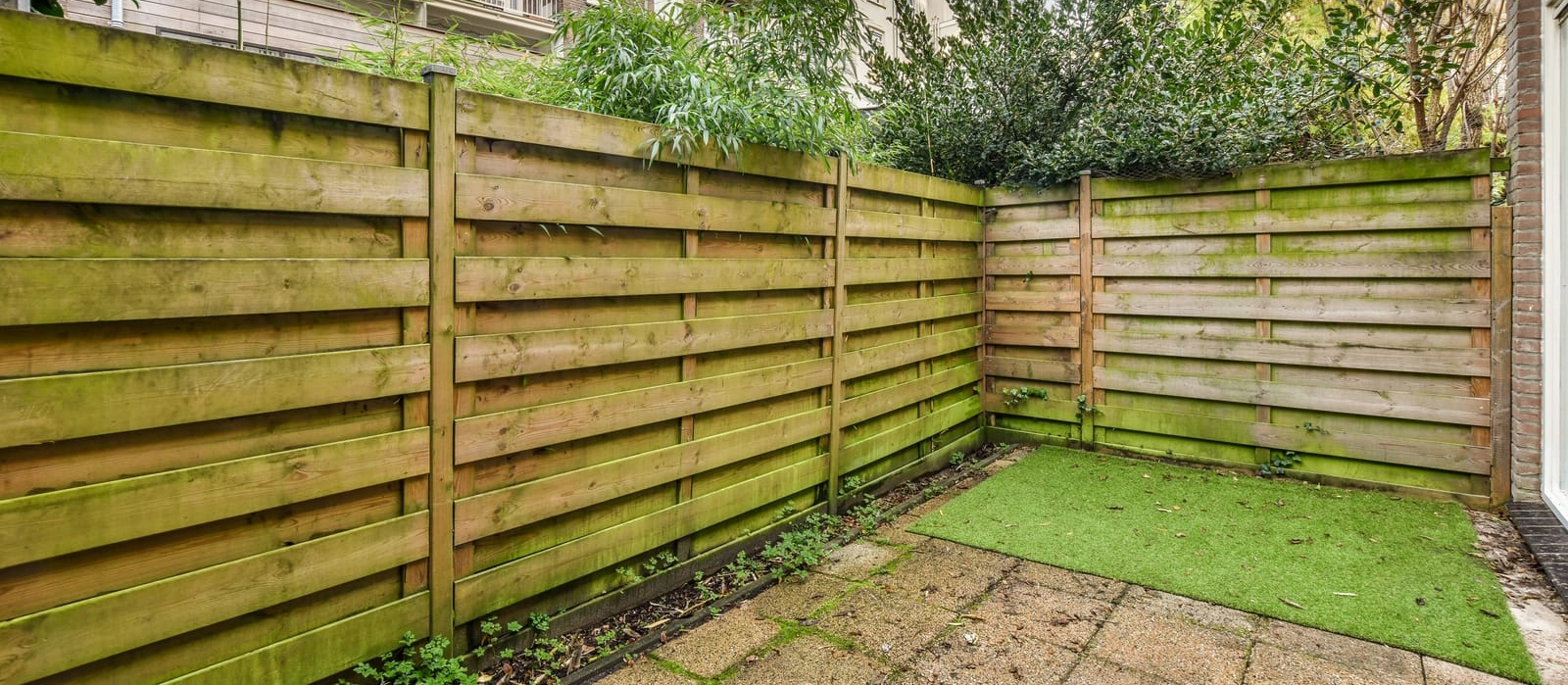
At Empress Fencing, we’re frequently asked which fence post option to choose: timber posts or Durapost steel posts? Both have their place, and the right choice depends on your project goals, budget, and site conditions. In this guide, we’ll break down the pros and cons of timber fence posts and Durapost steel posts, compare long-term costs, and help you decide which option best fits your garden, whether you’re building from scratch or refreshing an existing fence.
Why the post matters
The fence posts are the backbone of any panel fence. They support the panels, determine the fence’s stability, and influence maintenance needs over the years. Choosing the right material can affect aesthetics, durability, and total cost of ownership. With Durapost vs timber fence posts, the decision often comes down to balancing initial price against long-term performance and the specifics of your site.
In this article, we’ll cover:
- Timber fence posts: advantages, treatment, and maintenance
- Durapost steel posts: longevity, installation, and guarantees
- Cost considerations: upfront vs long-term value
- Site considerations: slope, soil, and existing structures
- A practical decision framework to help you choose
Keywords to keep in mind as you read: “Durapost vs Timber Fence Posts – Which Should You Choose?”, “Empress Fencing”.
Timber fence posts – natural, traditional, and cost-aware
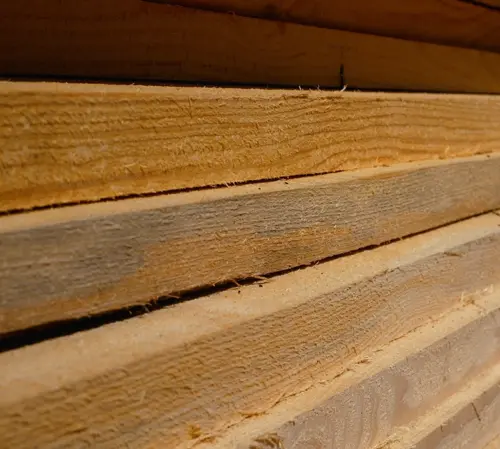
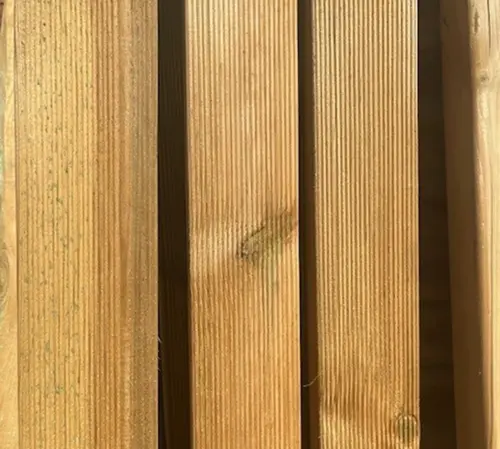
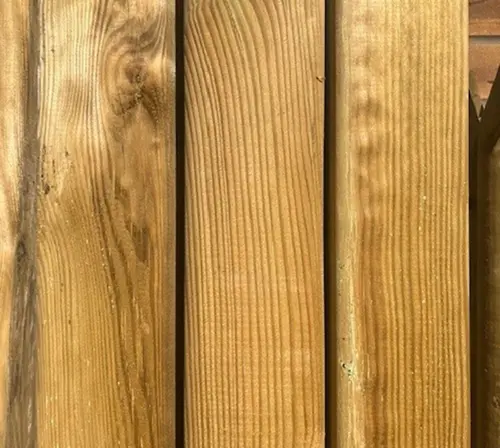
Timber has been the go-to choice for fence posts for generations. It offers a natural look that blends seamlessly with wooden panels, a straightforward installation process, and typically lower upfront costs. At Empress Fencing, we supply high-quality timber posts in a range of sizes to suit standard fence panel widths, making it easy to match your existing panels.
Benefits of timber posts
- Aesthetics: natural warmth that pairs well with timber or decorative panels.
- Workability: easy to cut, drill, and fix with standard fittings.
- Upfront cost: generally more affordable to purchase than steel options.
- Availability: wide range of sizes and profiles to fit common panel dimensions.
Common drawbacks and how to mitigate them
- Rot and moisture risk: The base of timber posts is the most vulnerable area, where soil moisture can cause rot.
- Maintenance: Timber requires periodic maintenance to extend its life.
Practical tips to extend timber post life
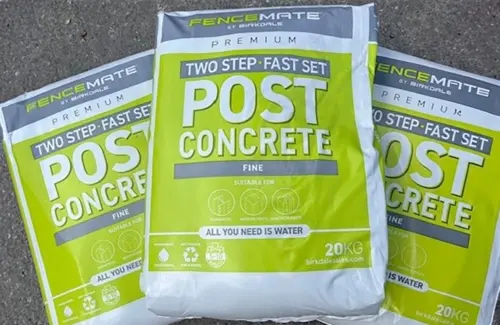
- Use a concrete spur or post mix to stabilise the base and reduce soil contact.
- Treat the base with a suitable preservative to slow decay.
- Keep the base clear of damp soil and ensure good drainage around the post.
- Consider damp-proof barriers or post sleeves in areas with high moisture or flood risk.
Suitability – when timber is a smart bet
- Tight budget constraints and desire for a traditional look.
- Replacing panels in an existing framework where the existing timber posts are still sound.
- Gardens with straightforward layouts and well-drained soils.
- Projects where you prioritise ease of sourcing and fast installation.
Durapost steel posts – longevity, precision, and modern performance
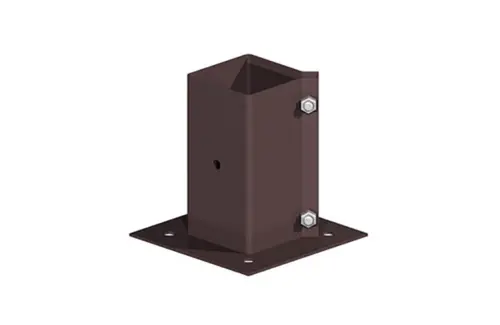
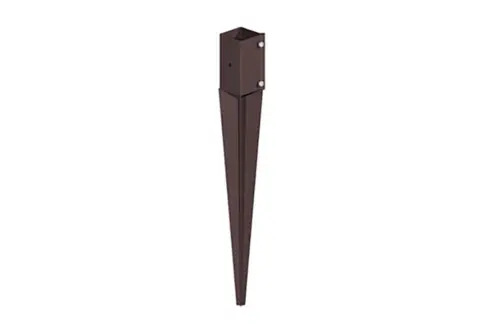
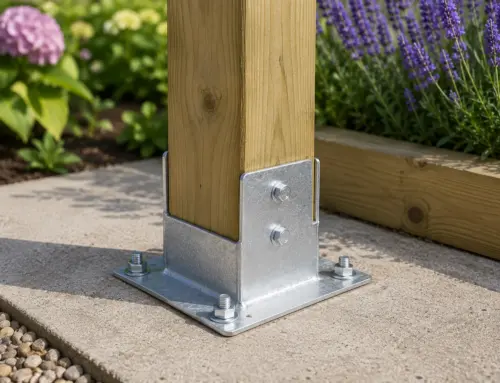
Durapost is a galvanised steel post system that has gained popularity in recent years for its durability and low maintenance. The key advantage is longevity: steel posts don’t rot, which makes them particularly appealing for challenging sites or longer-term installations. Durapost comes with a 25-year guarantee, reflecting confidence in the material’s performance.
Benefits of Durapost posts
- Longevity: steel posts resist rot and insect attack, significantly extending post life.
- Consistent installation: slimmer posts mean you can maximise panel width and reduce wasted space.
- Low maintenance: fewer treatments or replacements required over the years.
- Performance on slopes and difficult sites: robust and reliable in a variety of terrains.
Points to consider
- Upfront cost: Higher initial investment compared with timber.
- Aesthetics: A more modern look; some homeowners prefer timber aesthetics for traditional fence lines.
- Compatibility: Ensure panel and cap configurations align with Durapost systems.
Suitability – when Durapost makes sense
- Full garden fence renovation where long-term durability matters.
- Fences on sloped or challenging terrain where posts need to be robust.
- Projects expected to endure for 15–20 years or more with minimal maintenance.
- Situations where you want to minimise future maintenance costs and avoid rot-related issues.
Cost considerations – upfront vs long-term value
A common question is whether the higher upfront cost of Durapost will pay off over time. The math often tilts toward steel when you factor in replacement costs, maintenance, and rot-related issues over a 15–20 year horizon. Timber remains the more affordable initial investment, but ongoing maintenance and potential post replacements add to the lifetime cost.
- Timber: lower upfront price, but potential rot-related repairs and post replacements.
- Durapost: higher initial price, but lower maintenance and longer lifespan, with fewer replacements.
At Empress Fencing, we can help you run the numbers for your specific project, taking into account panel sizes, soil conditions, and your preferred maintenance regime.
Site considerations – slope, soil, and existing structures
The site characteristics can heavily influence post-performance and the best choice for you:
- Slopes: Durapost’s rigidity can be advantageous on uneven ground, reducing movement and misalignment over time.
- Soils: poorly drained or high-moisture soils increase timber rot risk at the base; steel posts are less sensitive to moisture.
- Existing setups: if you’re replacing panels in an existing framework, timber might be easier to integrate, but Durapost can still offer long-term benefits if you’re upgrading the entire system.
Practical decision framework – choosing with confidence
To decide which option is right for your project, consider these steps:
- Clarify objectives: Do you prioritise long-term durability or initial cost?
- Evaluate site conditions: Is your soil damp or prone to moisture, and is drainage adequate?
- Consider maintenance tolerance: Are you happy with ongoing timber maintenance, or do you prefer a low-maintenance solution?
- Assess project scope: Are you renovating an entire fence line or adding a single panel?
- Budget and lifespan: Estimate a 15–20 year horizon to compare total costs.
If you still feel torn, it’s worth speaking with the team at Empress Fencing. We stock both timber posts and Durapost posts and can advise which suits your project best based on your site, design, and maintenance expectations.
In the end, there is no one-size-fits-all answer to Durapost vs Timber Fence Posts – Which Should You Choose? It’s a decision that hinges on your priorities: cost, longevity, aesthetics, and site conditions. Timber fence posts offer a classic look, lower upfront costs, and straightforward installation, but require proactive maintenance to protect against rot. Durapost posts provide robust longevity, a guarantee-backed performance, and fewer maintenance concerns, at a higher upfront price.
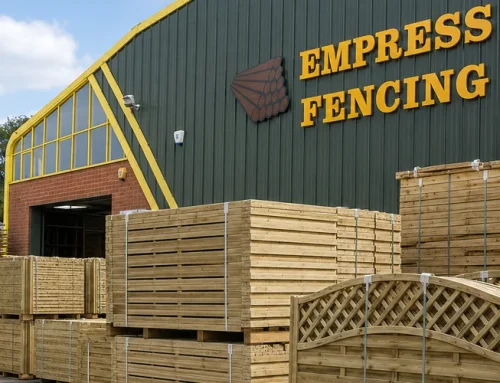
At Empress Fencing, we understand that every garden is unique. Whether you lean toward timber for a traditional feel or Durapost for a long-term, low-maintenance solution, we can help you select the best option and supply everything you need for a durable, attractive fence. If you’re ready to discuss your project, we’re happy to advise and supply both options to ensure you get the best outcome for your space. Please check out our 6ft fence panels, decorative fence panels, decorative garden gates and fence posts range for more information.