
Not every fence post can or should be set in a dug hole. Where you are fixing to a hard surface, working around buried services, or simply want a faster install, post supports offer a genuine alternative, and choosing the right one matters. As a supplier of fencing and timber supplies in Clitheroe, we stock both bolt-down and drive-in post supports, and this guide explains when each is the right tool so you do not end up with a post that works loose a season later.
How the Two Supports Work
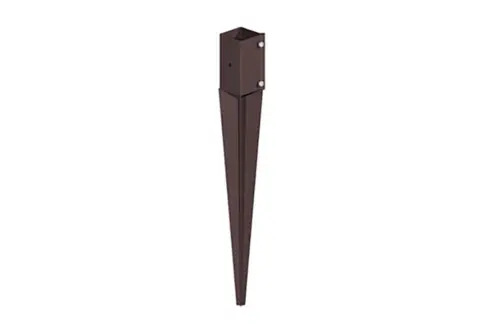
A drive-in spike post support is a metal spike with a socket on top. You drive the spike into firm ground with the post socket sitting at the surface, then set the timber post into the socket. It is quick, it needs no concrete, and it suits firm soil where you want to put up a fence without the time and mess of digging and mixing postcrete. The limitation is that it relies entirely on the ground holding the spike, so it performs best in solid, stone-free soil and is less suited to soft or loose ground that will not grip the spike firmly.
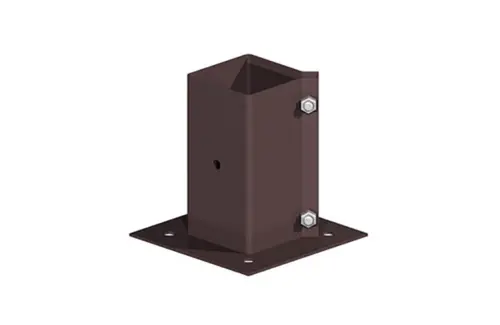
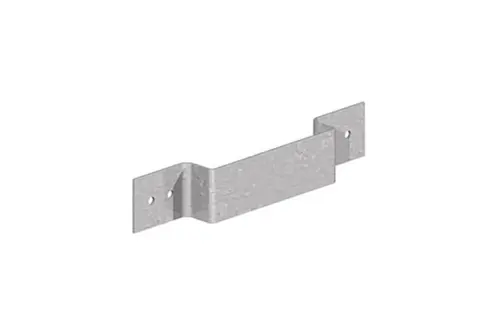
A bolt-down post support is a metal base plate that bolts to a solid surface such as a concrete pad, a patio or an existing slab. The post then sits in the support above the surface. This is the answer where you cannot or will not dig, for instance fencing along the edge of a paved area or a hard standing. Because it is anchored into a solid surface with bolts, it gives a very firm fixing, but it is only ever as good as the surface you bolt it to, so a sound, thick concrete base is essential.
Choosing Between Them
The decision is really about your surface. If you are fencing across firm garden soil and want speed, a drive-in spike is the obvious choice. If you are fencing along or onto a hard surface, a bolt-down support is the only sensible option. There is also a Durapost bolt-down support and a corner post bolt-down for the steel system, so customers building a Durapost run on a hard surface are covered too. The wrong choice for the surface is the usual cause of a wobbly post, so it is worth getting right before you order.
The Trade-Off Against Concrete
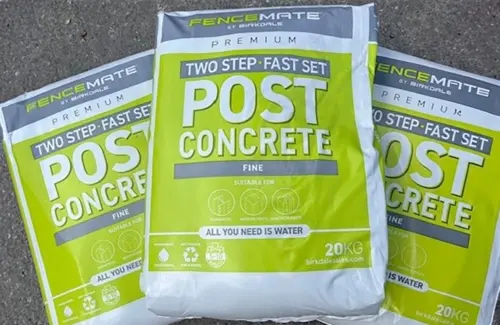
Post supports trade a little ultimate strength for a lot of convenience. A post set deep in postcrete remains the strongest fixing for a tall, exposed, solid panel run, and on the most wind-battered boundaries across the valley that is still what we would recommend. Supports come into their own for lighter fences, decorative panels, gates onto paving and situations where digging is genuinely not practical. Knowing the limitation means you can use them confidently where they suit and reach for postcrete where the load demands it. We stock 20kg postcrete alongside the supports for exactly that reason.
Getting the Posts and Panels to Match
Whichever support you use, the post that sits in it still needs to suit the panel above. A heavier panel wants a more substantial post and a firmer fixing, regardless of method. You can see the supports and the postcrete together on our fixings and accessories page, and our fence posts range covers the timber to go with them. For a fuller picture of post failure, our article on why fence posts fail is worth reading.
To work out the right support for your ground and fence, call 01200 449930. We deliver post supports, postcrete and the full fencing range across Clitheroe and the BB postcode areas, free over £150.