
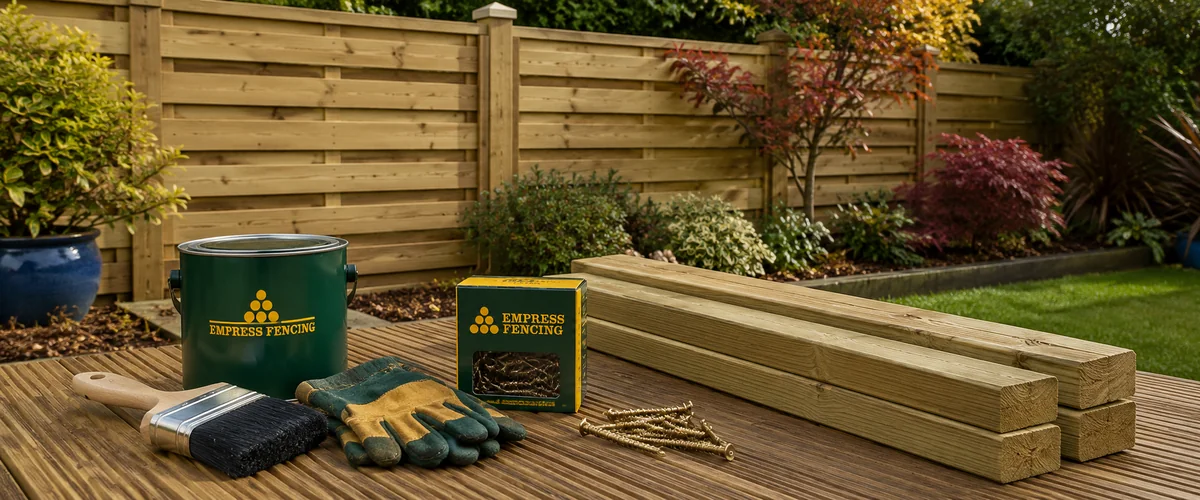
Preparing a fence for autumn is one of those jobs with an obvious best moment and a strong tendency to be done at the worst one. The best moment is a dry week in late summer, when the ground is workable, the timber is dry and you can see what you are doing. The worst is the morning after the first proper gale, when a panel is in next door’s garden and the ground is saturated. Almost everyone does the second. We supply fencing and timber supplies in Clitheroe to plenty of people in both situations, and the difference in cost and effort is considerable.
Why late summer is the moment
Three things line up in August that will not line up again until spring. The ground is dry and workable, which matters enormously if any post work is needed. The timber is dry, which means any treatment applied will actually soak in and cure. And there is enough daylight after work to do something useful on a weekday evening.
By late October all three are gone. The ground is wet, digging is unpleasant, treatment will not dry, and it is dark by the time most people get home. A job that takes an evening now takes a weekend then.
The other argument is simply that autumn gales find weaknesses. A fence with a slightly loose post or a rotted rail will stand all summer without complaint and come down in the first serious wind. Nothing about it changed except the load.
Start with the posts
Posts hold everything up, so check them first. Push each one firmly at shoulder height. A post that gives noticeably at the base is loose in the ground and needs attention. A post that flexes in its length rather than moving at the base has a different problem, usually rot.
Check at ground level, which is where timber posts fail most often. The zone right at the soil line is alternately wet and dry, which is the hardest condition for timber, and a post can be perfectly sound above and below while being seriously weakened at that one line. Scrape away soil and debris from around the base and probe the timber with something sharp. Firm timber resists. Soft timber does not.
Check the tops too. An uncapped post that has been taking rain into its end grain for years may be considerably softer at the crown than it looks.
Then the rails and the panels
On a panel fence, look at the frame of each panel rather than the cladding. The frame is what carries the load and what the fixings go into, and a panel with a sound face and a rotten bottom rail will fail as a unit.
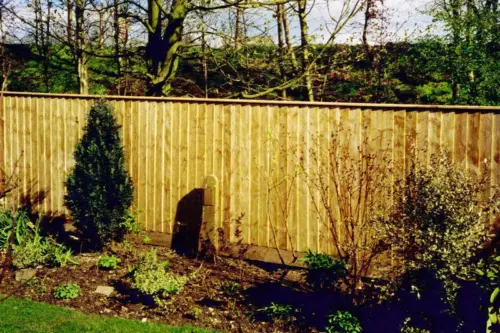
On a feather edge or closeboard fence, check where the rails meet the posts. That joint takes the load and it is where water collects. Look for movement and for any fixing that has worked loose.
Check the bottom of everything. Whether it is a panel or boards, the lowest few inches are where the splash from the ground hits, and that is where deterioration starts.
Gravel boards and what is at ground level
If there is a gravel board, check whether it is doing its job or whether soil has built up over it. Soil banked against the back of a gravel board keeps the timber permanently wet and defeats the point of having one. Clearing that back is a spade job and it makes a real difference.
Where there is no gravel board and panels sit close to the soil, that is worth addressing before winter rather than after.
Clear what is growing on it
Cut back anything that has grown over or through the fence during summer. Ivy in particular gets into joints, holds moisture against timber and adds a substantial amount of wind loading to a boundary. A fence carrying a heavy growth of ivy is a very different structure in a gale from a bare one.
Clear vegetation away from the base too, since anything piled against a post keeps it damp.
Do not overlook the gate
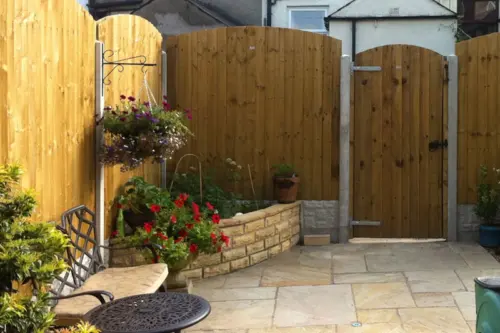
Gates take more punishment than any other part of a boundary and are usually the first thing to fail in bad weather. Check the hinges for movement and corrosion, check that the catch still engages cleanly, and check the hinge post for any lean.
A gate that is already stiff in August will be considerably worse once the timber has taken up winter moisture and swollen. Dealing with it now, while there is room to adjust and the timber is at its smallest, is far easier than trying to plane a saturated gate in December.
Fix what you find now
The point of the inspection is acting on it. A loose post reset in dry ground in August is a straightforward job. The same post reset in December, after it has gone over and taken two panels with it, is a much bigger one and involves replacing more than the post.
Order what you need while conditions are good. Customers checking boundaries around Trawden fencing and up towards Foulridge fencing, where the ground is exposed and the wind gets a clear run, generally find late summer the sensible time to sort a boundary out.
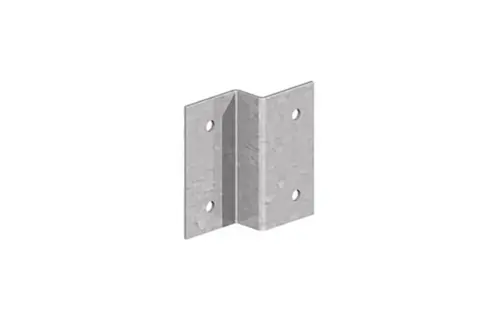
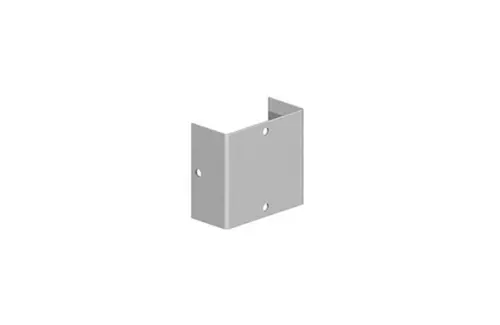
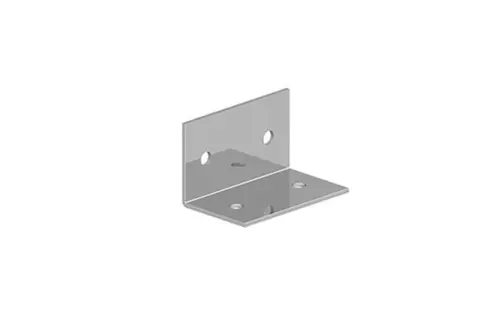
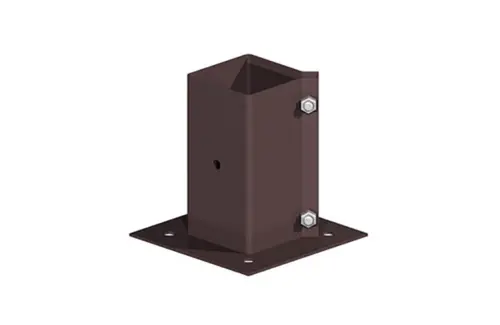
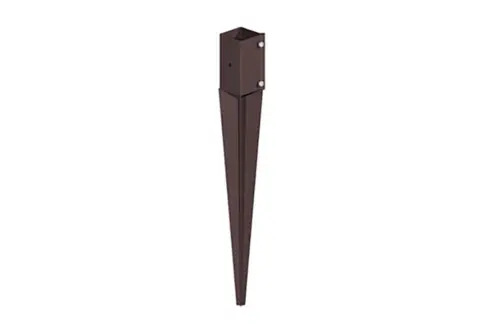
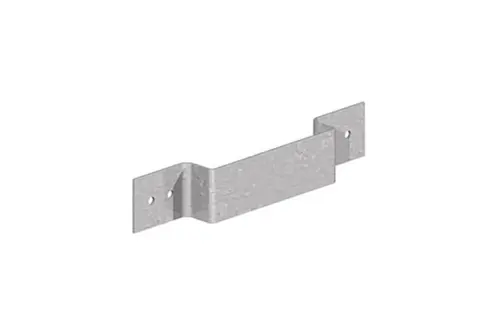
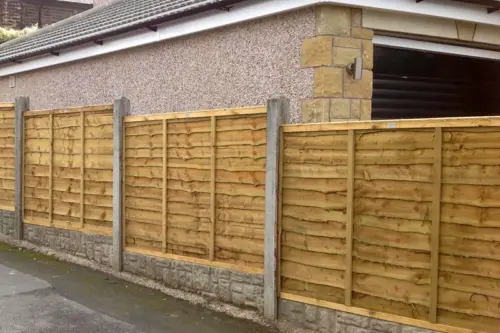
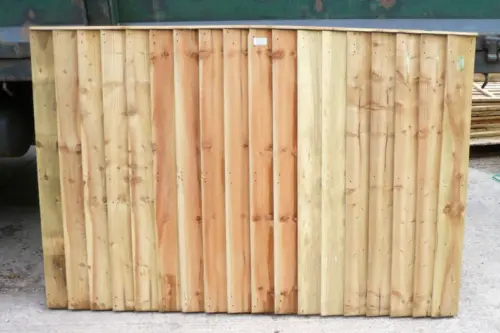
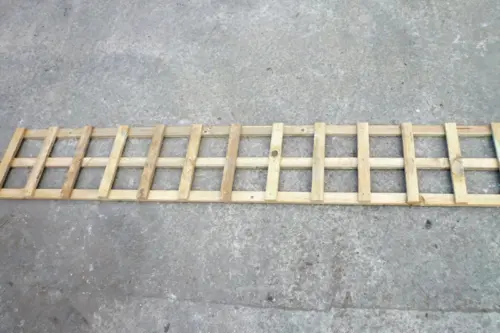
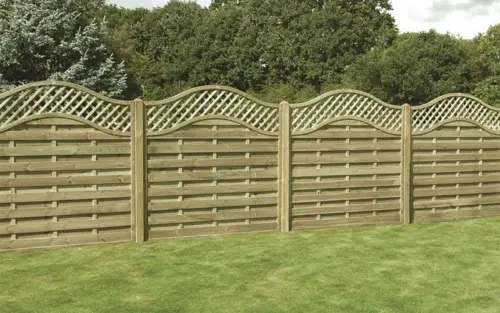
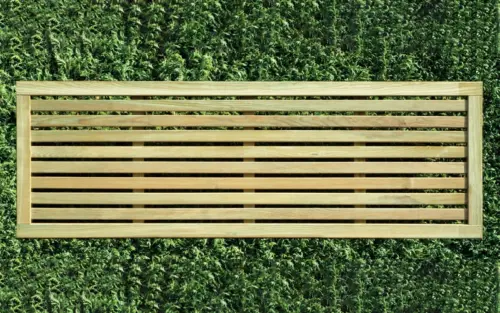
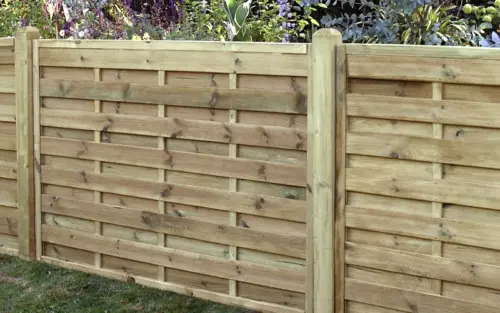
Our 6ft fence panels cover replacements, with fence posts, timber boards and everything for fixing in fixings and accessories.
If you are not sure whether something needs replacing or will see another winter, ring 01200 449930 and describe it. Delivery is free on orders over £150 across all BB postcode areas.