
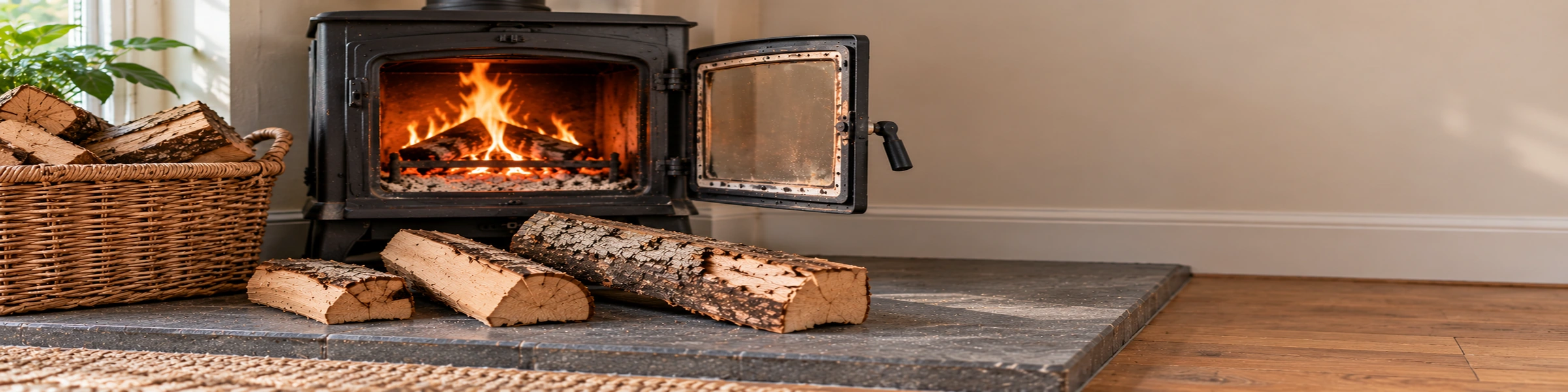
Log length for a stove is the specification people check last and regret first. Species, moisture content and price all get considered carefully, and then a delivery arrives containing logs that will not sit properly in the firebox. As a supplier of fencing and timber supplies in Clitheroe we would far rather a customer measured beforehand than worked around the problem all winter.
Why Length Matters More Than People Expect
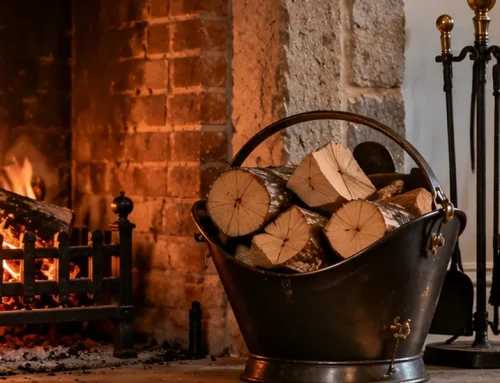
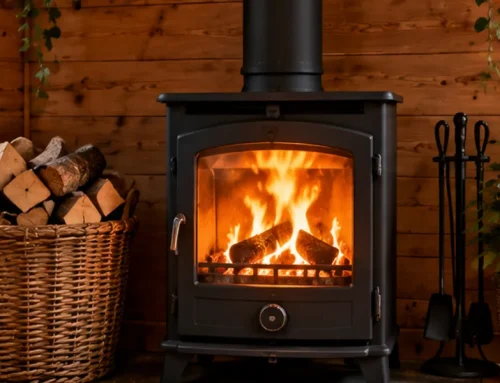
A log that is too long for the firebox cannot be loaded the way the stove was designed to be loaded. It has to go in at an angle, or wedged corner to corner, and both arrangements cause problems.
Logs pressed against the glass interrupt the airwash and blacken it within an evening. Logs touching the sides or the back plate transfer heat directly into the stove body rather than into the fire. Logs propped at an angle roll when they burn down, and a rolling log against a door seal is exactly what you do not want.
Measuring Properly
Measure the internal width of the firebox at its narrowest point, not the door opening. Fireboxes frequently narrow towards the back, and the useful measurement is the one that governs whether a log lies flat.
Take off a margin of at least fifty millimetres. You need room to load without scraping the sides, room for the log to shift as it burns, and room for air to move around it. A log that only just fits is effectively too long.
Front to Back Loading
Some stoves are designed to take logs front to back rather than side to side, which changes the measurement entirely. If yours loads that way, measure the depth instead, and apply the same margin.
Front to back loading generally suits longer logs and gives a tidier burn, because the flame travels along the length of the wood rather than across it. Check the manufacturer’s guidance if you are unsure, since it is not always obvious from the shape of the opening.
Small Stoves Are the Common Problem
Compact stoves fitted into terraced fireplaces and small rooms often have fireboxes considerably shorter than people assume. A five kilowatt stove in a modest opening may take far less length than the standard firewood most suppliers cut to.
If you have a small stove, this is worth confirming before a bulk order rather than after. It is a short conversation and it prevents a winter of splitting logs down in the yard.
What to Do With Logs That Are Too Long
Cutting a bulk delivery down is a miserable job and one most people abandon after a bag. If you find yourself with logs that do not fit, the practical options are to use them in an open fire, a fire pit or a chiminea where length matters far less.
Our logs for sale range covers a variety of formats, and it is worth a call to confirm what suits your firebox before committing to a season’s supply.
Consistency Is Part of Quality
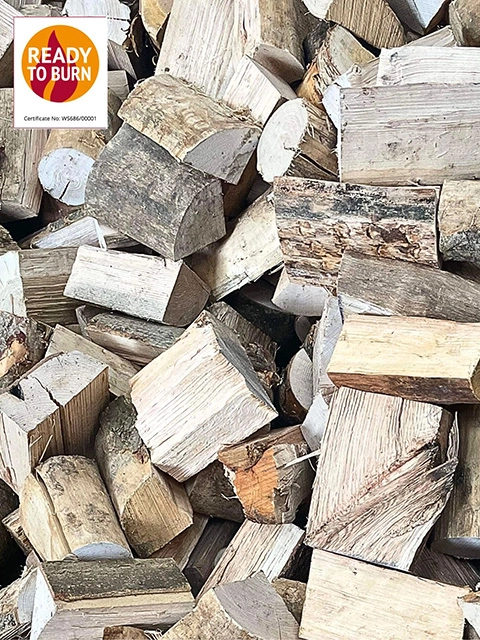
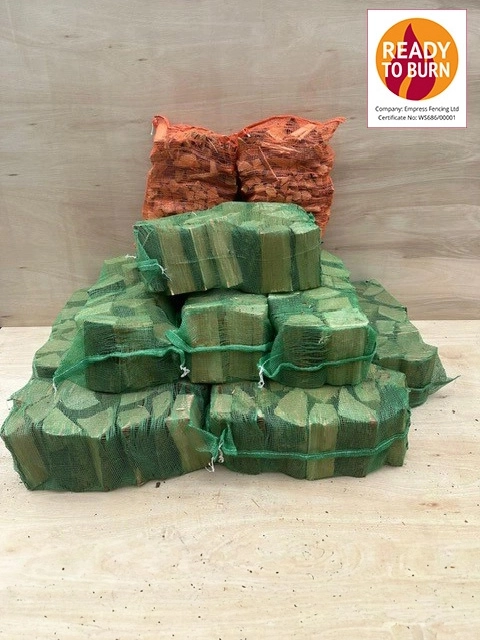
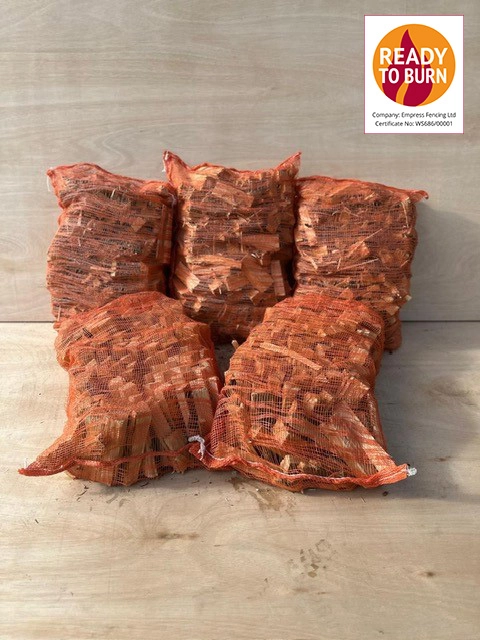
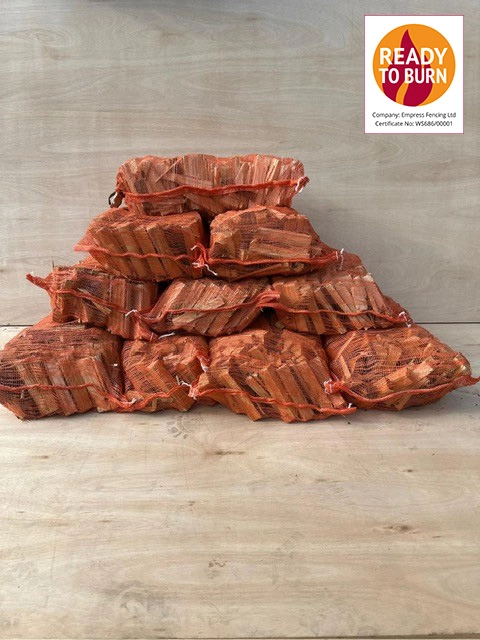
One of the differences between processed firewood and casually cut wood is consistency. Logs cut to a regular length stack better, burn more predictably and load without thought.
Wood bought loose from an informal source is frequently a mixture of lengths, which makes stacking untidy, wastes space in a store and means constantly sorting for something that fits. That inconsistency is a hidden cost that rarely shows up in the price comparison.
Diameter Matters Too
Length is the constraint most people hit, but thickness affects how a fire behaves. Smaller split pieces catch quickly and are what you want early in a burn. Larger rounds hold heat and suit a fire that is already established.
A good supply contains both. Sorting as you stack, so the smaller pieces are accessible and the larger ones sit further back, makes the whole season easier.
Ask Before You Order
Nobody minds the question, and it takes a minute. Knowing the internal dimensions of your firebox before a delivery is the difference between firewood that works and firewood you fight with.
Buying for More Than One Appliance
Plenty of households now have more than one thing to feed, with a stove indoors and a fire pit, chiminea or pizza oven outside. Those appliances want different log sizes, and buying a single format for all of them means compromising somewhere. The practical approach is to buy the length that suits the stove, since that is the fussiest of the three, and use anything that does not fit outdoors where length hardly matters at all. Sorting as you stack makes this easy, with the pieces destined for outdoor use kept separately rather than mixed through the main supply. It takes no extra time if you do it during the initial stacking and saves rummaging later.
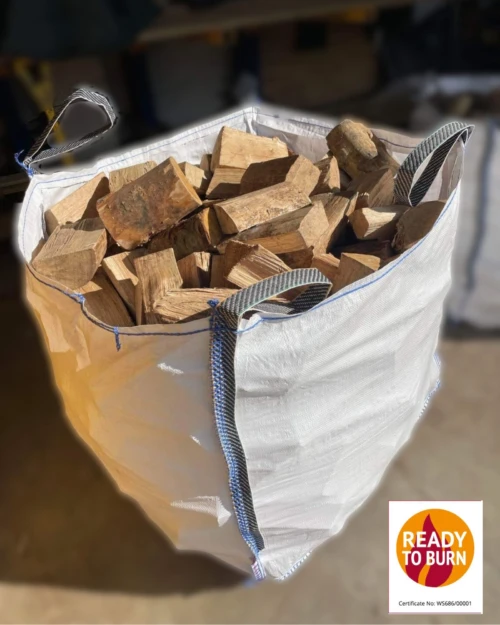
Customers ordering logs for sale Clitheroe or logs for sale Whalley for a newly installed stove are always welcome to check first. Call us on 01200 449930. We supply certified Ready to Burn firewood with free delivery on orders over £150 across all BB postcode areas.