
Firewood for a farmhouse is a different calculation entirely from firewood for a suburban semi with a stove used at weekends. When wood is doing real heating work rather than providing atmosphere, volume, storage and timing all change. As a supplier of fencing and timber supplies in Clitheroe delivering across the Ribble Valley and the Forest of Bowland, a good proportion of what we send out goes to properties with no mains gas at all.
Heating a Building That Was Never Insulated
Older stone farmhouses hold heat differently from modern construction. Thick walls take a long time to warm and a long time to cool, which means intermittent burning works poorly. A stove lit for three hours in the evening barely touches the fabric of the building.
The households that manage best tend to burn steadily rather than in bursts, keeping one or two rooms consistently warm rather than trying to heat everything. That pattern uses more wood in total but uses it far more effectively.
Volume Is the First Thing to Get Right
A rural property burning daily from October through to April uses a great deal more than most people estimate at the outset. Running out in February, when demand across the county is at its peak and the weather is at its worst, is the situation to avoid.
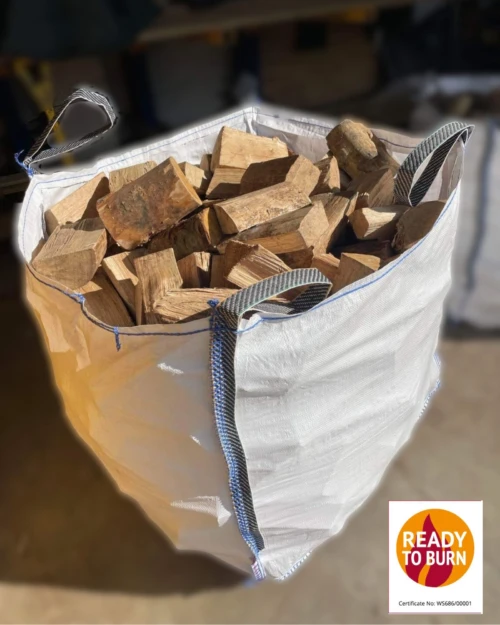
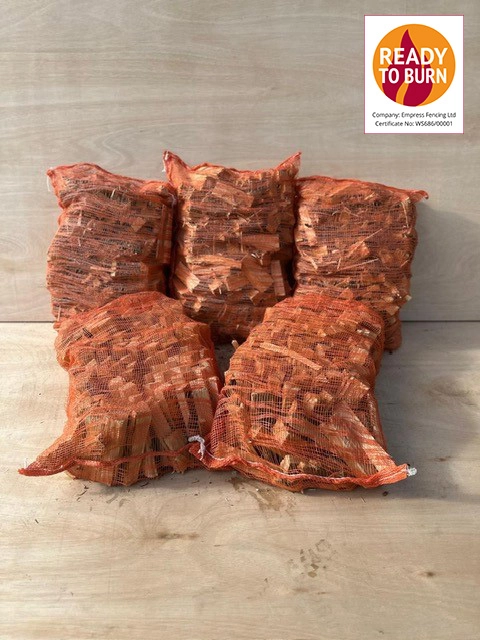
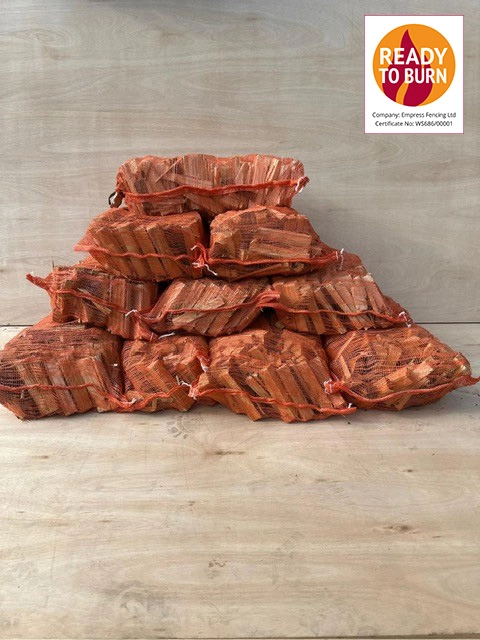
Ordering in bulk ahead of the season is the practical answer, and it is usually the cheaper one. Our logs for sale range is set up for exactly this, with formats that scale from a single bag upwards.
Storage Is Rarely the Constraint
This is where rural properties have a genuine advantage. Outbuildings, barns, stables and covered yards give options that a town garden simply does not, and a dry stone building with open ends is close to ideal for firewood.
The main risk is assuming any outbuilding will do. A sealed, windowless store with a solid door traps moisture as effectively as a tarpaulin. Airflow matters as much in a barn as it does in a garden store, so keep stacks off the floor and away from the walls.
Access Cuts Both Ways
Farm tracks and yards usually take a delivery vehicle comfortably, which makes bulk orders straightforward. What catches people out is the distance from the yard to the house, which on many properties is considerable.
Think about where the bag should be dropped rather than simply where it can be dropped. Close to the store is worth more than close to the gate. Customers ordering logs for sale Slaidburn and logs for sale Gisburn generally know their own yards well, and a quick word when ordering saves a lot of barrowing.
Hardwood Earns Its Keep Here
For occasional use the species matters relatively little. For sustained heating it matters a great deal. Dense hardwoods such as oak, ash and beech give longer burn times and more heat per log, which means fewer reloads and less handling across a season.
Most rural customers run predominantly hardwood with softwood kept for lighting. Our 1m3 hardwood logs delivered suits that pattern well, and buying at that scale makes the arithmetic considerably better than net by net.
Two Deliveries Rather Than One
Where storage allows, splitting the season into an early order and a midwinter top-up works well. The first order covers autumn and gets you established. The second, placed in December or early January, covers the hardest part of the winter and arrives before the worst weather makes access difficult.
Leaving the second order until you are nearly out is the mistake. Rural lanes in the Bowland fells can be awkward after snow, and a delivery that would be routine in November becomes a good deal harder in February.
Keep a Reserve
Anyone genuinely dependent on wood should hold more than they expect to need. A fortnight’s buffer costs very little and covers the cold snap that arrives when the yard is impassable.
Nets stored indoors make a sensible emergency reserve alongside a bulk supply, because they stay dry regardless of what the main stack is doing and can be carried in easily.
Planning the Year
The households that find this easy are the ones treating firewood as an annual purchase rather than a series of emergencies. Order early, store properly, keep a reserve, and top up before you need to.
Splitting and Handling on a Working Property
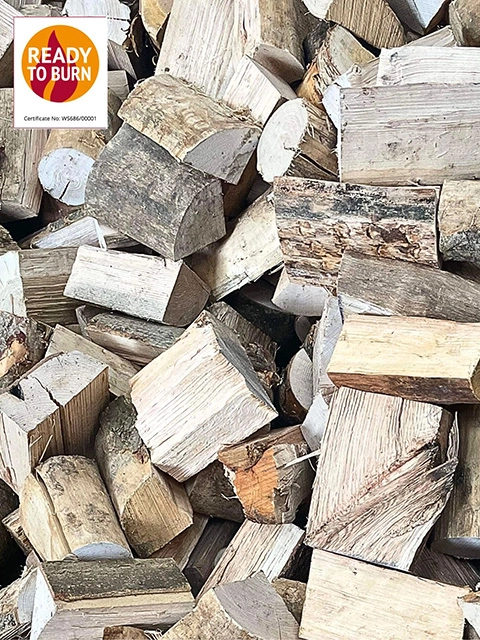
Rural households often have space and equipment that town properties do not, and it is tempting to buy in larger unsplit rounds and process them yourself. That works if you genuinely have the time and the kit, and it is a false economy if you do not. Splitting a winter’s supply is a substantial job, and it has to be done far enough ahead for the wood to dry, which means the saving only materialises if you are working a year in advance. Most farmhouse customers we deal with have concluded that buying ready processed kiln dried firewood and spending the time on something else makes better sense, particularly during the autumn when there is plenty else demanding attention outdoors.
To discuss quantities and delivery for a rural property, call us on 01200 449930. We supply certified Ready to Burn firewood from Clitheroe with free delivery on orders over £150 across all BB postcode areas.