
Logs for a wood fired hot tub are one of the fastest growing reasons customers buy firewood from us outside the heating season, and the requirements are almost the opposite of what a stove wants. Heating several hundred litres of water from cold is a demanding job, and the fuel has to suit it. As a supplier of fencing and timber supplies in Clitheroe we now sell a noticeable volume of firewood to households with no stove at all.
Why a Hot Tub Burns Differently From a Stove
A wood burning stove is designed to release heat slowly and steadily into a room. A hot tub heater is designed to transfer as much heat as possible into water in as short a time as possible, and it is judged entirely on how quickly the water comes up to temperature.
That means you want a hot, fast, intense fire rather than a long slow burn. Fuel that would be considered lightweight for a stove is often exactly right here, because the priority is heat output now rather than heat output sustained.
Softwood Comes Into Its Own
Softwood lights readily, burns hot and burns quickly, which is precisely the profile a heater needs during the initial warm-up. It is also lighter to handle and easier to split small, both of which matter when you are feeding a firebox regularly.
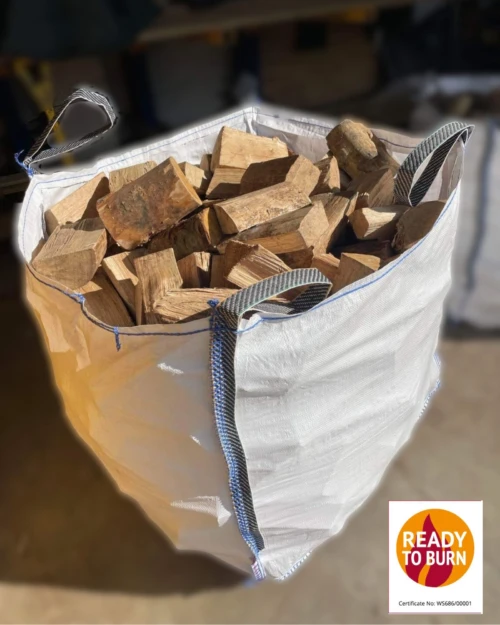
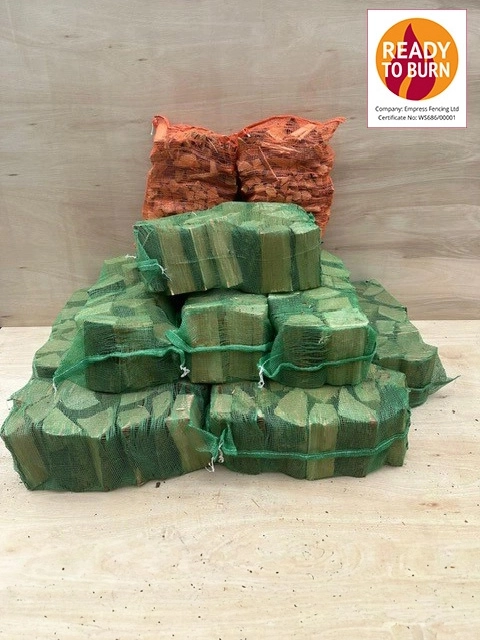
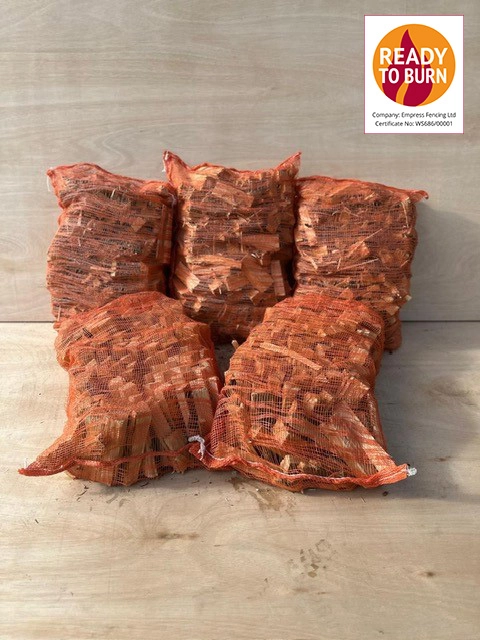
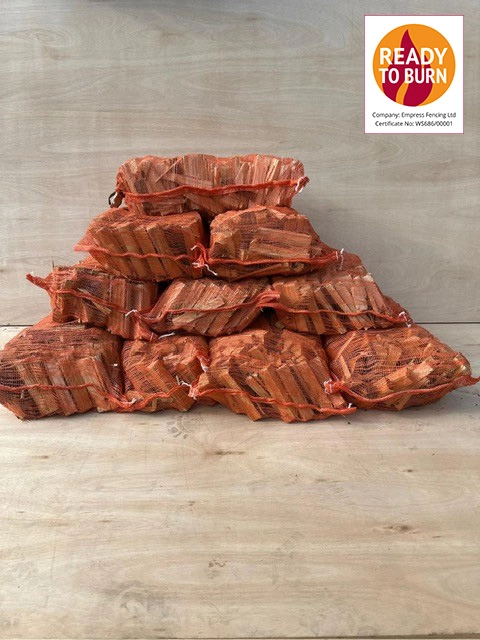
Our 10 nets of softwood logs and 2 nets of kindling is a convenient way to buy for this, because you can judge fairly quickly how many nets a full heat-up takes and reorder accordingly.
Where Hardwood Still Helps
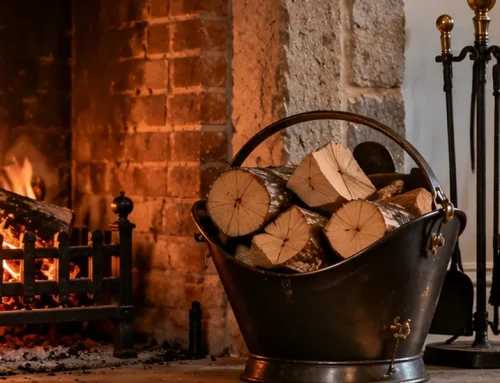
Once the water is at temperature, the job changes from heating to holding. That is where denser hardwood earns its place, because a couple of larger logs will maintain the temperature for a long soak without constant refuelling.
Most people who use a tub regularly end up running both, softwood to get there and hardwood to stay there. Our logs for sale range covers both and buying a mix is the sensible approach.
Firebox Size Dictates Log Size
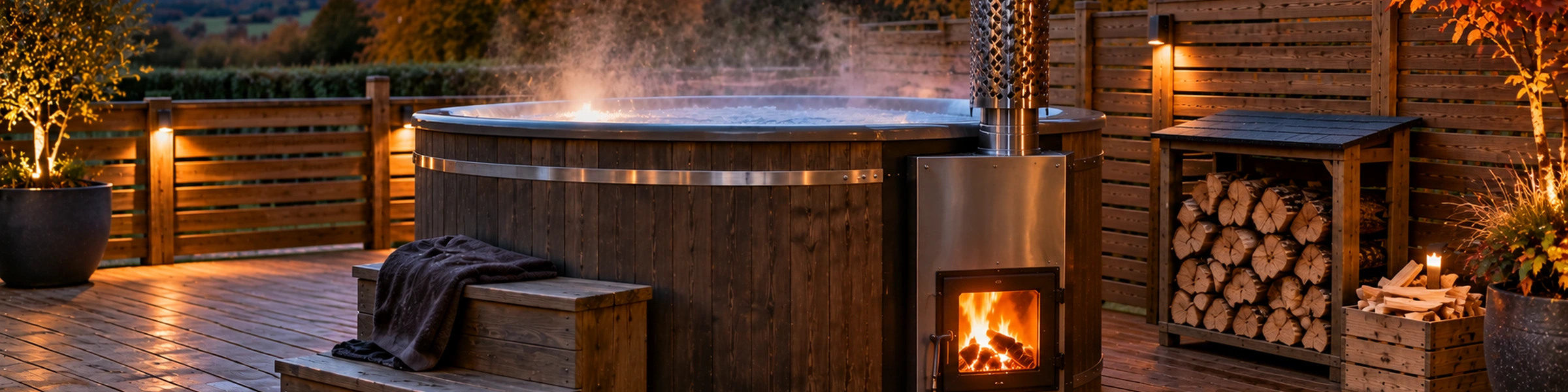
Hot tub heaters generally have small fireboxes, considerably smaller than a domestic stove. Logs that fit a stove comfortably will often be too long, and split pieces are usually needed rather than whole rounds.
Measure the firebox before ordering rather than after. A supply of logs that will not fit is worth nothing however good the wood is.
Quantity Will Surprise You
The volume of fuel involved catches most new owners out. Bringing a tub up to temperature from cold consumes a substantial amount of wood, and doing so regularly through the autumn adds up quickly.
Anyone using a tub weekly through the colder months should budget for a proper supply rather than buying a net at a time. It works out considerably better value and removes the risk of running out mid heat-up, which is a genuinely frustrating way to lose an evening.
Moisture Content Matters Even More
Damp wood produces smoke, and smoke around an outdoor tub sits at exactly head height for everyone using it. It also wastes energy boiling off water instead of heating the tub, which shows up directly in how long the warm-up takes.
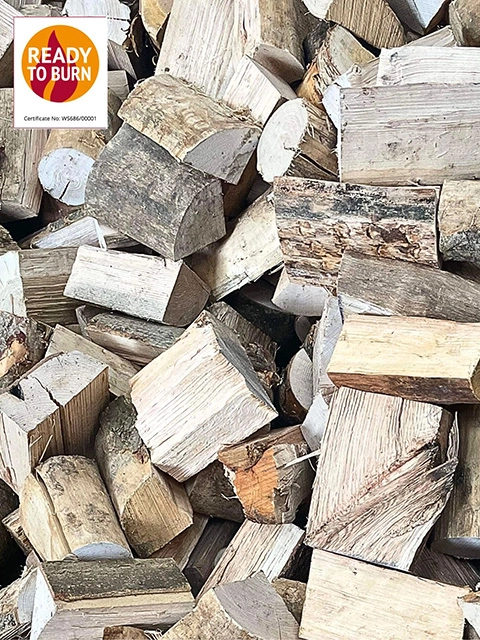
Certified Ready to Burn logs at under twenty per cent moisture make a measurable difference to heat-up times. This is the application where fuel quality is most immediately obvious, because you are timing it.
Storage Near the Tub
Keeping fuel close to the heater is worth arranging, since nobody wants to walk to the far end of the garden repeatedly during a warm-up. A small store near the tub, kept topped up from the main supply, makes the whole thing more pleasant.
Ideas for siting and sizing are covered in our log store ideas pages, and the same principles apply as anywhere else, which is off the ground, covered above and open at the sides.
Never Burn Treated Timber
The temptation to burn old decking offcuts or fence timber near an outdoor installation is strong and should be resisted entirely. Treated wood releases preservative residues into the smoke, and around a tub that smoke is being breathed by everyone in it.
Keep clean firewood and construction timber strictly separate. Customers ordering logs for sale Waddington or logs for sale Wiswell for tubs often ask about this, and the answer is always to burn nothing but proper firewood.
Running Costs Over a Season
It is worth being realistic about what a wood fired tub costs to run before committing to regular use, because the fuel is the main ongoing expense and it is easy to underestimate. Heating from cold takes considerably more wood than topping up a tub that has been used the day before, so frequency changes the arithmetic significantly. Households using a tub two or three times a week through autumn and winter often find they get through as much firewood as a household heating a room with a stove. That is not a reason to avoid it, but it is a reason to buy in sensible quantities rather than a net at a time, and to sort out storage before the season rather than during it.
To work out quantities for a wood fired tub, call us on 01200 449930. We supply certified Ready to Burn firewood from Clitheroe with free delivery on orders over £150 across all BB postcode areas.