
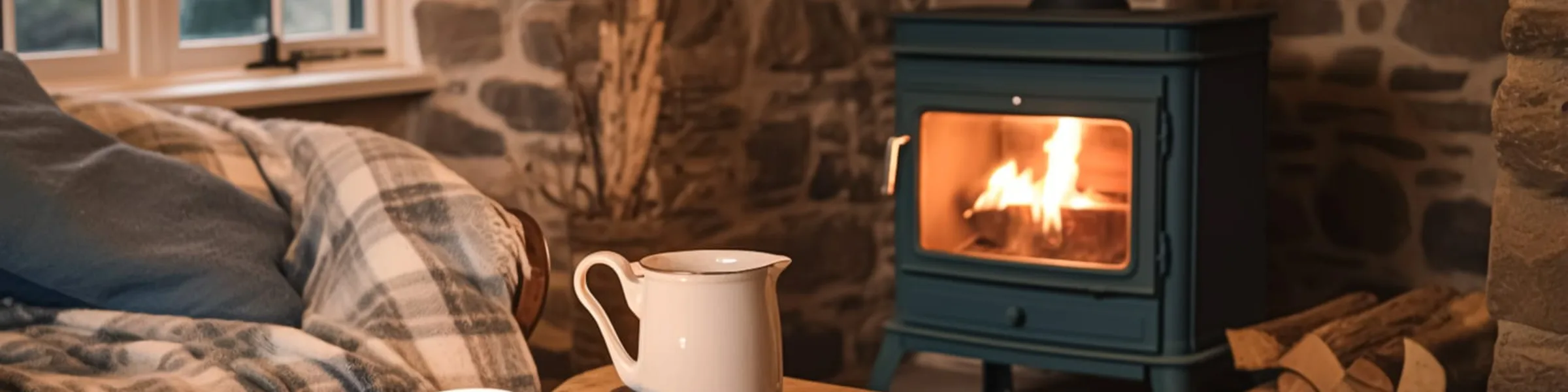
Logs for a multi fuel stove need a slightly different approach from coal or smokeless fuel. The stove can burn both, but each fuel likes the grate set up its own way. As a Ready to Burn registered supplier of fencing and timber supplies in Clitheroe, we often help owners who are switching to wood. So here is how to get the best from your logs.
How a Multi Fuel Stove Differs From a Wood Burner
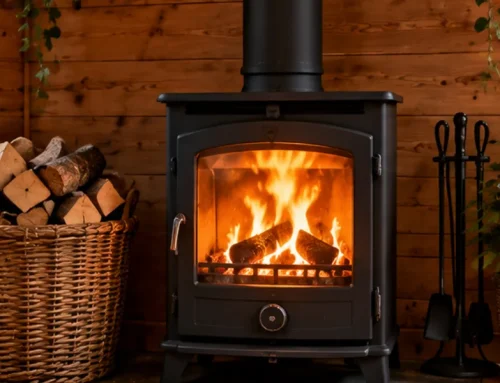
A dedicated wood burner usually has a flat base with no grate. Wood sits on a bed of ash and burns from the top down. A multi fuel stove, however, has a riddling grate built for coal. Air comes up through the grate from below.
Coal and smokeless fuel need that air from underneath. Wood does not, and actually burns better without it. That is why so many multi fuel owners find logs burn too fast or too unevenly. With logs for a multi fuel stove, the fix is mostly about the ash bed and the air controls.
Why Wood Likes a Bed of Ash
Wood burns best sitting on a layer of its own ash. The ash insulates the logs from the cold grate below. It also holds heat, so the embers glow longer. As a result, the fire is steadier and needs less attention.
On a bare grate, air rushes up through the logs. They flare quickly and burn away in no time. Meanwhile, the room barely warms between reloads. Our guide on wood ash disposal explains how much ash to keep.
Leave the Ash Bed When Burning Logs
When burning coal, you riddle the grate to clear ash and let air through. With logs for a multi fuel stove, you should do the opposite. Leave a layer of ash, roughly an inch deep, across the grate. Only remove the excess when it starts to block the air or reach the door.
So resist the habit of riddling every morning. Instead, rake the embers gently forward and add fresh logs on top. Empty the ash pan only when it is getting full. That way, you keep the insulating bed the logs need.
Air From Above Versus Below
Most multi fuel stoves have two air controls. Primary air enters below the grate, while secondary air enters above the fire. Coal needs plenty of primary air. Wood, by contrast, burns best on secondary air.
When lighting, open both controls to get the fire going. Once the logs are burning well, close the primary air most or all of the way. Then use the secondary control to manage the burn. Check your stove manual, as the layout varies between models.
Do Not Mix Wet Wood With Smokeless Fuel
Some owners like to mix logs and smokeless fuel for a longer burn. If you do this, the logs for a multi fuel stove must be properly dry. Wet logs cool the fire and produce tar and acidic deposits. Combined with the residues from mineral fuel, that can be hard on the stove and flue.
Therefore, only burn wood with a moisture content under 20%. Our article on why kiln-dried logs are better for your chimney and stove covers the effect of damp fuel. All our firewood is Ready to Burn certified. Follow your stove maker’s guidance on mixing fuels.
The Best Logs for a Multi Fuel Stove
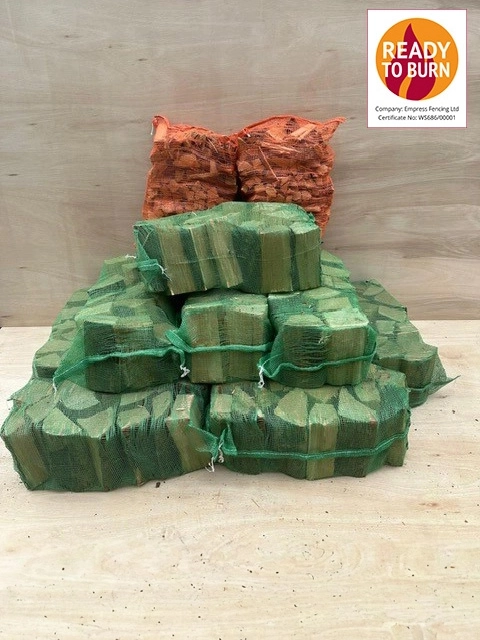
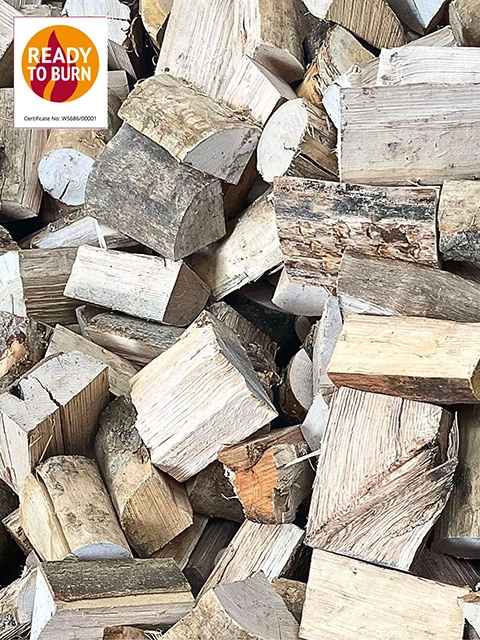
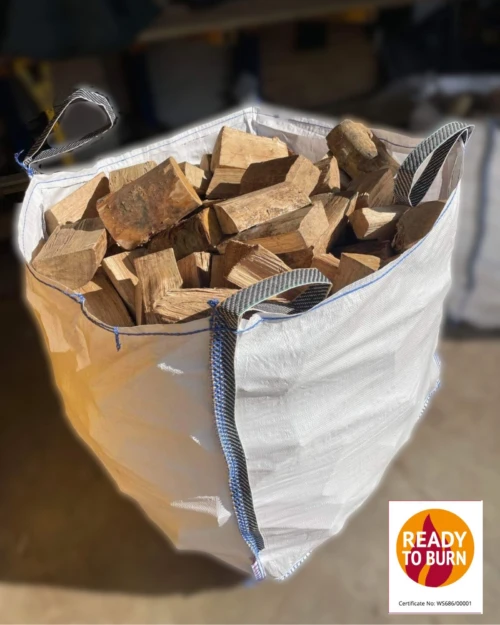
Kiln-dried hardwood gives the steadiest output of all logs for a multi fuel stove. Our 1m3 hardwood logs may include oak, ash, beech, birch, sycamore, alder and hornbeam. They are cut on average to 8 inches long, with a maximum diameter of 6 inches. Most multi fuel fireboxes take that size comfortably.
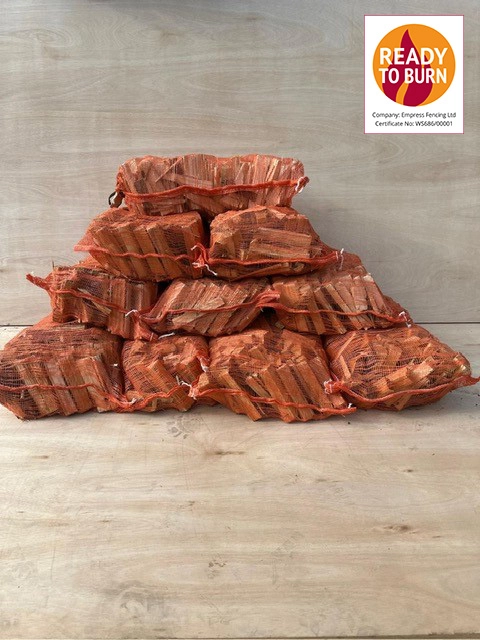
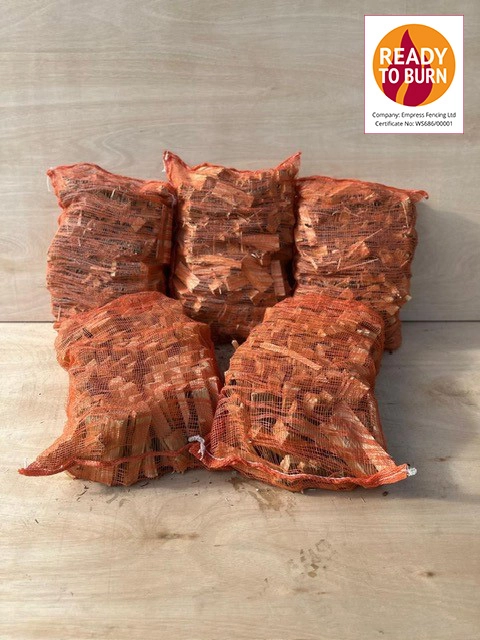
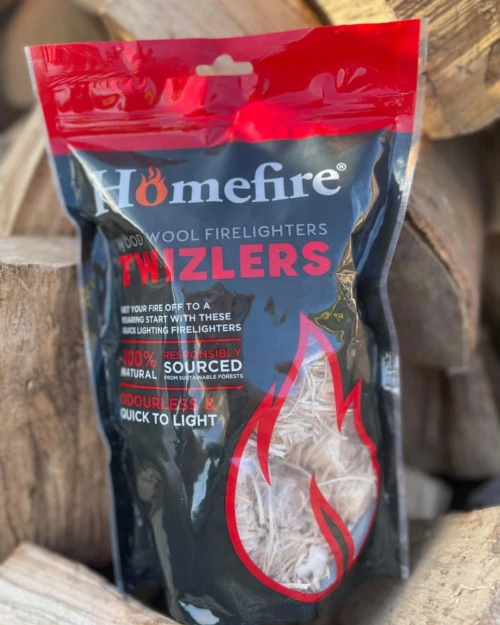
For lighting, softwood and kindling get the stove hot quickly. One net of our kiln-dried kindling lights around 10 to 12 fires. Pair it with Homefire Twizlers firelighters, which are odourless and burn for 7 to 10 minutes. Once the kindling is ablaze, add small hardwood logs.
Loading Logs for a Multi Fuel Stove
Place two or three logs on the ash bed, with a small gap between them. Air needs to move around the wood to burn the gases cleanly. Do not pack the firebox to the top. An overloaded stove smoulders and blackens the glass.
Reload when the logs have burned down to glowing embers. Rake the embers into an even layer first. Then add fresh logs and open the air briefly until they catch. After that, turn the air back down to a steady burn.
Watch the glass as a guide. Clear glass and lively flames mean the air and fuel are balanced. If the glass darkens quickly, open the secondary air a little. Likewise, if logs burn away too fast, check whether primary air is still open.
Keep the door seal and grate in good order too. A worn rope seal lets in extra air from below. As a result, logs burn as if the primary control were open. Your stove engineer can advise on replacing seals or grate parts.
Ordering for Terraced Streets
Plenty of multi fuel stoves sit in terraced homes across Padiham and nearby villages. Access can be tight, with back yards reached through narrow ginnels. Our 1m3 load is tipped loose on your drive or at the kerb. The driver cannot lift logs over walls or stack them in your store.
We deliver logs for sale Padiham to rows of stone terraces near the town centre. Likewise, homes up the road order logs for sale Hapton ahead of the first frosts. Add a note about parking or access in the order comments box. If space is very limited, our kiln dried logs delivered range includes a bagged option.
Keeping the Logs Dry After Delivery
Our logs for a multi fuel stove arrive dry, but they must be kept that way. Stack them under a roof with open sides for air. Keep the bottom layer off the ground. In a wet Lancashire winter, that makes the difference between a bright fire and a hissing one.
For kiln-dried logs, kindling and firelighters, call us on 01200 449930. We offer free delivery on orders over £150 across all BB postcode areas, and collection from our Clitheroe yard is also available.