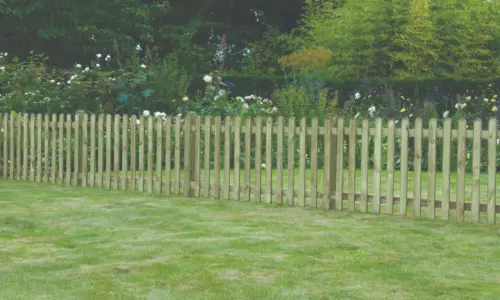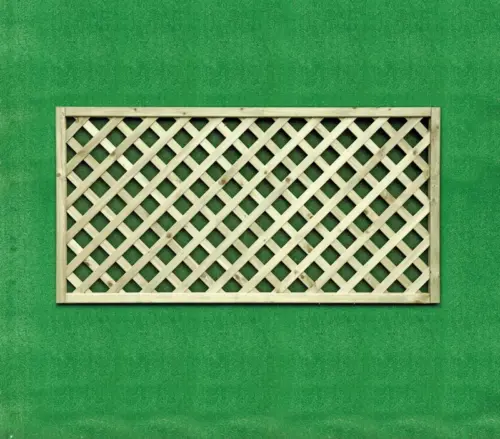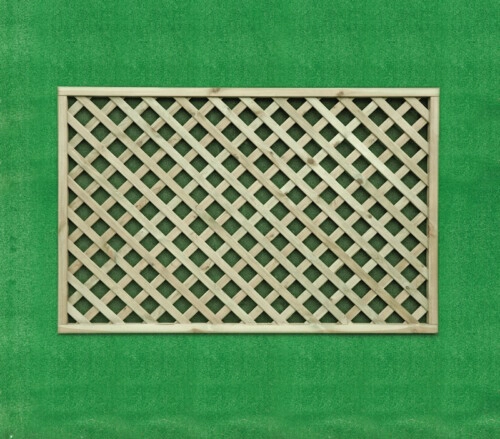

At Empress Fencing, we stock both traditional and decorative fence panel styles. But which should you choose? Here’s a straightforward guide to help you decide, with practical considerations and style ideas to suit British gardens.
Understanding the Choice
Choosing the right fence panels is more than a matter of aesthetics. The panel style you pick affects privacy, security, wind resistance, maintenance, and how your garden feels and functions. In this guide, we’ll compare traditional panels and decorative panels, highlight where mixing styles can work beautifully, and offer practical tips to help you make an informed decision. If you’re exploring options, you’ve likely seen phrases like Decorative vs Traditional Fence Panels – Which Is Right for You? and want a clear, honest answer. This post aims to provide that clarity.
Traditional Panels – Function, Privacy, and Enduring Value
Traditional fence panels are designed with practicality in mind. They’re usually built to maximise privacy, stand up to British weather, and deliver solid value.
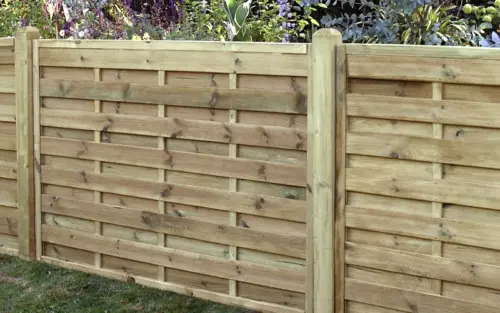
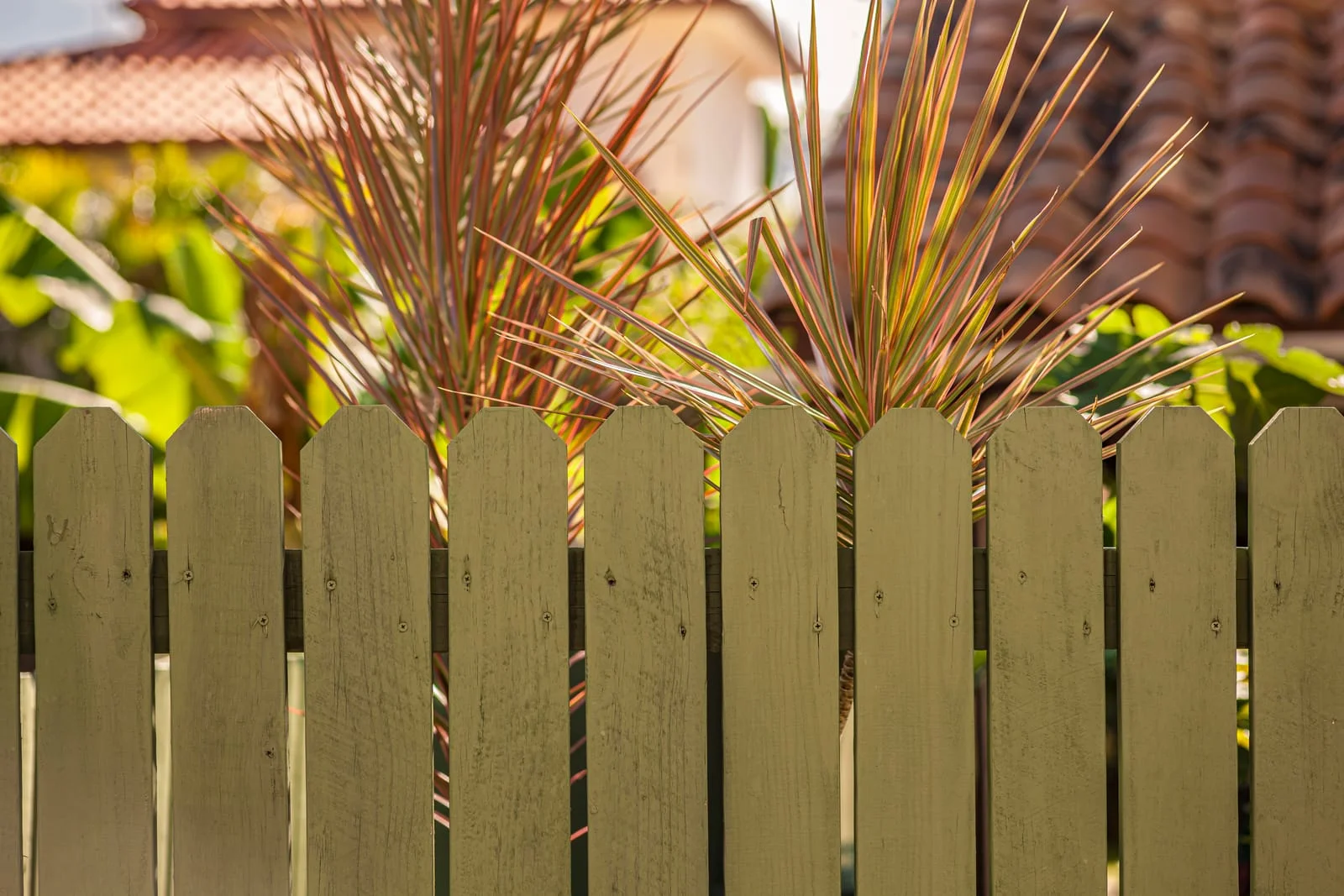
- Types you’ll encounter: Closeboard (also known as featherboard) and lap panels are the common workhorses of traditional fencing. Closeboard panels consist of vertical boards that butt up against each other, creating a continuous privacy screen. Lap panels are horizontal panels that overlap each other, offering a sturdy, watertight feel.
- Why choose traditional panels: If your priority is a strong, private boundary that requires minimal maintenance and looks appropriate in any setting, a traditional panel is probably your best choice. They tend to be more affordable than highly decorative options and provide reliable security and wind resistance.
- Practical considerations: Traditional panels generally offer excellent wind resistance and privacy. They’re less likely to warp in damp weather and are straightforward to install and replace. For many homeowners, traditional fencing blends seamlessly into the landscape and doesn’t draw excessive attention to itself.
- Maintenance and longevity: With proper installation, traditional panels can last many years. Occasional painting or staining and bound-down hardware checks are usually sufficient to keep them looking and performing well.
Decorative Panels – Light, Light-Play, and Garden Drama
Decorative fence panels are designed to be noticed. They’re the style-forward option that can introduce character, light, and a sense of space to your garden.
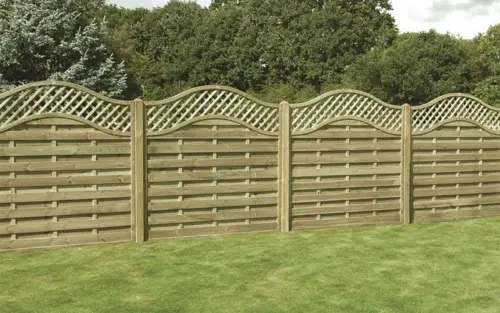
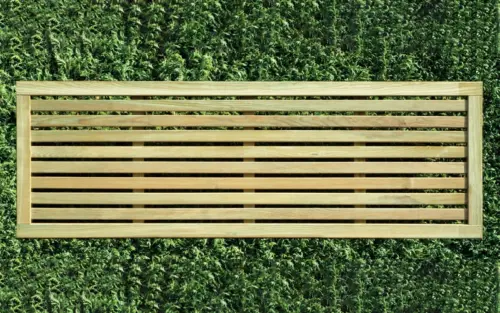
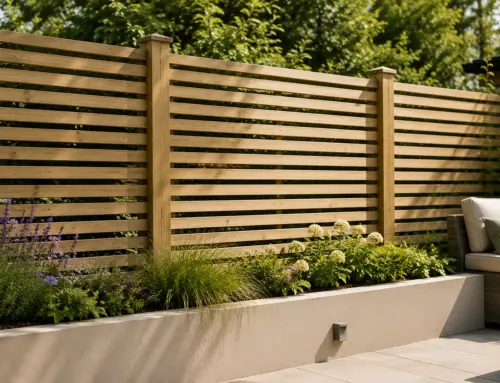
- Design features: Decorative panels may include lattice sections, cut-out patterns, or contemporary horizontal bar designs. These elements can soften the boundary line, add visual interest, and draw the eye along the garden.
- Why choose decorative panels: Decorative panels are often used as feature panels within a run of traditional fencing to add visual interest, or as standalone sections to create a garden “room” effect. They can let more light through, which can make a small garden feel less enclosed and more expansive.
- Practical considerations: Because decorative panels can be more open, wind resistance is typically reduced compared with solid panels. This can be advantageous in very exposed sites, where a solid fence might act like a sail and put extra pressure on posts. If privacy is a priority, you’ll want to choose designs that balance light with screening.
- Styling ideas: Use decorative panels at the garden entrance as a welcoming focal point, or pair them with traditional panels to create a layered look. Trellis tops or statement decorative panels can define transitions between spaces while maintaining a feeling of openness.
Mixing Styles – The Best of Both Worlds
There’s no rule that says you must choose one style exclusively. Mixing traditional and decorative panels can yield a design that respects privacy and security while adding personality and light.
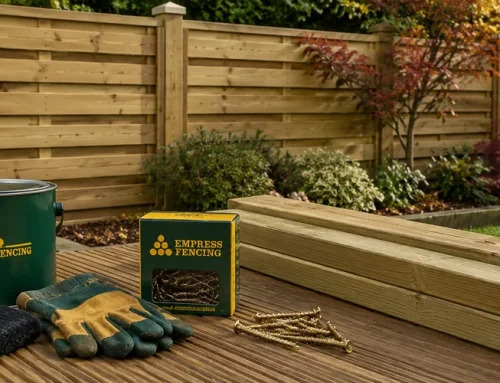
- A popular approach: Use traditional closeboard panels for the main boundary (privacy and security) with a decorative trellis top or a statement panel at the garden entrance. This approach provides the best of both worlds: solid privacy where you need it and decorative interest where you want it.
- Zoning and flow: Consider how the fence guides movement and defines spaces in your garden. Decorative panels can mark transitions between zones, such as from a dining area to a patio, without completely blocking light or sightlines.
- Maintenance balance: A mixed approach can help distribute maintenance needs. Traditional panels handle the heavy lifting for privacy and durability, while decorative panels or trellis elements can be lighter and easier to manage.
Practical Considerations and Installation Tips
- Wind and post strength: If your garden is exposed, heavier traditional panels provide stability. Ensure posts are set deep enough and braced properly to withstand wind load. If you opt for decorative panels in exposed areas, pair them with sturdy posts or incorporate a weathered cap to reduce wear.
- Light and space: Consider how much light you want to pass through the fence. Decorative panels with lattice or cut-outs can brighten small spaces and create a more open feel, while traditional panels maximise seclusion.
- Colour and maintenance: Both panel types come in a range of finishes. Dark-stained or painted traditional panels can look classic and durable, while lighter or natural finishes on decorative panels can highlight patterns and lattices.
- Accessibility and installation: If you’re DIY-ing the install, traditional panels are often simpler to set up due to their uniform structure. Decorative panels may require more precise alignment, especially with lattice elements.
Where to Browse and What to Ask
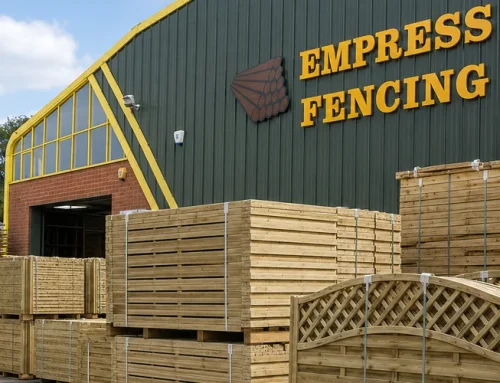
If you’re shopping in the UK, Empress Fencing offers a range of both traditional and decorative panels. Visit empressfencing.co.uk to browse our collection, or stop by our showroom in Clitheroe to see samples up close. When you’re choosing, consider the keywords Decorative vs Traditional Fence Panels – Which Is Right for You? as a quick guide to frame your questions and expectations.
Ultimately, the decision between decorative vs traditional fence panels depends on your priorities: privacy and durability vs light, style, and visual interest. Traditional panels deliver solid privacy, weather resistance, and budget-friendly longevity, making them reliable for most gardens. Decorative panels add personality, light, and edge, ideal for feature spots or smaller spaces where you want to create a sense of enclosure without feeling boxed in.
Remember, you don’t have to go all-in on one style. A smart blend, traditional panels for the core boundary with decorative panels at gates or fence accents, can give you both security and curb appeal. Whether you’re aiming for a classic, timeless look or a modern, light-filled boundary, there’s a solution that fits. Explore Empress Fencing range, weigh your priorities, and you’ll be well on your way to a fence that complements your garden and your home. Please check out our 6ft fence panels, decorative fence panels, decorative garden gates and fence posts range for more information.