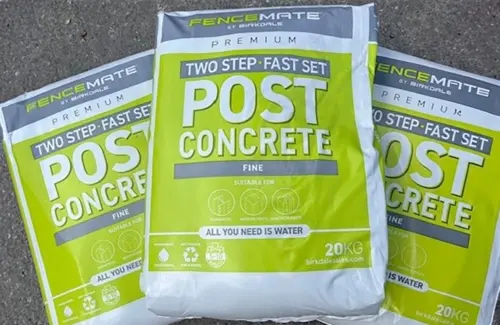

Postcrete is the product that turns a fence run from a two-day job into a one-day job, and the question we are asked more than any other about it is simply how many bags to order. Under-order and you are back out for more halfway through a run with holes open and posts propped. Over-order and you have bags going hard in a shed over winter. Neither is a disaster, but both are avoidable with five minutes of arithmetic before the order goes in. We supply it alongside posts and panels as part of our fencing and timber supplies in Clitheroe, and the calculation is more straightforward than most people expect once you know which measurement actually drives it.
What it is and why fencers reach for it
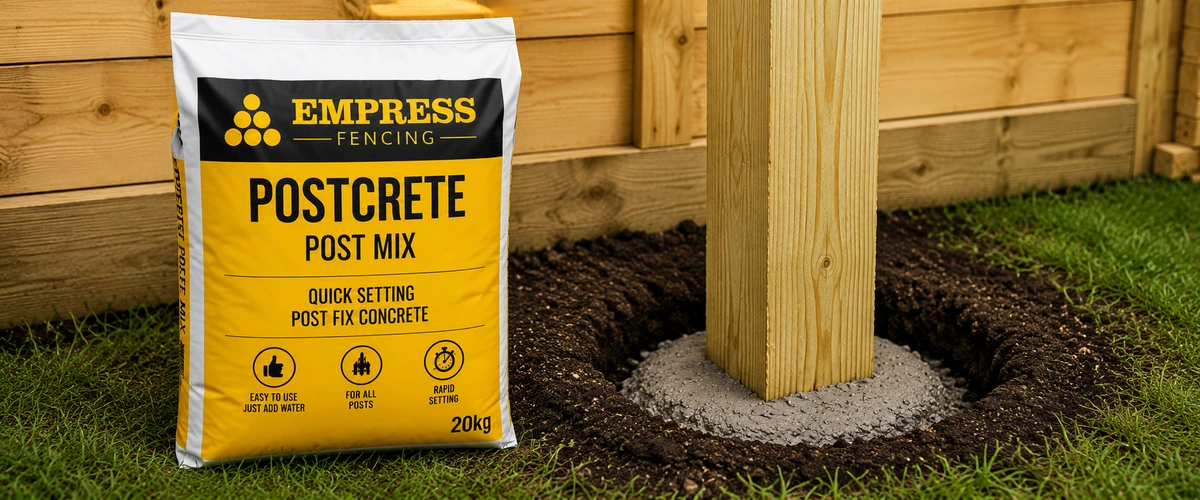
It is a pre-blended dry mix of cement and aggregate designed to be poured into a hole dry, with water added after, rather than mixed in a barrow and shovelled in wet. It goes off in minutes rather than hours, which is the entire point. A post set with it is firm enough to hang a panel from the same day rather than the following one, and there is no mixing, no barrow to clean and no leftover wet mix going hard while you work.
The trade-off is that it is unforgiving. Once water is in, you have a very short window to plumb the post and adjust it. That means every post wants to be plumbed, propped and braced before any water goes anywhere near the hole, not after. Get the sequence wrong on a warm day and the post sets a degree out, and the only fix is to dig it out.
Hole size drives the quantity, not post size
This is the part that catches people out. The volume you need is the volume of the hole minus the volume of the post sitting in it. Post size affects that, but far less than hole diameter does, because volume goes up with the square of the width. Digging a hole twice as wide does not double the quantity needed, it roughly quadruples it. A narrow, neat hole dug with a proper post-hole spade or an auger uses a fraction of what a wide hole opened up with a spade will swallow.
For a standard domestic fence post set to the usual depth in a hole dug tight to the post, one bag per post is the working assumption most people plan around. Where the ground is loose, stony or has been dug before, the hole tends to open up as you work and the quantity climbs. If you are working in made ground or old garden soil rather than firm clay, budget generously.
Gate posts and corner posts need more
A run post carries a panel on each side and the loads largely balance. A gate post carries the whole weight of a gate on one side, plus the shock of it being swung and slammed several times a day for twenty years. A corner or end post has a panel pulling it in one direction with nothing opposing it. All three want a deeper and wider hole than a mid-run post, and all three therefore want more mix. Plan on noticeably more per post for gate and corner positions, and treat that as the minimum rather than the target.
The same applies to any post carrying something with wind load on it, which in practice means a post at the end of an exposed run. On the higher ground around Pendle and out towards the moor edge, that is most boundaries, and it is worth a bag extra rather than finding out in the first autumn gale.
Working in summer heat and dry ground
August brings two specific problems. The first is that dry, hard ground is harder to dig neatly, which tempts people into wider holes than they need and pushes the quantity up. Watering the line the evening before makes the digging considerably easier and keeps the holes tight.
The second is that heat shortens the working time. The reaction is faster on a hot afternoon than on a cold morning, so the window between adding water and the mix becoming unworkable narrows. Work in smaller batches, set fewer posts at a time, and have everything plumbed and braced before you start pouring. Working in the shade or early in the day is not fussiness on a genuinely hot week.
Ordering alongside posts and panels
The sensible approach is to work out the post count for the run, add the extra for gate and corner positions, and put the whole lot on one order with the timber. It is heavy, so it is not something you want to be collecting in a car boot two bags at a time. Customers running new boundaries around Blackburn fencing and across towards Rishton fencing generally take posts, panels, fixings and mix in a single delivery.
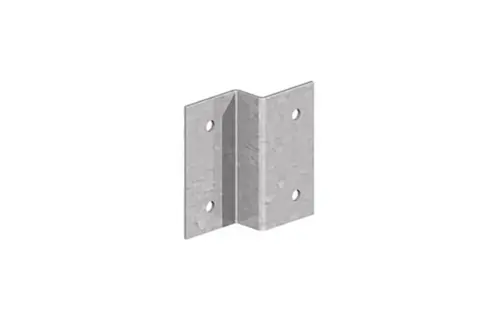
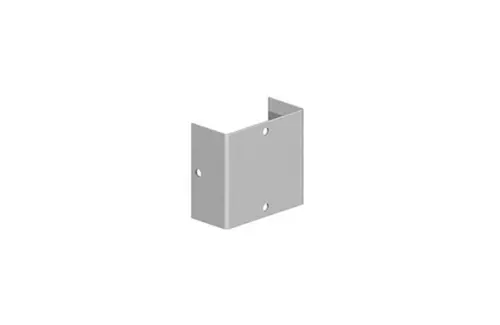
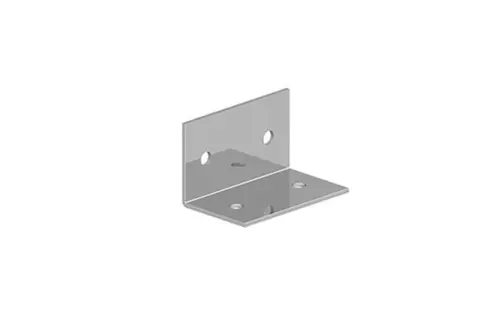
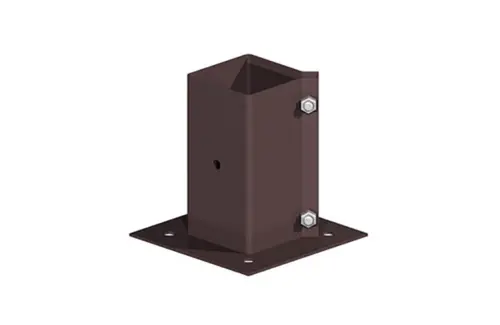
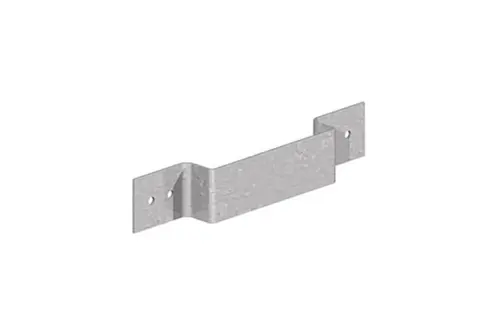
Our fence posts range covers the standard sizes, the timber posts section carries the rough sawn and planed options, and it sits in the fixings and accessories range with the brackets, clips and supports.
If you are unsure how many bags a particular run needs, ring 01200 449930 with the post count and the hole size you are planning and we will talk it through. Delivery is free on orders over £150 across all BB postcode areas, which most full fence runs comfortably exceed once posts and panels are on the same order.