
Planed vs rough sawn timber is a choice that comes up on almost every garden project. Both can be the same species and the same treatment, yet they look, feel and behave quite differently. As a supplier of fencing and timber supplies in Clitheroe, we stock both finishes in a wide range of sizes. This guide explains where each one works best.
What the Two Finishes Actually Mean
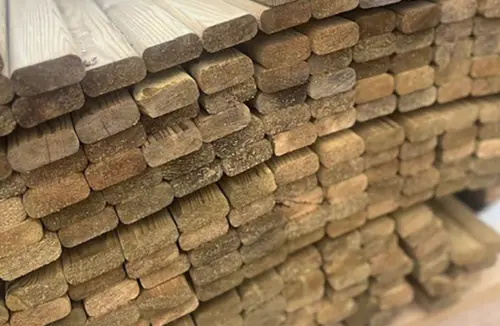
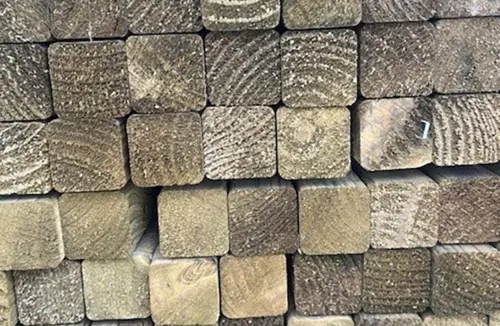
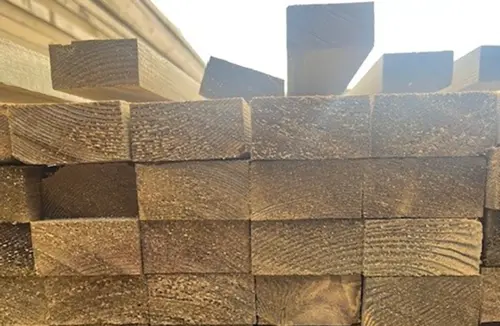
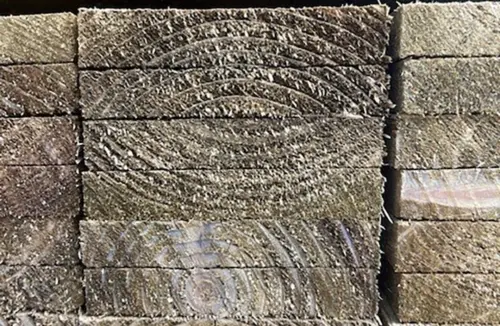
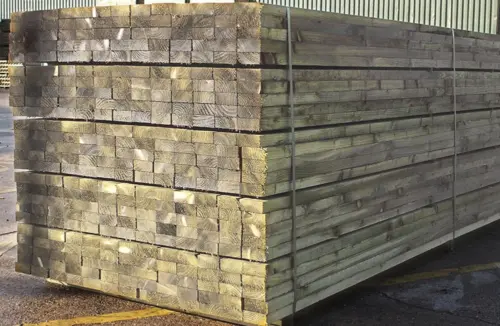
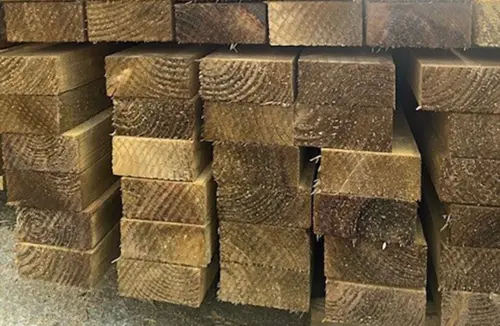
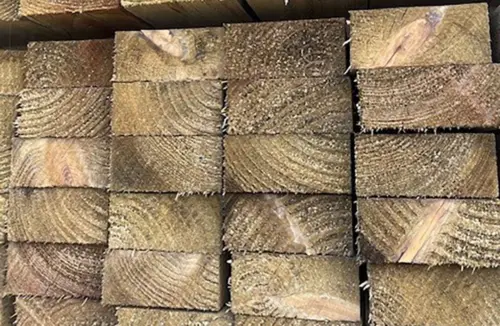
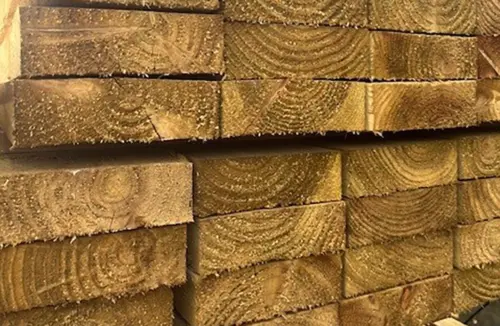
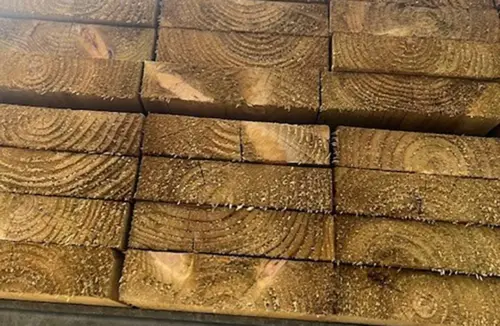
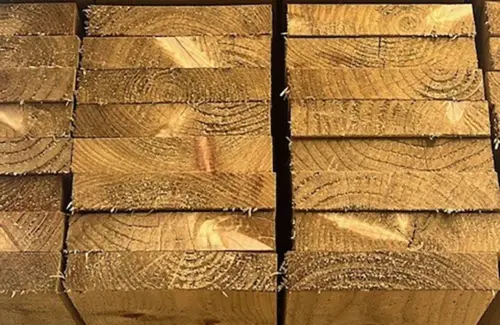
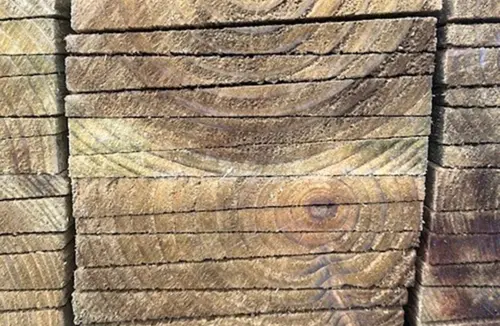
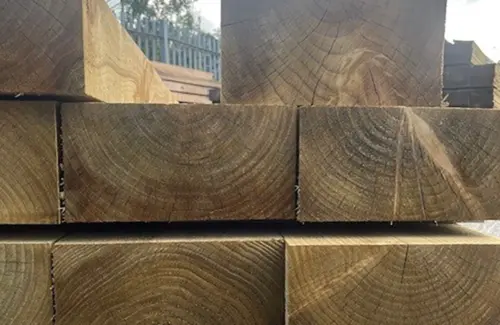
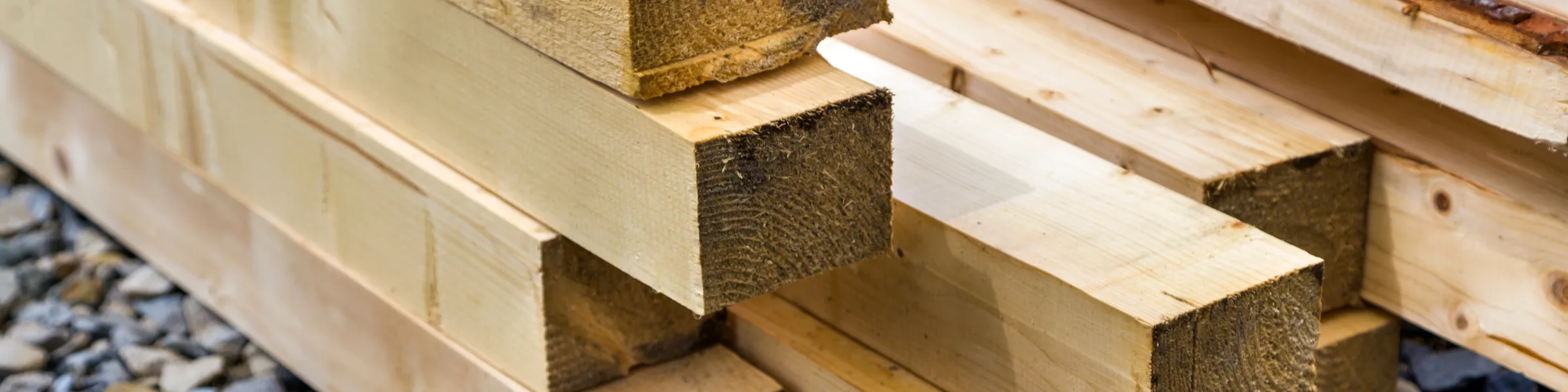
Rough sawn timber comes straight from the saw. The surface is textured, with visible saw marks and slightly fuzzy fibres. Sizes are nominal, so a piece may vary by a millimetre or two.
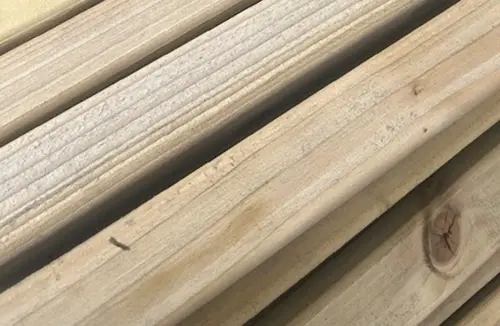
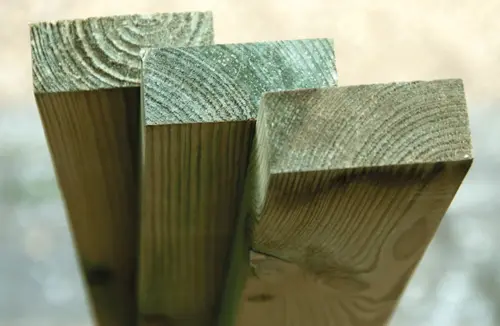
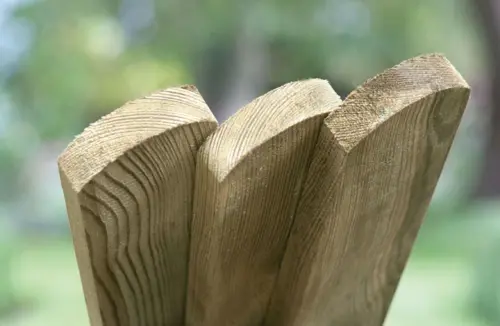
Planed timber has been passed through a planer after sawing. As a result, the faces are smooth and the sizes are more consistent. Some planed timber also has rounded or eased corners for comfort and looks.
Where Rough Sawn Timber Earns Its Place
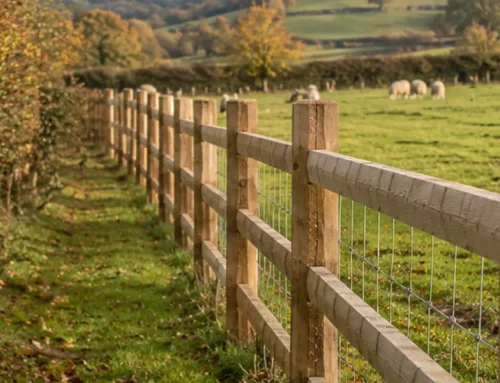
Rough sawn timber is the workhorse of fencing. Posts, rails and boards rarely need a smooth finish. They need to be strong, treated and good value.
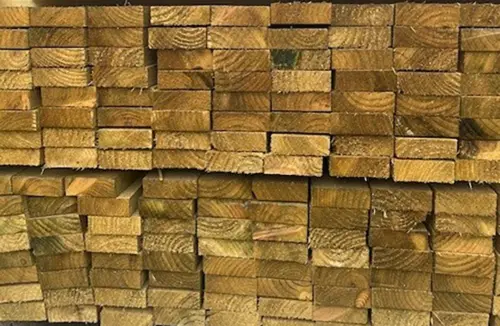
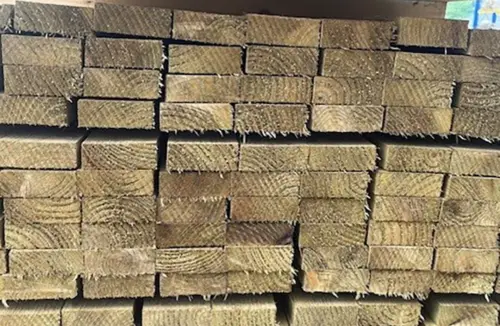
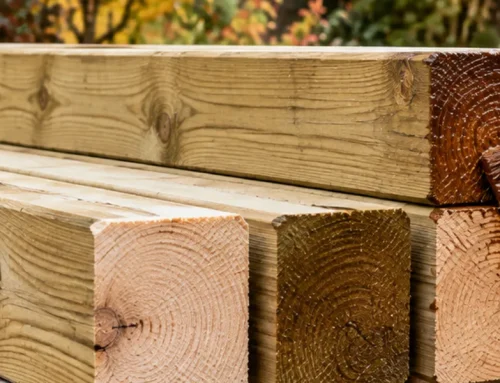
For example, our 75mm x 75mm and 100mm x 100mm posts are rough sawn. Rails come in 25mm, 32mm and 38mm thicknesses, plus heavier sections. The rough sawn board measures 100mm x 16mm in 1.2m, 1.5m and 1.8m lengths.
Rough sawn timber is generally the cheaper option too. You are not paying for the extra machining. Consequently, it makes sense for long boundary runs where nobody will touch the surface.
Why Rough Surfaces Hold Treatment Well
The textured face of rough sawn timber soaks up stain and preservative readily. Fibres open slightly and give the treatment more to grip. So a coat goes further into the wood.
This matters on exposed sites. A fence below Pendle Hill takes a beating from wind and rain. A rough face that holds its treatment helps the timber cope. For more on this, see why pressure-treated timber lasts longer.
Where Planed Timber Is the Better Choice
Planed timber suits anything you see up close or touch often. Garden screens, planters, benches and decking frames all benefit. Smooth faces are kinder on hands and clothes.
Our planed timber with eased corners comes in 3.6m and 4.8m lengths. The rounded corners reduce splinters and give a neater line. Meanwhile, the 90 x 90mm smooth planed post suits visible corners and gate frames.
For slatted screens, the slatted batten measures 3.6m x 45 x 20mm with rounded edges. It gives the clean, contemporary look many people want around patios.
Semi Planed and In-Between Options
Some projects fall between the two sides of the planed vs rough sawn timber choice. The semi planed batten measures 3.6m x 50 x 25mm. It is smoother than rough sawn but not fully finished.
Similarly, the planed back rail is 1.83m x 70 x 30mm. It suits fences where the rails will be seen from the garden side. Therefore, you can mix finishes on one project to balance cost and appearance.
Planed vs Rough Sawn Timber for Painting and Staining
If you plan to paint, planed timber gives a smoother, more even finish. Paint sits on the surface and shows less texture. That suits painted planters, benches and decorative screens.
For stains and preservatives, rough sawn timber often looks better. The texture hides minor marks and weathering. Moreover, it soaks up colour more evenly on large areas like fence boards.
Whichever side of planed vs rough sawn timber you choose, treat any cut ends before fitting. Cut ends expose untreated wood at the centre. A brush-on end grain treatment helps protect them.
Planed vs Rough Sawn Timber for Common Garden Projects
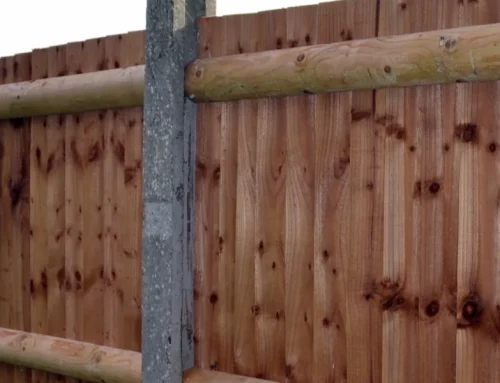
For a closeboard fence, use rough sawn posts, rails and feather edge board. The boards are 125mm wide and 22mm thick. Nobody needs a planed face on a boundary fence.
For a patio screen or a raised bed beside a seating area, use planed timber. You will brush against it and see it every day. In between, a decking frame hidden under boards can be rough sawn, while visible fascias are better planed.
You can browse the full range in our timber section.
Local Supply Around Whalley and Clitheroe
We deliver timber regularly to customers looking for Whalley fencing and Clitheroe fencing. Long lengths of 3.6m and 4.8m travel on our pickup or open-back transit. However, our drivers cannot carry timber through houses or over walls.
So check your access before ordering long lengths. A side gate or a clear drive makes delivery simple. Add any notes in the comments box when you order.
Checking Sizes Before You Buy
Rough sawn sizes are nominal, so allow for small variations. That rarely matters on a fence. However, it does matter where pieces must sit flush, such as a frame or a bench seat.
Planed timber is more consistent, so it suits joinery-style jobs. Even so, measure each piece before cutting. Timber can move slightly as it adjusts to outdoor conditions.
Write a cutting list before ordering. Note each length, section and choice of planed vs rough sawn timber against the job it is for.
Buying for Trade and Larger Jobs
Landscapers and builders rarely face a planed vs rough sawn timber choice, since they often need both finishes on one job. For instance, a garden makeover might use rough sawn posts for the boundary and planed battens for a screen. Ordering them together keeps delivery simple.
Our wholesale page explains how trade customers can order. Plan quantities carefully and allow a little extra for cuts. Long 4.8m lengths reduce joins on large runs. Meanwhile, shorter lengths are easier to handle on tight sites. Narrow terraced streets in East Lancashire towns often favour shorter pieces for that reason.
If you are weighing up planed vs rough sawn timber for your project, call us on 01200 449930. We offer free delivery on orders over £150 across all BB postcode areas, and you can also collect from our Clitheroe yard.